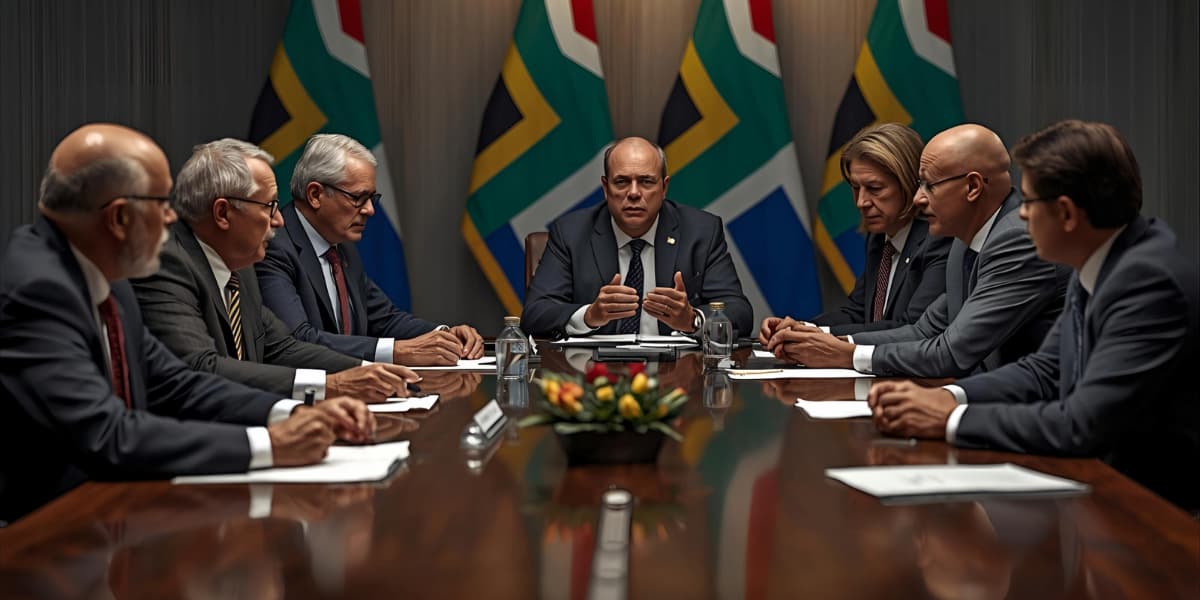
South Africa politics: 5 Shocking Facts That Expose the Ugly Truth
South Africa politics has entered a new era defined by fragile coalitions, shifting alliances, and endless rhetorical battles. In a country where no single party can easily dominate, the language of persuasion and the machinery of negotiation have become the real battlefield. To understand how power is shaped in today’s South Africa, we need to explore the hidden strategies behind coalition politics and what they mean for ordinary citizens.
South Africa politics and the Rise of Fragile Alliances
Coalitions in South Africa are not built on solid ground but on fragile bargains. Political parties promise stability, yet behind closed doors, leaders wrestle for influence. These alliances often collapse when ambitions clash, leaving municipalities or even provinces paralyzed. The irony is clear: the very tool meant to unite a divided political landscape often becomes a trigger for deeper instability. This instability feeds public frustration, making voters question whether their leaders are capable of putting the nation first.
How Rhetoric Shapes Power in South Africa politics
Words have become weapons in South Africa politics. Leaders use fiery speeches, bold promises, and symbolic gestures to frame themselves as protectors of democracy or defenders of the poor. The truth, however, is more complex. Much of this rhetoric is designed not to solve problems but to claim legitimacy in fragile coalitions. A party that lacks numbers can still dominate the narrative by skillfully manipulating public opinion, creating an illusion of strength while masking internal weaknesses.
The Hidden Costs of Coalition Negotiations
Behind every coalition agreement lies a price. Smaller parties often demand key positions in return for their support, while bigger players trade policy compromises for political survival. This bargaining has real consequences: service delivery slows down, accountability becomes blurred, and corruption finds fertile ground. For ordinary citizens, the cost is high electricity shortages, poor infrastructure, and declining trust in government. Coalition politics, instead of solving the nation’s challenges, often deepens them under the weight of hidden deals.
Media Narratives and Their Influence
The media plays a powerful role in shaping coalition politics in South Africa. Headlines amplify disputes, interviews magnify conflicts, and commentary often frames coalitions as fragile experiments on the verge of collapse. While some reporting provides valuable insights, sensationalism frequently overshadows balanced analysis. This constant drumbeat of instability reinforces the perception that coalitions cannot work, fueling public cynicism and weakening democratic trust. For a deeper look into political transitions, Brookings Institution offers comprehensive analysis that connects South Africa’s struggles to broader global patterns.
South Africa politics and the Battle for Local Power
Coalitions at the municipal level reveal the rawest form of political bargaining. Local councils become arenas where power is constantly traded, and service delivery often becomes hostage to political rivalries. The competition is not only about governance but also about access to resources, contracts, and influence over communities. In cities like Johannesburg or Tshwane, fragile coalitions have repeatedly collapsed, disrupting governance and leaving citizens disillusioned with politics. This local turbulence mirrors national-level struggles and highlights how fragile the entire system has become.
Public Trust on the Brink
One of the greatest casualties of coalition politics in South Africa is public trust. When promises are broken, when leaders switch allegiances overnight, and when basic services collapse, citizens lose faith in the political system. This erosion of trust does not only harm current governance, it threatens the very foundation of democracy. A democracy without trust is vulnerable to populism, authoritarian tendencies, and widespread disengagement from the political process. Restoring confidence will require more than words; it demands genuine accountability and visionary leadership.
Negotiation Strategies That Decide Outcomes
Negotiation is at the heart of coalition politics in South Africa. Parties constantly maneuver to maximize influence while avoiding alienating allies. Strategic compromises, side deals, and timing all play a role in determining outcomes. Understanding these tactics is crucial for anyone studying South Africa politics, as they reveal the often unseen mechanisms of power. For an in-depth discussion on negotiation dynamics within local politics, see our detailed analysis here .
The Role of Opposition in Coalition Stability
Opposition parties are not merely critics; they actively shape coalition outcomes. By exploiting divisions, questioning legitimacy, and rallying public sentiment, they can destabilize governments even without holding power. This strategic role forces coalition partners to constantly adapt, reshaping policy decisions and influencing leadership appointments. In South Africa politics, the opposition is both a watchdog and a tactical player, creating a dynamic that keeps coalitions on edge.
Looking Ahead: Can Coalitions Deliver?
The future of South Africa politics depends on whether coalitions can mature beyond short-term bargains. Citizens are demanding more than speeches, they want tangible results. Successful coalitions will need transparency, accountability, and innovative governance strategies that put public welfare above political survival. While the path is challenging, the potential rewards are significant: stable governance, restored trust, and a political culture capable of delivering on promises. The next decade could redefine coalition politics and set new standards for democratic cooperation.
Conclusion: The Real Lessons from South Africa politics
South Africa politics shows us that coalition governance is both a challenge and an opportunity. Fragile alliances, rhetorical battles, and strategic negotiations dominate the landscape, but they also reveal the resilience and creativity of political actors. Citizens are watching closely, demanding accountability and results. The ultimate lesson is clear: coalitions can succeed, but only if parties prioritize the public good over personal gain. By understanding the machinery behind these alliances, voters and analysts alike can navigate the complexities of South Africa politics and contribute to a more stable and effective democracy.