Introduction
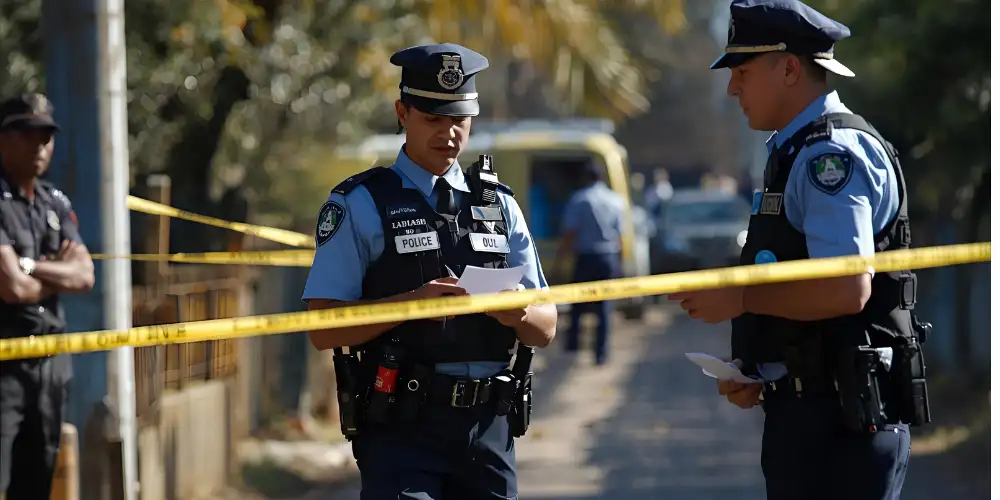
The South African Police Service (SAPS) faces one of the most critical periods in its history. With systemic issues of corruption, political interference, and inadequate resources, the need for immediate and decisive action has never been greater. National Police Commissioner Fannie Masemola has emphasized that Police Must Act now to address pending investigations and restore public trust, despite opposition from Acting Police Minister Firoz Cachalia. This article explores the current state of SAPS, the challenges faced by its leadership, and the necessary reforms to ensure justice is served effectively across South Africa.
Historical Context of SAPS
The South African Police Service has a long and complex history, evolving from the apartheid-era police system into a democratic institution tasked with protecting all citizens. Throughout the years, SAPS has undergone several reforms, but challenges have persisted, particularly in addressing corruption and ensuring accountability. According to Human Rights Watch, historical policing methods left structural gaps that still affect operational efficiency today, underscoring why Police Must Act immediately to implement reforms.
Current Leadership Challenges
Commissioner Masemola has taken bold steps to reassert operational authority, including the controversial decision to return 121 politically sensitive murder cases in KwaZulu-Natal to investigation teams. Acting Minister Cachalia criticized this decision as premature, suggesting that it should await the recommendations of the pending Madlanga Commission. However, constitutional provisions clearly delineate that while the minister sets policy, operational matters fall under the commissioner’s jurisdiction. As Amnesty International notes, political interference can undermine police effectiveness, which is why Police Must Act independently of such pressures. (Amnesty International)
High-Profile Cases and Investigations
The handling of politically motivated killings in KwaZulu-Natal has drawn national and international attention. The 121 cases, involving high-profile political figures, have faced delays due to bureaucratic and political interference. Commissioner Masemola insists that Police Must Act to pursue justice for victims and prevent further erosion of public trust. A recent UNODC report emphasizes that timely and transparent investigation is crucial to restoring public confidence in law enforcement.
Systemic Issues in SAPS
SAPS faces multiple systemic challenges: corruption within the ranks, limited personnel and resources, outdated technology, and insufficient training programs. These issues have led to a backlog of unresolved cases and low conviction rates. Human Rights Watch reports that countries that address these structural issues see improved crime response rates, highlighting why Police Must Act decisively to tackle internal inefficiencies. (HRW report)
Proposed Reforms and Policies
The proposed reforms aim to address both structural and operational deficiencies within SAPS. Key measures include restructuring investigative teams, enhancing forensic capabilities, implementing stricter internal oversight, and improving officer training. Masemola’s vision stresses that Police Must Act not only reactively but also proactively to prevent crime and uphold citizens’ rights. The adoption of international best practices, as outlined in the UNODC guidelines, is integral to these reforms. (UNODC)
Public Opinion and Civil Society
Public sentiment is divided regarding the ongoing reforms. Citizens affected by crime and political violence demand swift action, while advocacy groups urge transparency and adherence to constitutional mandates. Amnesty International has repeatedly called for immediate reforms, asserting that Police Must Act to restore public confidence. Community engagement programs are being introduced to rebuild trust between police officers and the public, emphasizing accountability and service. (Amnesty International)
Political Influence and Independence
One of the most critical issues facing SAPS is political interference in operational matters. While the minister sets policy and direction, the commissioner is constitutionally empowered to manage day-to-day operations. Delays and disputes over investigations threaten justice. Commissioner Masemola has highlighted that for law enforcement to function properly, Police Must Act independently, free from political pressure, ensuring investigations are thorough, impartial, and timely.
International Observations
International organizations closely monitor developments within SAPS. Human Rights Watch and Amnesty International have raised concerns about delayed investigations and politicized interference. Comparisons with other nations demonstrate that police independence correlates strongly with public safety and crime reduction. In line with international standards, it is imperative that Police Must Act decisively, maintaining transparency, accountability, and professional integrity. [Link to UNODC report on law enforcement reforms](https://www.unodc.org/) provides further insights into global best practices.
Future Outlook and Recommendations
The success of SAPS reforms depends on sustained commitment from both leadership and government. Without immediate action, ongoing political disputes and systemic weaknesses could worsen public safety conditions. Recommendations include increased funding for police training, digitalization of case management, independent oversight committees, and continuous community engagement. Commissioner Masemola insists that Police Must Act now, emphasizing that delayed justice undermines the rule of law and public confidence in policing institutions.
Conclusion
South Africa stands at a critical crossroads in law enforcement. The recent decisions by Commissioner Masemola, despite political resistance, underline the necessity for urgent reform. The principle is clear: Police Must Act promptly, transparently, and independently to address backlogged cases, combat corruption, and restore public trust. Continued vigilance, combined with structural reforms and international best practices, can ensure a stronger, fairer police service.
For more news, click here.