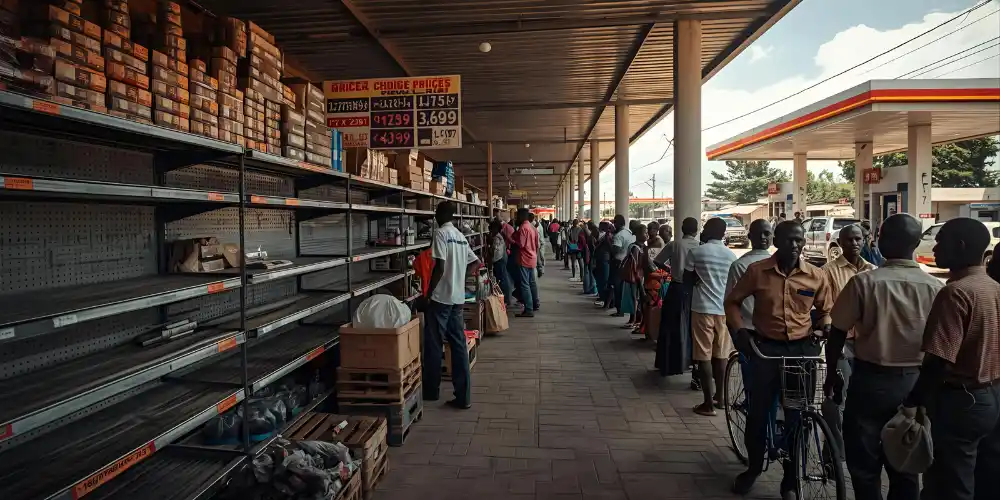
As Malawi approaches its 2025 national elections, the economic situation remains a pressing concern for citizens. With inflation rates rising and essential commodities becoming increasingly unaffordable, the spotlight is on the growing rising costs affecting daily life. This has turned economic hardship into a central theme of political discourse as voters seek change and stability.
Economic Overview of Malawi
Malawi has long struggled with economic instability. According to the International Monetary Fund, inflation has consistently remained above 20% over the past three years. The rising costs of basic necessities such as food, fuel, and healthcare have placed immense pressure on households, especially among low- and middle-income families. These economic pressures are shaping voter priorities and influencing political debates across the country.
Impact of Inflation on Citizens
Inflation has a direct effect on the cost of living. Malawians are now spending more on essentials than ever before, and the rising costs have forced families to make difficult choices. Reports indicate that the average household spends up to 60% of its monthly income on food alone. This financial strain has heightened public frustration with the government, as many citizens feel that economic policies have failed to protect them from soaring prices.
Employment Challenges and Youth Unemployment
Unemployment remains a critical concern, particularly among the youth. With limited job opportunities and a competitive labor market, the rising costs of living exacerbate existing challenges. Young people face difficulties securing stable employment, while those already employed are struggling to maintain a decent standard of living. This has led to increased social tension, with many citizens demanding reforms that can stimulate job creation and reduce poverty levels.
Strategies for Job Creation
Political candidates are proposing various initiatives to tackle unemployment, including investment in agriculture, small businesses, and vocational training programs. While these plans aim to reduce the impact of rising costs and improve economic conditions, voters remain skeptical, emphasizing the need for transparent implementation and effective oversight to ensure tangible results.
Fuel Shortages and Transportation Costs
Another significant contributor to the rising costs is the shortage of fuel and the subsequent increase in transportation expenses. Long queues at petrol stations are common, and public transport fares have surged, making commuting increasingly difficult for the average citizen. These issues further highlight the economic vulnerabilities and underscore the importance of sound policy measures to stabilize essential services.
Escalating Market Prices
Market prices for staples such as maize, rice, and cooking oil have skyrocketed due to inflation and supply chain disruptions. Vendors report that they are forced to increase prices frequently to cover operational costs. This cycle of price hikes contributes directly to the perception of rising costs and fuels public dissatisfaction ahead of the elections.
Candidates’ Economic Plans
During election campaigns, candidates have highlighted their economic agendas as a key differentiator. Promises include subsidies for essential goods, expansion of social welfare programs, and investment in infrastructure to reduce production costs. Addressing the rising costs effectively will likely determine voter support, as citizens are prioritizing immediate relief over long-term projects.
Challenges in Policy Implementation
While proposals are abundant, implementation remains a significant challenge. Government bureaucracy, funding limitations, and corruption risks have historically hindered effective economic reform. Citizens are increasingly vocal about their demand for accountability and measurable outcomes to ensure that efforts to curb rising costs have a real impact on their daily lives.
Social Implications of Rising Costs
The rising costs extend beyond economics, affecting education, healthcare, and social cohesion. Families often reduce expenditures on children’s education and healthcare, leading to long-term societal consequences. Community organizations and NGOs are working to provide support, but the scale of the problem requires systemic governmental intervention.
Long-Term Solutions
Experts recommend diversifying the economy, improving agricultural productivity, and strengthening social safety nets to mitigate the effects of rising costs. International cooperation and targeted investment in sustainable development are also seen as vital to stabilizing Malawi’s economy over the next decade.
Conclusion
Malawi’s 2025 elections occur in a context of economic uncertainty and social strain. The electorate’s focus on rising costs underscores a demand for effective leadership that can alleviate financial pressures, reduce unemployment, and restore confidence in public institutions. How elected leaders address these challenges will shape the nation’s future prosperity.
For more news and updates on Malawi’s elections and economic developments, click here.