Introduction
The summer months of 2025 have revealed significant shifts in the U.S. labor market. Recent data indicates that summer employment growth has slowed considerably, raising concerns among economists and investors alike. This article explores the underlying causes, sector-specific trends, the Federal Reserve’s potential policy responses, and the broader implications for the economy. By analyzing multiple reports and expert insights, we aim to provide a comprehensive overview of the current labor market situation in the United States.
Overview of U.S. Summer Employment Trends
According to the Bureau of Labor Statistics, the U.S. economy added just 22,000 jobs in August 2025, marking a stark decline from previous months. The unemployment rate rose to 4.3%, the highest it has been in nearly four years. Analysts note that the decline in summer employment is concentrated in manufacturing, construction, and wholesale trade, sectors highly sensitive to global trade policies. In contrast, healthcare and social assistance continued to show growth, adding a combined 47,000 positions, reflecting the increasing demand for medical and support services. Source
Sector-Specific Employment Analysis
The impact of the summer employment slowdown is uneven across sectors. Manufacturing lost 12,000 jobs, while construction shed 7,000. Retail experienced a minor decline, with 5,000 fewer positions compared to the previous month. Conversely, healthcare added 30,000 jobs and social assistance 17,000 jobs. Experts highlight that these trends indicate a shift in labor demand from traditional industries to service-based sectors. Long-term projections suggest that this pattern may persist, with significant implications for policy makers and businesses. Source
Comparing Summer Employment with Previous Years
Historically, summer months have shown robust job growth, particularly in retail, hospitality, and tourism. Comparing the 2025 data with the past five years reveals a marked slowdown. For example, in 2020, the same period added over 120,000 jobs. In 2021 and 2022, gains ranged from 90,000 to 110,000, indicating steady growth. The 2025 numbers, by contrast, suggest a deceleration in summer employment that could signal broader economic weaknesses.
Economic Implications of Weak Summer Employment
Declines in summer employment have several consequences for the broader economy. Reduced job growth affects consumer spending, which constitutes a significant portion of U.S. GDP. Lower employment in manufacturing and trade can dampen production and inventory levels, while growth in healthcare and services may not fully compensate for the decline in other sectors. This uneven distribution of job gains and losses can influence inflation trends, consumer confidence, and investment decisions, prompting the Federal Reserve to carefully assess its policy options.
Federal Reserve Policy Considerations
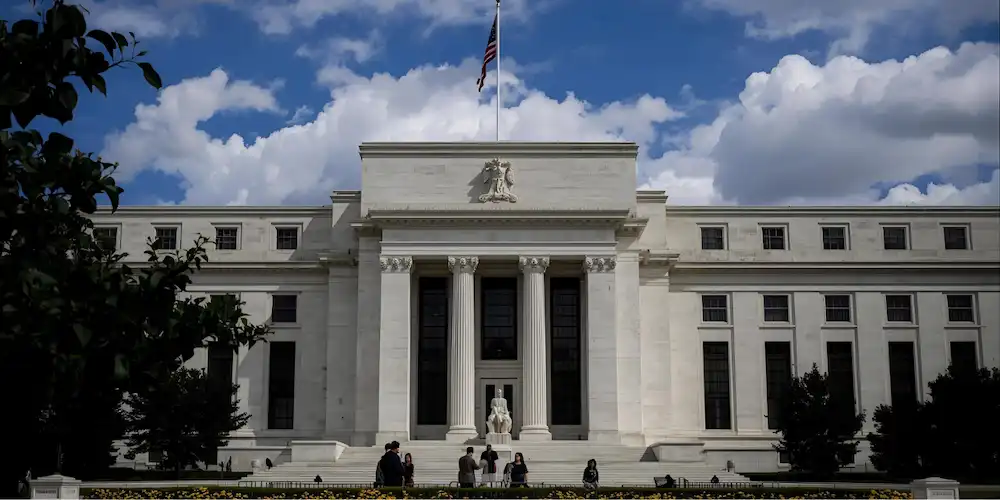
The Federal Reserve closely monitors employment trends as part of its dual mandate of maximizing employment and stabilizing prices. With summer employment growth weaker than expected, the Fed may consider adjusting interest rates to support the economy. Some economists anticipate a 50 basis point rate cut, while others warn of inflationary risks. The central bank’s decisions in the coming months will be critical in determining whether the labor market rebounds or experiences prolonged weakness. Source
Financial Market Reactions
Markets have responded swiftly to the employment data. Treasury yields have fallen, while equities exhibit volatility due to uncertainty over future monetary policy. Investors are particularly concerned about how sustained weakness in summer employment might affect consumer spending and corporate earnings. Analysts recommend closely monitoring sector-specific performance, especially in industries sensitive to consumer demand and interest rates.
Global Implications
The slowdown in U.S. summer employment has potential ramifications beyond national borders. International markets, heavily influenced by U.S. economic performance, have shown increased volatility. Weakness in American job growth can impact global trade, currency valuations, and investment flows. Emerging economies, dependent on exports to the U.S., may experience slower growth if domestic demand in America remains subdued.
Outlook and Forecasts
Experts project that if the current summer employment trends continue, economic growth could slow in the final quarter of 2025. However, targeted fiscal policies and potential Fed interventions may help stabilize the labor market. Analysts emphasize the importance of monitoring incoming data, including job openings, wage growth, and sector-specific performance, to gauge the likely trajectory of employment and overall economic health.
Conclusion
The 2025 summer employment data highlights both vulnerabilities and resilience within the U.S. labor market. While declines in traditional sectors raise concerns, growth in healthcare and services provides some balance. Policymakers, including the Federal Reserve, must navigate these trends carefully to maintain economic stability. Summer employment remains a key indicator of economic health, and its performance will shape decisions in the months ahead.
For more news and updates , click here.