Cap sur la Mauritanie : analyse d’un marché à fort potentiel
Unlocking Mauritania’s Potential: A Deep Dive into a High-Growth Market
Unlocking Mauritania’s Potential: A Deep Dive into a High-Growth Market

Published: July 21, 2025
Table of Contents
- Context and Regional Challenges
- President Mohamed Ould Ghazouani’s Vision
- Key Institutional and Security Reforms
- Economic Opportunities and Market Potential
- Improving Investment Climate
- Future Outlook and Strategic Implications
- Related Articles
- External References
Context and Regional Challenges
The Sahel region has faced persistent instability and security challenges over the past decade, significantly impacting economic growth and social development. Mauritania, located in the western Sahel, has felt these regional pressures but stands out as a beacon of relative stability. While neighboring countries grapple with insurgencies and political unrest, Mauritania’s government has strategically pursued policies aimed at reinforcing peace and fostering sustainable growth.
This backdrop is crucial for understanding Mauritania’s market dynamics and the strategic importance it holds as an emerging economy within the Sahel.
President Mohamed Ould Ghazouani’s Vision
Since his re-election in 2024, President Mohamed Ould Ghazouani has prioritized stability and openness as pillars of his administration’s strategy to enhance Mauritania’s attractiveness to foreign and domestic investors. His leadership embodies a commitment to reinforcing institutional governance, improving security frameworks, and promoting economic reforms.
President Ghazouani’s vision also includes fostering regional cooperation and integrating Mauritania more closely into international markets, thereby diversifying its economic base beyond traditional sectors.
Key Institutional and Security Reforms
The Mauritanian government has implemented a series of institutional reforms aimed at strengthening the rule of law, enhancing transparency, and streamlining regulatory processes for businesses. On the security front, significant efforts have been made to improve the capacity of national forces to combat terrorism and organized crime, thereby stabilizing the internal environment.
These reforms have had a dual effect: improving public confidence in state institutions and creating a safer environment conducive to investment and economic activity.
Economic Opportunities and Market Potential
Mauritania’s economy is rich in natural resources, including iron ore, gold, copper, and recently discovered offshore oil and gas reserves. The government is actively encouraging the development of these sectors while also focusing on agriculture, fisheries, and renewable energy as pillars of future growth.
The country’s geographic location, bridging North and West Africa, positions it as a strategic hub for trade and logistics, especially with improving infrastructure. This makes Mauritania a high-potential market for investors looking to capitalize on regional integration and growing consumer demand.
Improving Investment Climate
The combination of political stability, reformist governance, and strategic economic initiatives has enhanced Mauritania’s appeal to investors. The government has introduced incentives such as tax breaks, simplified administrative procedures, and protection of property rights.
International organizations, including the World Bank and IMF, have acknowledged the progress made, providing technical and financial support to bolster the investment climate further.
Future Outlook and Strategic Implications
Looking forward, Mauritania aims to maintain its trajectory of stability and economic expansion. Continued reforms, regional partnerships, and infrastructure development will be crucial to unlock the country’s full potential.
For investors, Mauritania offers a unique opportunity to enter an emerging market with a solid foundation and promising growth prospects. Monitoring political developments and engaging with local stakeholders will be essential for maximizing returns and ensuring sustainable investments.
Related Articles
- Security Challenges in the Sahel Region
- African Economic Growth Trends in 2025
- Top Investment Opportunities in Africa
External References
- World Bank – Mauritania Overview
- IMF Country Information – Mauritania
- African Development Bank – Mauritania
- UN Economic Commission for Africa – Mauritania
Unlocking Mauritania’s Potential: A Deep Dive into a High-Growth Market
Unlocking Mauritania’s Potential: A Deep Dive into a High-Growth Market
Published: July 21, 2025
Table of Contents
- Context and Regional Challenges
- President Mohamed Ould Ghazouani’s Vision
- Key Institutional and Security Reforms
- Economic Opportunities and Market Potential
- Improving Investment Climate
- Sustainable Development Initiatives
- Mauritania’s Regional and International Relations
- Future Outlook and Strategic Implications
- Related Articles
- External References
Context and Regional Challenges
The Sahel region has faced persistent instability and security challenges over the past decade, significantly impacting economic growth and social development. Mauritania, located in the western Sahel, has felt these regional pressures but stands out as a beacon of relative stability. While neighboring countries grapple with insurgencies, political unrest, and humanitarian crises, Mauritania’s government has strategically pursued policies aimed at reinforcing peace and fostering sustainable growth.
This backdrop is crucial for understanding Mauritania’s market dynamics and the strategic importance it holds as an emerging economy within the Sahel. Despite its vast desert landscapes, Mauritania boasts significant natural resources and a young, growing population eager for development and innovation.
President Mohamed Ould Ghazouani’s Vision
Since his re-election in 2024, President Mohamed Ould Ghazouani has prioritized stability and openness as pillars of his administration’s strategy to enhance Mauritania’s attractiveness to foreign and domestic investors. His leadership embodies a commitment to reinforcing institutional governance, improving security frameworks, and promoting economic reforms.
President Ghazouani also emphasizes social cohesion, education reform, and poverty reduction, recognizing that long-term stability depends on inclusive growth. His government seeks to balance traditional values with modernization, paving the way for a diversified economy and a stronger role in regional and global affairs.
Key Institutional and Security Reforms
The Mauritanian government has implemented a series of institutional reforms aimed at strengthening the rule of law, enhancing transparency, and streamlining regulatory processes for businesses. Notable initiatives include judicial reforms to reduce corruption and improve contract enforcement, which are critical to gaining investor confidence.
On the security front, significant efforts have been made to improve the capacity of national forces to combat terrorism, human trafficking, and organized crime, thereby stabilizing the internal environment. The government has also increased cooperation with regional security bodies, such as the G5 Sahel Joint Force, to enhance border security and intelligence sharing.
Economic Opportunities and Market Potential
Mauritania’s economy is rich in natural resources, including iron ore, gold, copper, and recently discovered offshore oil and gas reserves. The government is actively encouraging the development of these sectors while also focusing on agriculture, fisheries, and renewable energy as pillars of future growth.
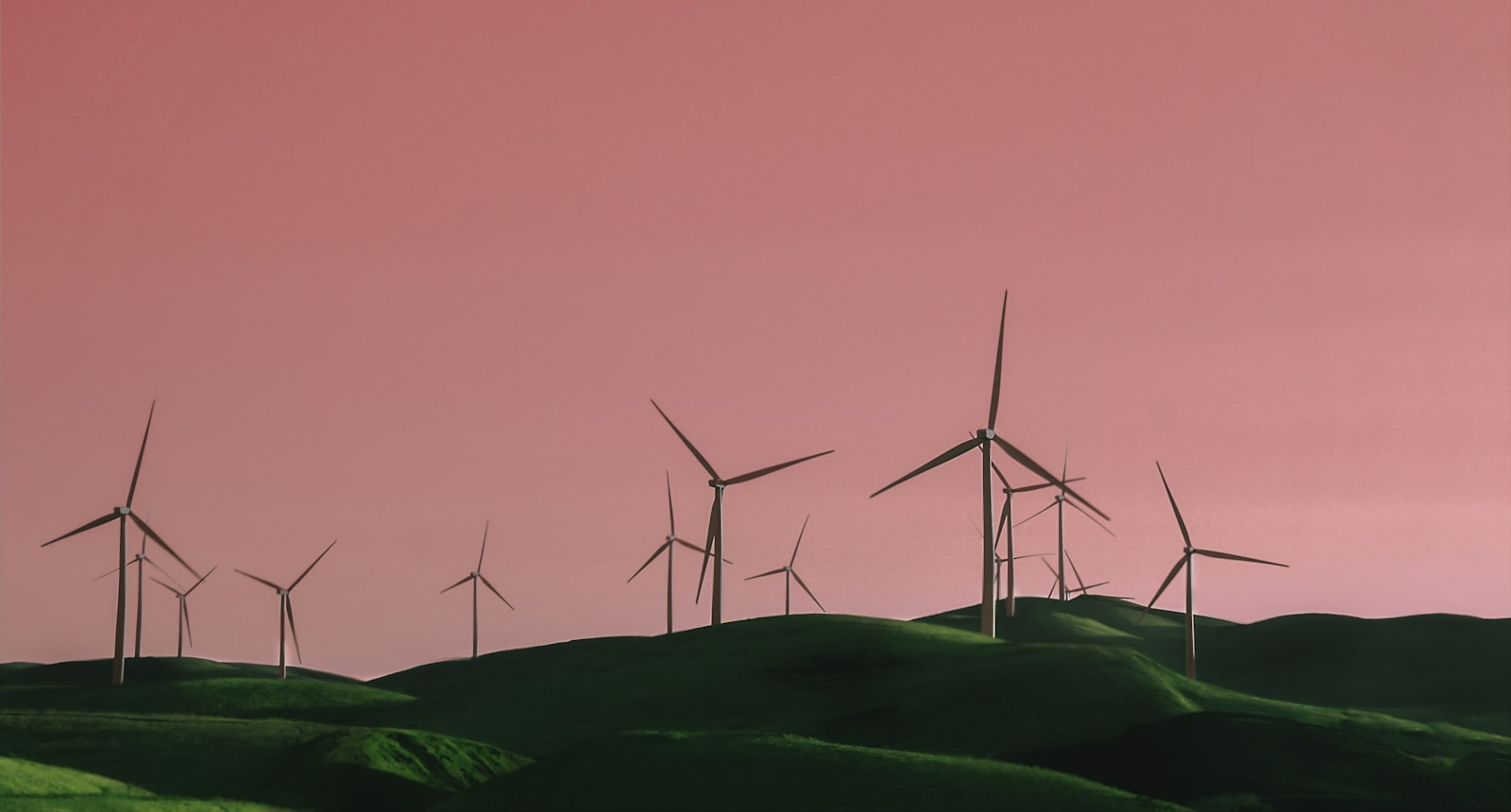
Fishing is a particularly promising sector given Mauritania’s access to rich Atlantic fishing grounds, supporting both local livelihoods and export revenues. Meanwhile, investments in solar and wind energy are gaining momentum to address energy shortages and promote sustainability.
The country’s geographic location, bridging North and West Africa, positions it as a strategic hub for trade and logistics, especially with improving infrastructure such as ports, roads, and digital connectivity. This makes Mauritania a high-potential market for investors looking to capitalize on regional integration and growing consumer demand.
Improving Investment Climate
The combination of political stability, reformist governance, and strategic economic initiatives has enhanced Mauritania’s appeal to investors. The government has introduced incentives such as tax breaks, simplified administrative procedures, and protection of property rights to attract foreign direct investment (FDI).
International organizations, including the World Bank, IMF, and African Development Bank, have acknowledged the progress made, providing technical and financial support to bolster the investment climate further. Public-private partnerships (PPPs) are being promoted to leverage private sector expertise in infrastructure development and social services.
However, challenges remain, such as bureaucratic inefficiencies and limited access to finance for small and medium enterprises (SMEs). Continued reforms targeting these areas will be vital to sustain investor confidence and promote inclusive growth.
Sustainable Development Initiatives
Mauritania is increasingly integrating sustainable development principles into its national strategies. The government has committed to the United Nations Sustainable Development Goals (SDGs), focusing on eradicating poverty, improving education and healthcare, and protecting natural resources.
Efforts to combat desertification and manage water resources are critical, given the country’s arid climate and vulnerability to climate change. Several projects, supported by international partners, aim to improve agricultural productivity through sustainable farming techniques and enhanced irrigation.
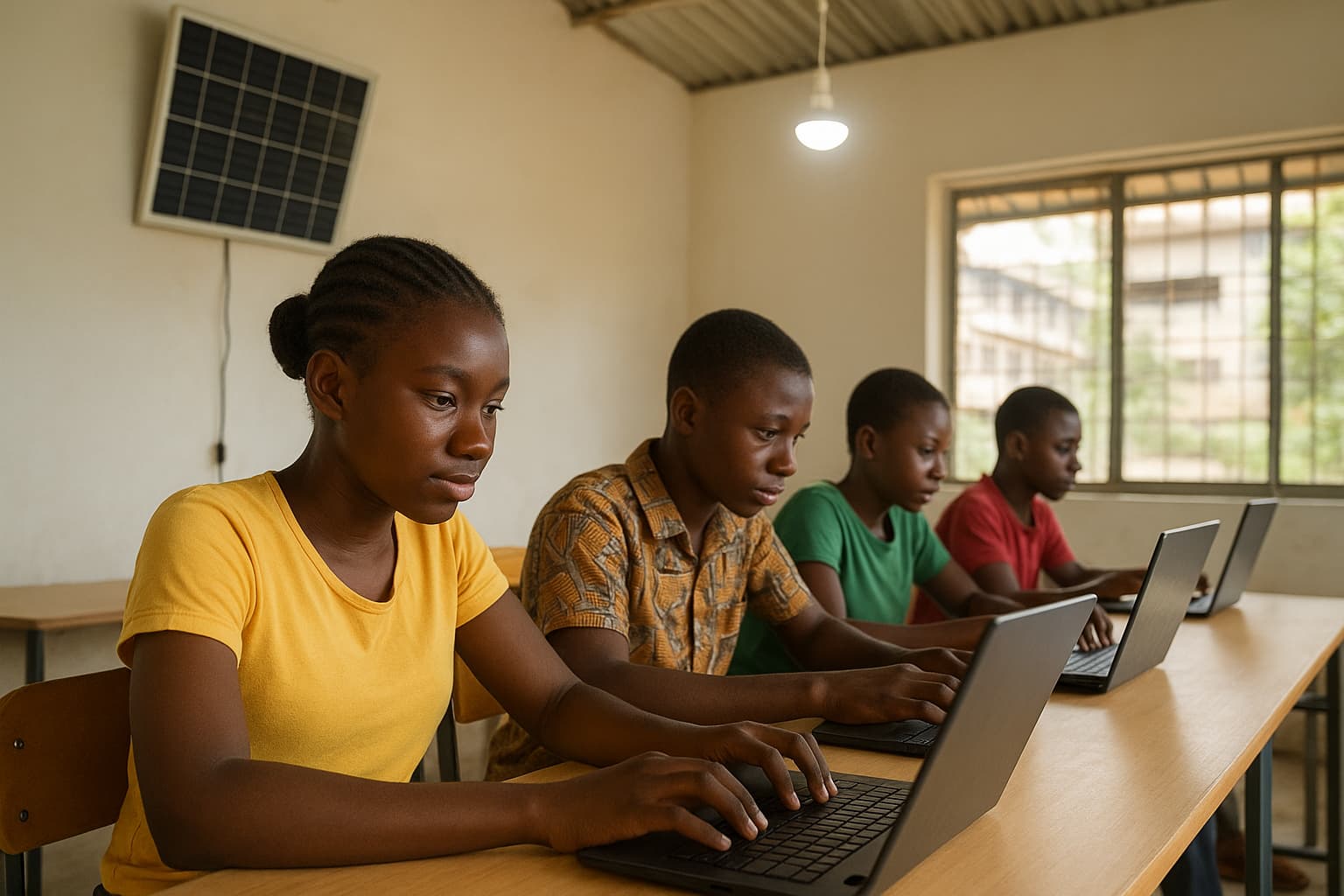
Moreover, renewable energy initiatives, including large-scale solar parks, are designed to reduce reliance on fossil fuels, lower greenhouse gas emissions, and create green jobs.
Mauritania’s Regional and International Relations
As a member of the African Union, the Arab League, and the G5 Sahel, Mauritania plays an active role in regional security and economic cooperation. The country has strengthened diplomatic ties with key partners in Africa, Europe, and the Middle East to foster trade, investment, and development aid.
Strategic partnerships with countries like France, China, and the Gulf states have brought infrastructure investments and technical expertise. At the same time, Mauritania is committed to regional initiatives aimed at combating terrorism and promoting stability across the Sahel.
Future Outlook and Strategic Implications
Looking forward, Mauritania aims to maintain its trajectory of stability and economic expansion. Continued reforms, regional partnerships, and infrastructure development will be crucial to unlock the country’s full potential.
For investors, Mauritania offers a unique opportunity to enter an emerging market with a solid foundation and promising growth prospects. Monitoring political developments and engaging with local stakeholders will be essential for maximizing returns and ensuring sustainable investments.
Challenges such as poverty, climate risks, and regional instability remain concerns. However, the government’s proactive approach, combined with international support, creates an encouraging environment for long-term progress.
Related Articles
- Security Challenges in the Sahel Region
- African Economic Growth Trends in 2025
- Top Investment Opportunities in Africa
- Sustainable Development in African Emerging Markets
External References
- World Bank – Mauritania Overview
- IMF Country Information – Mauritania
- African Development Bank – Mauritania
- UN Economic Commission for Africa – Mauritania
Unlocking Mauritania’s Potential: A Deep Dive into a High-Growth Market
Unlocking Mauritania’s Potential: A Deep Dive into a High-Growth Market
Published: July 21, 2025
Table of Contents
- Context and Regional Challenges
- President Mohamed Ould Ghazouani’s Vision
- Key Institutional and Security Reforms
- Economic Opportunities and Market Potential
- Improving Investment Climate
- Sustainable Development Initiatives
- Mauritania’s Regional and International Relations
- Future Outlook and Strategic Implications
- Related Articles
- External References
Context and Regional Challenges
The Sahel region has faced persistent instability and security challenges over the past decade, significantly impacting economic growth and social development. Mauritania, located in the western Sahel, has felt these regional pressures but stands out as a beacon of relative stability. While neighboring countries grapple with insurgencies, political unrest, and humanitarian crises, Mauritania’s government has strategically pursued policies aimed at reinforcing peace and fostering sustainable growth.
This backdrop is crucial for understanding Mauritania’s market dynamics and the strategic importance it holds as an emerging economy within the Sahel. Despite its vast desert landscapes, Mauritania boasts significant natural resources and a young, growing population eager for development and innovation.
President Mohamed Ould Ghazouani’s Vision
Since his re-election in 2024, President Mohamed Ould Ghazouani has prioritized stability and openness as pillars of his administration’s strategy to enhance Mauritania’s attractiveness to foreign and domestic investors. His leadership embodies a commitment to reinforcing institutional governance, improving security frameworks, and promoting economic reforms.
President Ghazouani also emphasizes social cohesion, education reform, and poverty reduction, recognizing that long-term stability depends on inclusive growth. His government seeks to balance traditional values with modernization, paving the way for a diversified economy and a stronger role in regional and global affairs.
Key Institutional and Security Reforms
The Mauritanian government has implemented a series of institutional reforms aimed at strengthening the rule of law, enhancing transparency, and streamlining regulatory processes for businesses. Notable initiatives include judicial reforms to reduce corruption and improve contract enforcement, which are critical to gaining investor confidence.
On the security front, significant efforts have been made to improve the capacity of national forces to combat terrorism, human trafficking, and organized crime, thereby stabilizing the internal environment. The government has also increased cooperation with regional security bodies, such as the G5 Sahel Joint Force, to enhance border security and intelligence sharing.
Economic Opportunities and Market Potential
Mauritania’s economy is rich in natural resources, including iron ore, gold, copper, and recently discovered offshore oil and gas reserves. The government is actively encouraging the development of these sectors while also focusing on agriculture, fisheries, and renewable energy as pillars of future growth.
Fishing is a particularly promising sector given Mauritania’s access to rich Atlantic fishing grounds, supporting both local livelihoods and export revenues. Meanwhile, investments in solar and wind energy are gaining momentum to address energy shortages and promote sustainability.
The country’s geographic location, bridging North and West Africa, positions it as a strategic hub for trade and logistics, especially with improving infrastructure such as ports, roads, and digital connectivity. This makes Mauritania a high-potential market for investors looking to capitalize on regional integration and growing consumer demand.
Improving Investment Climate
The combination of political stability, reformist governance, and strategic economic initiatives has enhanced Mauritania’s appeal to investors. The government has introduced incentives such as tax breaks, simplified administrative procedures, and protection of property rights to attract foreign direct investment (FDI).
International organizations, including the World Bank, IMF, and African Development Bank, have acknowledged the progress made, providing technical and financial support to bolster the investment climate further. Public-private partnerships (PPPs) are being promoted to leverage private sector expertise in infrastructure development and social services.
However, challenges remain, such as bureaucratic inefficiencies and limited access to finance for small and medium enterprises (SMEs). Continued reforms targeting these areas will be vital to sustain investor confidence and promote inclusive growth.
Sustainable Development Initiatives
Mauritania is increasingly integrating sustainable development principles into its national strategies. The government has committed to the United Nations Sustainable Development Goals (SDGs), focusing on eradicating poverty, improving education and healthcare, and protecting natural resources.
Efforts to combat desertification and manage water resources are critical, given the country’s arid climate and vulnerability to climate change. Several projects, supported by international partners, aim to improve agricultural productivity through sustainable farming techniques and enhanced irrigation.
Moreover, renewable energy initiatives, including large-scale solar parks, are designed to reduce reliance on fossil fuels, lower greenhouse gas emissions, and create green jobs.
Mauritania’s Regional and International Relations
As a member of the African Union, the Arab League, and the G5 Sahel, Mauritania plays an active role in regional security and economic cooperation. The country has strengthened diplomatic ties with key partners in Africa, Europe, and the Middle East to foster trade, investment, and development aid.
Strategic partnerships with countries like France, China, and the Gulf states have brought infrastructure investments and technical expertise. At the same time, Mauritania is committed to regional initiatives aimed at combating terrorism and promoting stability across the Sahel.
Future Outlook and Strategic Implications
Looking forward, Mauritania aims to maintain its trajectory of stability and economic expansion. Continued reforms, regional partnerships, and infrastructure development will be crucial to unlock the country’s full potential.
For investors, Mauritania offers a unique opportunity to enter an emerging market with a solid foundation and promising growth prospects. Monitoring political developments and engaging with local stakeholders will be essential for maximizing returns and ensuring sustainable investments.
Challenges such as poverty, climate risks, and regional instability remain concerns. However, the government’s proactive approach, combined with international support, creates an encouraging environment for long-term progress.
Related Articles
- Security Challenges in the Sahel Region
- African Economic Growth Trends in 2025
- Top Investment Opportunities in Africa
- Sustainable Development in African Emerging Markets
External References
- World Bank – Mauritania Overview
- IMF Country Information – Mauritania
- African Development Bank – Mauritania
- UN Economic Commission for Africa – Mauritania
Unlocking Mauritania’s Potential: A Deep Dive into a High-Growth Market
Unlocking Mauritania’s Potential: A Deep Dive into a High-Growth Market
Published: July 21, 2025
Table of Contents
- Context and Regional Challenges in Mauritanie
- President Mohamed Ould Ghazouani’s Vision for Mauritanie
- Key Institutional and Security Reforms in Mauritanie
- Economic Opportunities and Market Potential in Mauritanie
- Improving Mauritanie’s Investment Climate
- Sustainable Development Initiatives in Mauritanie
- Mauritanie’s Regional and International Relations
- Future Outlook and Strategic Implications for Mauritanie
- Related Articles
- External References
Context and Regional Challenges in Mauritanie
The Sahel region, including Mauritanie, has faced persistent instability and security challenges over the past decade, significantly impacting economic growth and social development. Mauritanie, located in the western Sahel, has felt these regional pressures but stands out as a beacon of relative stability. While neighboring countries grapple with insurgencies and political unrest, Mauritanie’s government has pursued policies aimed at reinforcing peace and fostering sustainable growth.
This regional context is crucial for understanding Mauritanie’s market dynamics and its strategic importance as an emerging economy within the Sahel. Despite its vast desert landscapes, Mauritanie boasts significant natural resources and a young, growing population eager for development and innovation.
President Mohamed Ould Ghazouani’s Vision for Mauritanie
Since his re-election in 2024, President Mohamed Ould Ghazouani has prioritized stability and openness as pillars of his administration’s strategy to enhance Mauritanie’s attractiveness to foreign and domestic investors. His leadership embodies a commitment to reinforcing institutional governance, improving security frameworks, and promoting economic reforms in Mauritanie.
President Ghazouani emphasizes social cohesion, education reform, and poverty reduction, recognizing that long-term stability depends on inclusive growth. His government seeks to balance traditional values with modernization, paving the way for a diversified economy and a stronger role for Mauritanie in regional and global affairs.
Key Institutional and Security Reforms in Mauritanie
The Mauritanian government has implemented a series of institutional reforms aimed at strengthening the rule of law, enhancing transparency, and streamlining regulatory processes for businesses in Mauritanie. Notable initiatives include judicial reforms to reduce corruption and improve contract enforcement, critical to gaining investor confidence in Mauritanie.
On the security front, significant efforts have been made to improve the capacity of Mauritanie’s national forces to combat terrorism, human trafficking, and organized crime, thereby stabilizing the internal environment. The government has increased cooperation with regional security bodies, such as the G5 Sahel Joint Force, to enhance border security and intelligence sharing benefiting Mauritanie’s stability.
Economic Opportunities and Market Potential in Mauritanie
Mauritanie’s economy is rich in natural resources, including iron ore, gold, copper, and recently discovered offshore oil and gas reserves. The government actively encourages development of these sectors while also focusing on agriculture, fisheries, and renewable energy as pillars of Mauritanie’s future growth.
Fishing is a promising sector given Mauritanie’s access to rich Atlantic fishing grounds, supporting both local livelihoods and export revenues. Investments in solar and wind energy are gaining momentum to address energy shortages and promote sustainability within Mauritanie.
Mauritanie’s geographic location, bridging North and West Africa, positions it as a strategic hub for trade and logistics, especially with improving infrastructure such as ports, roads, and digital connectivity. This makes Mauritanie a high-potential market for investors looking to capitalize on regional integration and growing consumer demand.
Improving Mauritanie’s Investment Climate
The combination of political stability, reformist governance, and strategic economic initiatives has enhanced Mauritanie’s appeal to investors. The government has introduced incentives such as tax breaks, simplified administrative procedures, and protection of property rights to attract foreign direct investment (FDI) to Mauritanie.
International organizations, including the World Bank, IMF, and African Development Bank, have acknowledged progress made by Mauritanie, providing technical and financial support to bolster the investment climate further. Public-private partnerships (PPPs) are promoted to leverage private sector expertise in infrastructure development and social services within Mauritanie.
However, challenges remain, such as bureaucratic inefficiencies and limited access to finance for small and medium enterprises (SMEs) in Mauritanie. Continued reforms targeting these areas will be vital to sustain investor confidence and promote inclusive growth in Mauritanie.
Sustainable Development Initiatives in Mauritanie
Mauritanie is increasingly integrating sustainable development principles into its national strategies. The government has committed to the United Nations Sustainable Development Goals (SDGs), focusing on eradicating poverty, improving education and healthcare, and protecting natural resources in Mauritanie.
Efforts to combat desertification and manage water resources are critical, given Mauritanie’s arid climate and vulnerability to climate change. Several projects, supported by international partners, aim to improve agricultural productivity through sustainable farming techniques and enhanced irrigation.
Renewable energy initiatives in Mauritanie, including large-scale solar parks, are designed to reduce reliance on fossil fuels, lower greenhouse gas emissions, and create green jobs.
Mauritanie’s Regional and International Relations
As a member of the African Union, the Arab League, and the G5 Sahel, Mauritanie plays an active role in regional security and economic cooperation. The country has strengthened diplomatic ties with key partners in Africa, Europe, and the Middle East to foster trade, investment, and development aid to Mauritanie.
Strategic partnerships with countries like France, China, and the Gulf states have brought infrastructure investments and technical expertise to Mauritanie. At the same time, Mauritanie is committed to regional initiatives aimed at combating terrorism and promoting stability across the Sahel.
Future Outlook and Strategic Implications for Mauritanie
Looking forward, Mauritanie aims to maintain its trajectory of stability and economic expansion. Continued reforms, regional partnerships, and infrastructure development will be crucial to unlock Mauritanie’s full potential.
For investors, Mauritanie offers a unique opportunity to enter an emerging market with a solid foundation and promising growth prospects. Monitoring political developments and engaging with local stakeholders will be essential for maximizing returns and ensuring sustainable investments in Mauritanie.
Challenges such as poverty, climate risks, and regional instability remain concerns. However, Mauritanie’s proactive approach, combined with international support, creates an encouraging environment for long-term progress.
Related Articles
- Security Challenges in the Sahel Region
- African Economic Growth Trends in 2025
- Top Investment Opportunities in Africa
- Sustainable Development in African Emerging Markets
External References
- World Bank – Mauritania Overview
- IMF Country Information – Mauritania
- African Development Bank – Mauritania
- UN Economic Commission for Africa – Mauritania
Unlocking Mauritania’s Potential: A Deep Dive into a High-Growth Market
Unlocking Mauritania’s Potential: A Deep Dive into a High-Growth Market
Published: July 21, 2025
Table of Contents
- Context and Regional Challenges in Mauritanie
- President Mohamed Ould Ghazouani’s Vision for Mauritanie
- Key Institutional and Security Reforms in Mauritanie
- Economic Opportunities and Market Potential in Mauritanie
- Improving Mauritanie’s Investment Climate
- Sustainable Development Initiatives in Mauritanie
- Mauritanie’s Regional and International Relations
- Future Outlook and Strategic Implications for Mauritanie
- Related Articles
- External References
Context and Regional Challenges in Mauritanie
The Sahel region, including Mauritanie, has faced persistent instability and security challenges over the past decade, significantly impacting economic growth and social development. Mauritanie, located in the western Sahel, has felt these regional pressures but stands out as a beacon of relative stability. While neighboring countries grapple with insurgencies and political unrest, Mauritanie’s government has pursued policies aimed at reinforcing peace and fostering sustainable growth.
This regional context is crucial for understanding Mauritanie’s market dynamics and its strategic importance as an emerging economy within the Sahel. Despite its vast desert landscapes, Mauritanie boasts significant natural resources and a young, growing population eager for development and innovation.
President Mohamed Ould Ghazouani’s Vision for Mauritanie
Since his re-election in 2024, President Mohamed Ould Ghazouani has prioritized stability and openness as pillars of his administration’s strategy to enhance Mauritanie’s attractiveness to foreign and domestic investors. His leadership embodies a commitment to reinforcing institutional governance, improving security frameworks, and promoting economic reforms in Mauritanie.
President Ghazouani emphasizes social cohesion, education reform, and poverty reduction, recognizing that long-term stability depends on inclusive growth. His government seeks to balance traditional values with modernization, paving the way for a diversified economy and a stronger role for Mauritanie in regional and global affairs.
Key Institutional and Security Reforms in Mauritanie
The Mauritanian government has implemented a series of institutional reforms aimed at strengthening the rule of law, enhancing transparency, and streamlining regulatory processes for businesses in Mauritanie. Notable initiatives include judicial reforms to reduce corruption and improve contract enforcement, critical to gaining investor confidence in Mauritanie.
On the security front, significant efforts have been made to improve the capacity of Mauritanie’s national forces to combat terrorism, human trafficking, and organized crime, thereby stabilizing the internal environment. The government has increased cooperation with regional security bodies, such as the G5 Sahel Joint Force, to enhance border security and intelligence sharing benefiting Mauritanie’s stability.
Economic Opportunities and Market Potential in Mauritanie
Mauritanie’s economy is rich in natural resources, including iron ore, gold, copper, and recently discovered offshore oil and gas reserves. The government actively encourages development of these sectors while also focusing on agriculture, fisheries, and renewable energy as pillars of Mauritanie’s future growth.
Fishing is a promising sector given Mauritanie’s access to rich Atlantic fishing grounds, supporting both local livelihoods and export revenues. Investments in solar and wind energy are gaining momentum to address energy shortages and promote sustainability within Mauritanie.
Mauritanie’s geographic location, bridging North and West Africa, positions it as a strategic hub for trade and logistics, especially with improving infrastructure such as ports, roads, and digital connectivity. This makes Mauritanie a high-potential market for investors looking to capitalize on regional integration and growing consumer demand.
Improving Mauritanie’s Investment Climate
The combination of political stability, reformist governance, and strategic economic initiatives has enhanced Mauritanie’s appeal to investors. The government has introduced incentives such as tax breaks, simplified administrative procedures, and protection of property rights to attract foreign direct investment (FDI) to Mauritanie.
International organizations, including the World Bank, IMF, and African Development Bank, have acknowledged progress made by Mauritanie, providing technical and financial support to bolster the investment climate further. Public-private partnerships (PPPs) are promoted to leverage private sector expertise in infrastructure development and social services within Mauritanie.
However, challenges remain, such as bureaucratic inefficiencies and limited access to finance for small and medium enterprises (SMEs) in Mauritanie. Continued reforms targeting these areas will be vital to sustain investor confidence and promote inclusive growth in Mauritanie.
Sustainable Development Initiatives in Mauritanie
Mauritanie is increasingly integrating sustainable development principles into its national strategies. The government has committed to the United Nations Sustainable Development Goals (SDGs), focusing on eradicating poverty, improving education and healthcare, and protecting natural resources in Mauritanie.
Efforts to combat desertification and manage water resources are critical, given Mauritanie’s arid climate and vulnerability to climate change. Several projects, supported by international partners, aim to improve agricultural productivity through sustainable farming techniques and enhanced irrigation.
Renewable energy initiatives in Mauritanie, including large-scale solar parks, are designed to reduce reliance on fossil fuels, lower greenhouse gas emissions, and create green jobs.
Mauritanie’s Regional and International Relations
As a member of the African Union, the Arab League, and the G5 Sahel, Mauritanie plays an active role in regional security and economic cooperation. The country has strengthened diplomatic ties with key partners in Africa, Europe, and the Middle East to foster trade, investment, and development aid to Mauritanie.
Strategic partnerships with countries like France, China, and the Gulf states have brought infrastructure investments and technical expertise to Mauritanie. At the same time, Mauritanie is committed to regional initiatives aimed at combating terrorism and promoting stability across the Sahel.
Future Outlook and Strategic Implications for Mauritanie
Looking forward, Mauritanie aims to maintain its trajectory of stability and economic expansion. Continued reforms, regional partnerships, and infrastructure development will be crucial to unlock Mauritanie’s full potential.
For investors, Mauritanie offers a unique opportunity to enter an emerging market with a solid foundation and promising growth prospects. Monitoring political developments and engaging with local stakeholders will be essential for maximizing returns and ensuring sustainable investments in Mauritanie.
Challenges such as poverty, climate risks, and regional instability remain concerns. However, Mauritanie’s proactive approach, combined with international support, creates an encouraging environment for long-term progress.
Related Articles
- Security Challenges in the Sahel Region
- African Economic Growth Trends in 2025
- Top Investment Opportunities in Africa
- Sustainable Development in African Emerging Markets