Nigeria 2023 Elections: A Critical Turning Point in Democracy, Campaigns & Governance
Nigeria 2023 Elections: A Critical Turning Point in Democracy, Campaigns & Governance
Table of Contents
- Election Overview & Voter Registration
- Main Contenders & Campaign Platforms
- Campaign Strategies & Media Influence
- Electoral Integrity & Observer Reports
- Record Low Voter Turnout & Disenfranchisement
- Youth Engagement, Digital Activism & #EndSARS
- Economic Crisis & Impact on Voter Sentiment
- Regional Stability & International Reactions
- Post-Election Governance Challenges
- Policy Recommendations for Reform
- Future Outlook for Nigeria’s Democracy
- Further Reading & Resources
Election Overview & Voter Registration
The 2023 Nigerian general elections, conducted on February 25, 2023, marked the seventh democratic election cycle since the country’s return to civilian rule in 1999. Voters were tasked with electing the president, members of the National Assembly, governors, and state legislators. This election involved a record-breaking 93.4 million registered voters, making it the largest electoral exercise in Nigeria’s history. Despite this milestone, official turnout hovered near a disappointing 27%, the lowest since the return to democracy ([Chatham House](https://www.chathamhouse.org/2023/03/nigerias-election-results-put-disenfranchisement-spotlight), [BBC](https://www.bbc.com/news/world-africa-64808775)).
INEC, the Independent National Electoral Commission, faced the enormous logistical challenge of managing voting in over 119,000 polling units across Nigeria’s 36 states and the Federal Capital Territory. The high registration numbers contrasted sharply with actual voter participation, reflecting widespread apathy, logistical challenges, and security concerns.
Main Contenders & Campaign Platforms
The presidential race featured three leading candidates representing distinct political and regional interests:
- Bola Ahmed Tinubu (All Progressives Congress – APC): Former governor of Lagos State and a key political strategist, Tinubu campaigned on promises of economic revival, anti-corruption, and national unity. He is considered a major figure in Nigeria’s political landscape, with strong support in the southwest and Muslim-majority northern regions.
- Atiku Abubakar (People’s Democratic Party – PDP): The former vice president and perennial candidate, Abubakar emphasized infrastructural development, job creation, and tackling insecurity, seeking to regain influence especially in the north-east and parts of the south-south regions.
- Peter Obi (Labour Party – LP): A former governor of Anambra State, Obi galvanized the youth vote and urban middle-class electorate with a message centered on economic reforms, fighting corruption, and social justice, becoming a symbol of the rising demand for change among Nigeria’s younger population.
The fragmented vote resulted in Tinubu winning with approximately 36.6% of the vote, followed by Abubakar at 29% and Obi close behind at 25.4% ([INEC official results](https://en.wikipedia.org/wiki/2023_Nigerian_general_election)). The narrow margins and allegations of electoral malpractice have triggered ongoing legal disputes and political uncertainty.
Campaign Strategies & Media Influence
Social media platforms played an unprecedented role in shaping public opinion. Peter Obi’s campaign, in particular, leveraged Twitter, Facebook, and TikTok to mobilize young voters, create viral content, and promote transparency. Online fundraising and grassroots organization helped LP amplify its message beyond traditional political structures.
Conversely, Tinubu’s campaign capitalized on traditional power bases, party machinery, and extensive ground operations, especially in northern states. Atiku’s strategy focused on consolidating PDP loyalists and emphasizing governance experience. The media landscape was fiercely competitive, with debates around misinformation, disinformation, and digital divides influencing voter perceptions ([Wired](https://www.wired.com/story/four-people-tweeting-nigeria-politics-peter-obi/), [ArXiv](https://arxiv.org/abs/2301.06176)).
Electoral Integrity & Observer Reports
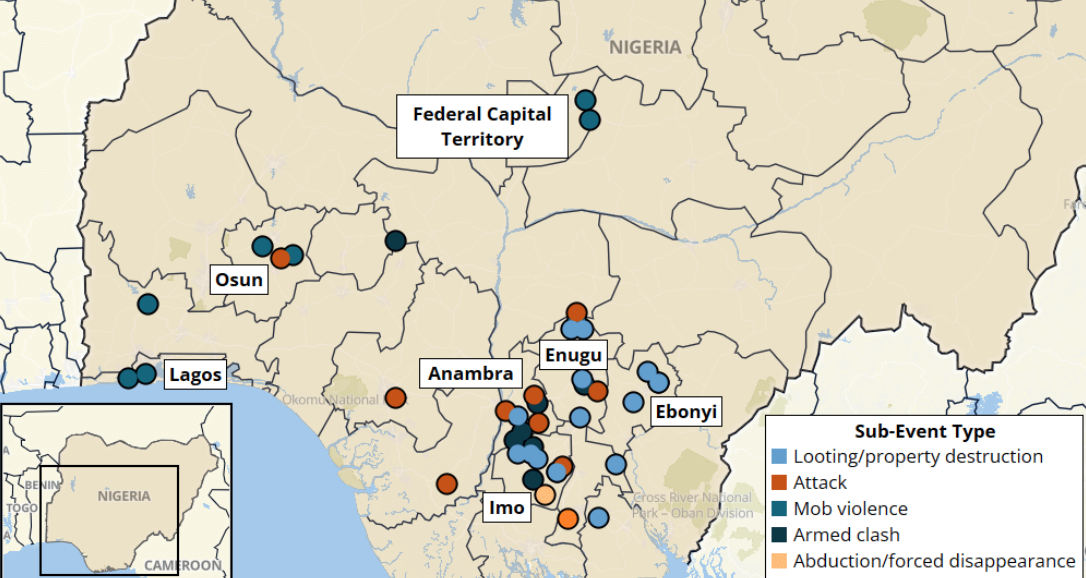
Multiple observer groups including the European Union Election Observation Mission, the Commonwealth Observer Group, and the NDI/IRI Joint Election Observation Mission highlighted significant challenges.
Key issues included malfunctioning biometric verification systems (BVAS), inconsistent and delayed results transmissions via IReV portal, logistical delays, and incidents of violence in hotspots such as Rivers State. Despite the 2022 Electoral Act reforms aiming to improve transparency, many stakeholders criticized INEC for insufficient preparedness and lack of timely communication ([Time](https://time.com/6259326/nigeria-elections-2023-results-inec/), [The Commonwealth](https://thecommonwealth.org)).
Record Low Voter Turnout & Disenfranchisement
The turnout of 27% marks a historic low, signaling deep voter apathy and disenchantment. Major urban centers like Lagos, Kano, and Port Harcourt saw turnout rates as low as 15-30%. Reasons for low turnout included difficulty obtaining Permanent Voter Cards (PVCs), poor polling logistics, security fears, fuel shortages, and distrust of the electoral process.
This low participation disproportionately affected youth and marginalized groups, raising concerns about the inclusivity and representativeness of the elections. Civil society organizations have called for reforms to address these structural disenfranchisement factors ahead of future elections ([ICIR Nigeria](https://www.icirnigeria.org/2023-elections-nigerias-voter-turnout-drops-to-lowest/), [All Africa](https://allafrica.com/stories/202303050015.html)).
Youth Engagement, Digital Activism & #EndSARS
Nigeria’s youth played a pivotal role in the 2023 elections, energizing political discourse through digital platforms. The #EndSARS protests in 2020 galvanized a politically conscious generation demanding accountability, transparency, and social justice, which resonated powerfully in the polls.
Peter Obi’s rise was largely fueled by youth mobilization and digital activism, demonstrating the growing importance of social media as a political tool. Crowdfunding, online debates, and viral campaigns contributed to reshaping Nigeria’s political culture and encouraging first-time voters to participate despite logistical hurdles ([Wired](https://www.wired.com/story/four-people-tweeting-nigeria-politics-peter-obi/)).
Economic Crisis & Impact on Voter Sentiment
Nigeria entered the 2023 elections amid significant economic challenges including inflation exceeding 20%, fuel subsidy removals, foreign exchange shortages, and high youth unemployment. These economic pressures heightened public dissatisfaction with governance, fueling demands for change and accountability.
Following his inauguration, President Tinubu introduced measures aimed at fiscal consolidation, subsidy reforms, and investment promotion. However, protests over rising living costs erupted across major cities, and the government’s response raised concerns about respect for civil liberties and political freedoms ([The Guardian](https://www.theguardian.com/world/article/2024/may/30/democracys-star-is-fading-as-nigerians-struggle-to-afford-the-basics), [Le Monde](https://www.lemonde.fr/afrique/article/2024/08/09/au-nigeria-des-manifestations-contre-la-vie-chere-severement-reprimees_6274143_3212.html)).
Regional Stability & International Reactions
As Africa’s most populous nation and economic powerhouse, Nigeria’s election outcomes carry significant regional weight. ECOWAS and the African Union welcomed the peaceful conduct of the elections despite some irregularities and called for inclusive governance and dialogue to address divisions.
International observers praised Nigeria’s resilience but urged improvements in electoral transparency and security. The U.S., UK, and EU have provided technical assistance and financial support to INEC to strengthen democratic institutions ([ECOWAS](https://www.ecowas.int/), [UNDP Nigeria](https://www.ng.undp.org/content/nigeria/en/home/presscenter/pressreleases/2023/inec-elections.html)).
Post-Election Governance Challenges
Despite the electoral process, Nigeria faces ongoing challenges such as insurgency in the Northeast, banditry in the Northwest, ethnic tensions, and governance deficits. The new administration’s ability to unify the country and implement reforms remains a crucial test for Nigeria’s democracy.
Furthermore, the legal contestation of election results threatens to prolong political uncertainty, underscoring the need for robust judicial and electoral reforms to enhance trust and legitimacy.
Policy Recommendations for Reform
- Electoral Reforms: Enhance biometric verification reliability, improve voter education, and modernize result transmission systems to increase transparency.
- Youth Inclusion: Promote civic education in schools, support youth political participation programs, and regulate social media to prevent misinformation.
- Security Measures: Strengthen electoral security forces, address root causes of violence, and ensure safe access to polling units.
- Governance Accountability: Institutionalize anti-corruption frameworks and improve economic policies to address unemployment and inflation.
Future Outlook for Nigeria’s Democracy
Nigeria’s 2023 elections reflected both the promise and pitfalls of its evolving democracy. While the scale of participation and vibrant youth activism offer hope, entrenched structural issues and low voter confidence present significant challenges.
The coming years will require concerted efforts from all stakeholders — government, civil society, international partners, and citizens — to build more inclusive, transparent, and accountable democratic institutions.
Further Reading & Resources
- INEC Official Website
- Chatham House: Nigeria Election Analysis
- The Commonwealth Observer Group
- Wired: Social Media & Nigeria Politics
- ICIR Nigeria – Investigative Reports
Election Overview & Voter Registration
The 2023 Nigerian general elections, conducted on February 25, 2023, marked the seventh democratic election cycle since the country’s return to civilian rule in 1999. Read our 2019 election analysis for historical context. Voters were tasked with electing the president, members of the National Assembly, governors, and state legislators.