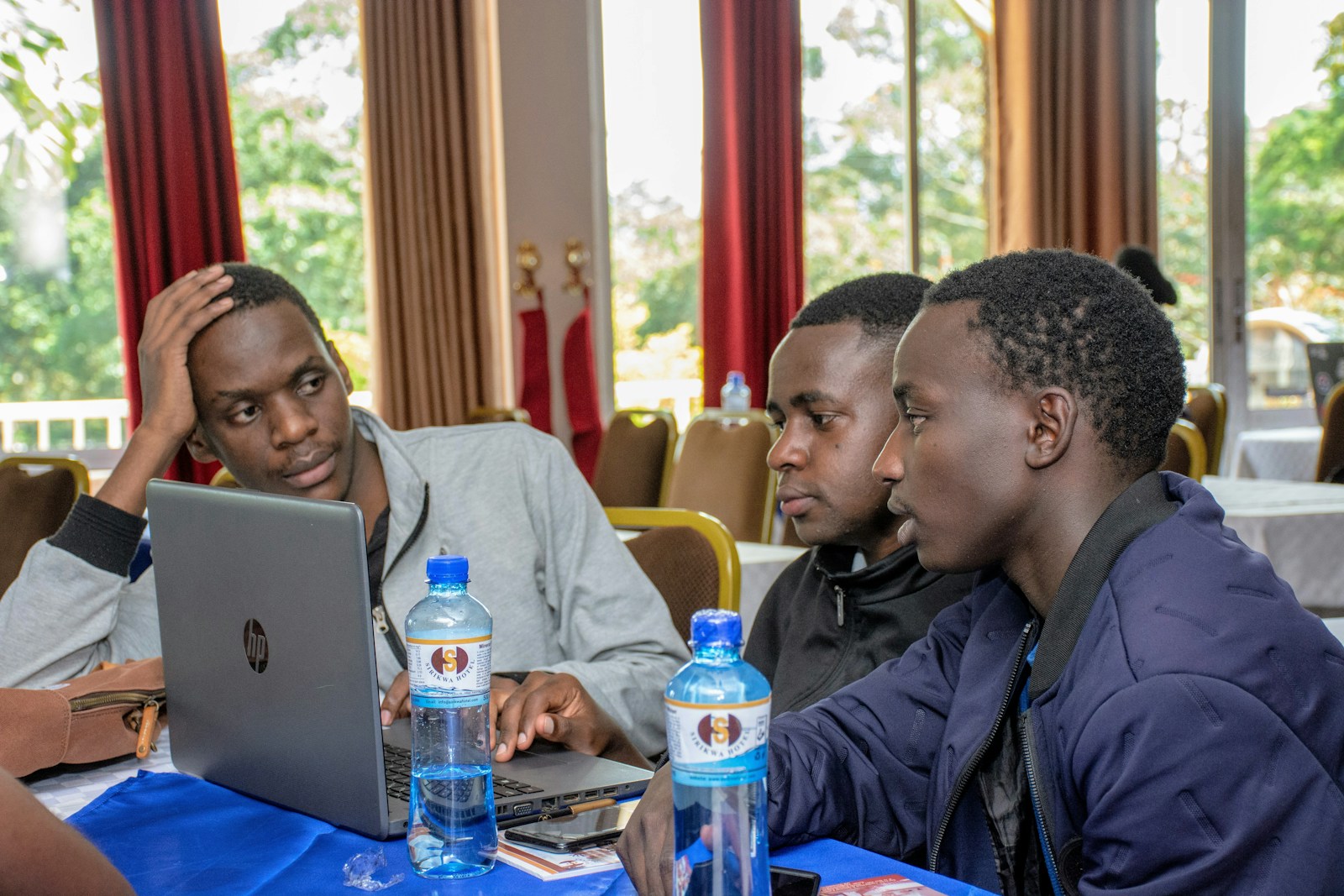
Africa’s youth represent a critical force for shaping the continent’s green future. With climate change challenges intensifying and the need for sustainable development, young innovators are uniquely positioned to drive green technology adoption. This article explores Nigeria, Kenya, and Ghana’s policy landscapes, highlighting strategies that empower youth to become key players in renewable energy, clean agriculture, and environmental innovation.
Youth green tech: Why inclusion matters
Including youth in green technology is not just a social priority but a practical necessity. Africa’s demographic dividend means that over 60% of the population is under 25, providing a massive pool of talent, creativity, and entrepreneurial energy. Engaging them in clean energy projects, recycling initiatives, and digital environmental solutions ensures the development of locally tailored technologies and sustainable job creation. Exclusion risks high unemployment and lost opportunities for innovation.
Nigeria’s green policy landscape and youth opportunities
Nigeria has introduced policies such as the National Renewable Energy and Energy Efficiency Policy to accelerate green adoption. However, implementation often overlooks youth engagement. Despite this, Nigerian startups led by young entrepreneurs in solar power, waste-to-energy, and sustainable agriculture demonstrate how youth-led initiatives can complement government efforts. Strategic policy support, mentorship programs, and access to financing remain critical to maximize youth contributions in Nigeria’s green tech sector.
Kenya’s renewable leadership and youth empowerment
Kenya stands out as a renewable energy leader in Africa, with geothermal, solar, and wind energy powering a majority of its electricity grid. Government-backed initiatives, international partnerships, and NGO-led training programs are helping young Kenyans acquire skills in green technology. Youth involvement is further enhanced by innovation hubs and incubators, although access to capital and rural outreach remain challenges that need policy attention to scale impact.
Ghana’s green innovation and youth participation
Ghana has made significant strides in promoting green technology through policies like the Renewable Energy Act and initiatives supporting sustainable agriculture. Youth participation is encouraged via entrepreneurship programs and university-led green projects. However, gaps remain in access to funding, technical training, and awareness campaigns. Strengthening policy implementation and connecting young innovators to practical opportunities can unlock Ghana’s potential as a hub for green innovation driven by youth.
Youth green tech And Shared challenges for across Africa
Despite individual country efforts, youth across Nigeria, Kenya, and Ghana face common challenges. Limited access to capital, bureaucratic hurdles, inadequate mentorship, and gender disparities hinder meaningful participation. Additionally, lack of awareness about policy frameworks and market opportunities prevents many talented young innovators from scaling their projects. Addressing these systemic challenges requires coordinated policy reforms, private sector engagement, and inclusive programs that empower youth equitably.
Economic benefits of youth inclusion in green technology
Engaging youth in green technology not only addresses environmental issues but also generates significant economic gains. Youth-led startups create jobs, stimulate local economies, and encourage knowledge-based industries. Renewable energy projects reduce reliance on imported fuels, while sustainable agriculture boosts food security. By harnessing youth creativity, African nations can develop innovative solutions that combine environmental protection with economic growth, creating a win-win scenario for the continent.
Youth green tech And Developing future-ready skills for youth
Equipping African youth with the right skills is crucial for thriving in the green technology sector. Training in renewable energy systems, sustainable agriculture techniques, environmental management, and digital tools empowers young innovators to design and implement solutions effectively. Governments, NGOs, and private institutions must collaborate to provide accessible, high-quality skill-building programs, ensuring that youth can actively participate in the continent’s green transition.
Digital entrepreneurship and youth-led green startups
Digital technology offers new pathways for youth to engage in green innovation. Online platforms enable young entrepreneurs to showcase clean energy solutions, connect with investors, and access global markets. Nigeria, Kenya, and Ghana have seen a rise in youth-led startups leveraging mobile apps, smart agriculture solutions, and digital recycling platforms. Policies that encourage digital literacy, innovation hubs, and startup financing are essential to sustain this growing ecosystem.
Youth green tech And The role of institutions in enabling youth inclusion
Institutions play a pivotal role in shaping youth participation in green technology. Ministries of environment, energy, and youth affairs must create clear, actionable policies while fostering partnerships with the private sector and civil society. Transparent funding schemes, mentorship programs, and streamlined regulatory processes can remove barriers that young innovators face. Institutional support ensures that youth are not just included symbolically but actively empowered to lead impactful projects.
International partnerships and youth opportunities
Global collaboration is key to expanding youth engagement in Africa’s green technology sector. Partnerships with international organizations, universities, and development agencies provide training, funding, and knowledge transfer. Programs like the UN Youth Climate Innovation initiatives offer young Africans platforms to scale renewable energy solutions and sustainable agriculture projects. Such collaboration ensures that youth can access global best practices while tailoring solutions to local needs.
Youth green tech And Empowering young women in green technology
Gender inclusion is critical for a comprehensive green transition. Empowering young women through scholarships, mentorship, and entrepreneurship programs ensures a more diverse and innovative workforce. Initiatives targeting female participation in solar energy, waste management, and climate tech foster equal opportunities and encourage broader societal change. Supporting young women strengthens resilience and drives more inclusive sustainable development outcomes across Nigeria, Kenya, and Ghana.
Driving sustainable innovation through youth leadership
Driving sustainable innovation through youth leadership
When youth are given agency in green technology projects, innovation thrives. They bring fresh perspectives, adapt to emerging technologies, and respond creatively to local environmental challenges. Encouraging youth-led initiatives through incubators, policy incentives, and networking events accelerates Africa’s transition to a sustainable economy. For a detailed analysis of policies supporting youth-driven /category/insights/pan-african/een projects, visit this Africa Policy Research Institute article.
Conclusion: Shaping Africa’s green future
Youth green tech is not just a policy aspiration but a pathway to tangible change across Africa. Inclusive strategies, international partnerships, skill development, and institutional support are essential to unlock youth potential. For more insights on sustainable development and youth empowerment across Africa, explore our comprehensive guide on youth initiatives. By centering young people, Nigeria, Kenya, and Ghana can lead the continent toward a greener, more prosperous future.