Introduction
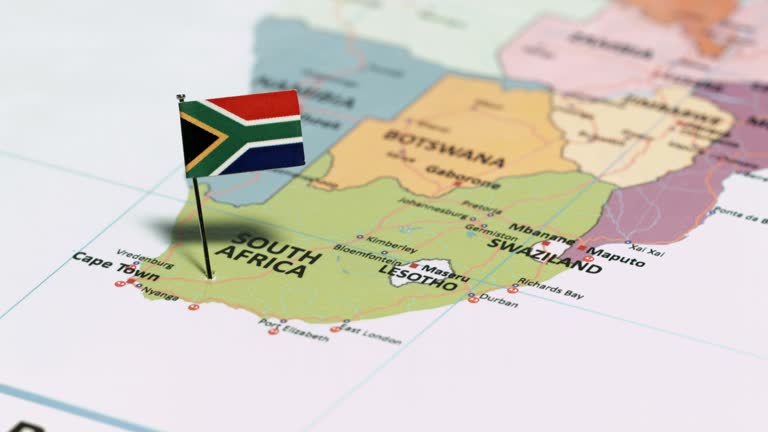
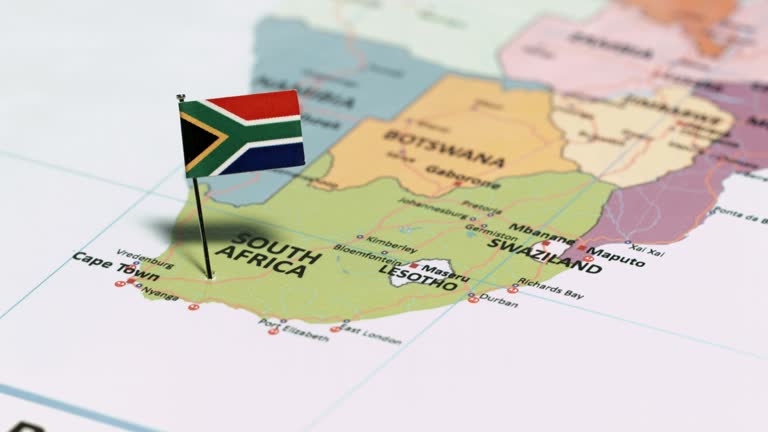
SADC Leadership is now in South Africa’s hands after Madagascar stepped down during a virtual Extraordinary Summit on 7 November 2025. This transition places South Africa in a strategic interim role, guiding the Southern African Development Community at a time when regional cooperation is vital. SADC Leadership gives Pretoria the responsibility to coordinate agendas, direct discussions, and monitor progress on key issues affecting 16 member states. These include energy integration, transport corridors, industrial development, digital transformation, security cooperation, and climate resilience. For governments, businesses, and millions of citizens, this shift is more than symbolic—it influences policies, project timelines, and economic stability. With this interim mandate, South Africa’s decisions may shape the direction of the region for years to come.
SADC Leadership: Ensuring Stability in Regional Governance
SADC Leadership is grounded in stability. When Madagascar stepped aside, South Africa accepted the responsibility to prevent a leadership vacuum. Continuity matters because SADC’s work spans multiple sectors, each with ongoing projects and deadlines. As interim chair, South Africa must stabilise governance mechanisms, ensuring that ministerial committees and technical groups operate efficiently. Keeping communication clear and predictable strengthens trust across member states. The chair must act as a neutral coordinator, creating an environment where decisions respect the collective interests of SADC. Stability is essential for maintaining investor confidence, advancing agreements, and supporting member states facing political or economic challenges. This first priority sets the foundation for every other initiative that follows.
SADC Leadership: Accelerating Regional Energy Solutions
Energy shortages affect households, industries, and national budgets across Southern Africa. Under SADC Leadership, South Africa can guide the region toward realistic solutions. Connecting power grids, harmonising regulations, and expanding renewable projects can reduce dependence on unstable generation sources. South Africa can push for updated energy frameworks that encourage cross-border electricity trade and attract independent producers. By prioritising smart grid technologies, battery storage, and solar expansion, SADC can move towards a more resilient energy network. The chair can also highlight opportunities for regional cooperation in grid maintenance, joint investment in substations, and shared emergency response to outages. These steps can gradually improve reliability, strengthen industry, and support long-term economic growth.
SADC Leadership: Strengthening Cross-Border Trade Efficiency
Trade is a lifeline for SADC economies, but cross-border movement often suffers from delays and inconsistent procedures. SADC Leadership allows South Africa to champion major improvements in corridor efficiency. By promoting customs cooperation, standardised documentation, and real-time digital systems, the region can cut waiting times and reduce transport costs. Efficient trade corridors benefit exporters, importers, small traders, and farmers. South Africa can use its experience in logistics and border management to help modernise key routes such as the North-South Corridor, Maputo Corridor, and others. These upgrades increase competitiveness for manufacturers and traders. Prioritising infrastructure maintenance, coordinated inspection systems, and improved road safety can help goods move faster and safer across borders.
SADC Leadership: Guiding Industrial and Agricultural Development
Industrial growth and agricultural transformation are essential for job creation and economic resilience. Under SADC Leadership, South Africa can advocate for integrated industrial policies that promote regional value chains. Instead of exporting raw minerals, member states can process materials locally, creating products with higher value. South Africa’s manufacturing capacity can support shared production lines in automotive components, fertilisers, pharmaceuticals, and agro-processing. In agriculture, aligned standards, shared storage networks, and coordinated research can boost food security. SADC Leadership can encourage the creation of regional centres of excellence that support farmers and processors with training and modern technology. This approach increases output, stabilises prices, and improves the region’s ability to compete globally.
SADC Leadership: Advancing Digital Transformation and Innovation
Digital transformation is central to modern economic growth. SADC Leadership allows South Africa to guide the region toward an integrated digital ecosystem. Shared digital regulations, cross-border payment systems, and harmonised cybersecurity standards can unlock new opportunities for businesses. With many SADC countries showing rapid growth in mobile adoption, the time is right to push forward digital innovation. South Africa can support regional initiatives that promote e-commerce, e-government services, and digital identity verification. These systems reduce bureaucracy, improve service delivery, and support small businesses in reaching new markets. Digital innovation also improves financial inclusion, enabling more citizens to access banking, credit, and insurance products. This priority can transform lives and fuel long-term development.
SADC Leadership: Enhancing Peace and Security Cooperation
Peace and security are vital for economic development and social stability. SADC Leadership gives South Africa the platform to coordinate collective action against threats to regional stability. Election disputes, conflict spillovers, and cross-border crime affect trade, investment, and citizen mobility. South Africa’s interim role allows it to convene security dialogues, deploy observation missions, and support conflict prevention efforts. Collaboration between police forces, intelligence units, and emergency response teams can improve safety along borders. Clear communication between member states and joint operations can weaken criminal networks and protect communities. Peace-building measures are not only moral duties—they also support the economic and political stability necessary for regional growth.
SADC Leadership: Leading Climate Adaptation and Disaster Preparedness
Southern Africa is vulnerable to climate shocks such as droughts, cyclones, and floods. SADC Leadership enables South Africa to push for a coordinated regional response. Shared climate data, early-warning systems, and disaster-response frameworks help member states prepare and act quickly. South Africa can support climate adaptation through regional water management, resilient agriculture, and sustainable urban planning. Investments in climate-smart infrastructure—such as drought-resistant irrigation systems, reinforced public buildings, and flood-resistant roads—protect communities and economies. Collaboration in climate finance can also unlock funding from international partners, supporting large-scale adaptation projects. Building resilience is essential for safeguarding development gains and preparing for future environmental challenges.
SADC Leadership: Boosting Investment Confidence and Economic Momentum
Economic confidence is essential for regional development. SADC Leadership gives South Africa a chance to influence investor perceptions positively. Transparent decision-making, consistent communication, and prioritised project pipelines increase trust among investors and financial institutions. South Africa can encourage public-private partnerships and highlight opportunities in logistics, energy infrastructure, agriculture, and manufacturing. A focus on bankable projects ensures that funding flows smoothly and construction begins on time. When investors see progress, they invest further. This creates a cycle of growth that benefits the entire region. Under strong leadership, SADC can strengthen its economic identity and become a more attractive investment destination.
SADC Leadership: Managing Timelines and Deliverables
Taking on SADC Leadership is a major responsibility, but the interim nature requires swift and strategic action. South Africa must balance long-term goals with practical, achievable milestones. Clear timelines and deliverables help build momentum and show real progress. Prioritising a few high-impact projects prevents dilution of effort. Regular communication keeps member states updated and ensures accountability. Working with the SADC Secretariat, South Africa can track implementation, measure results, and adjust plans where needed. Successful leadership is judged by outcomes—visible improvements in energy, trade, stability, and integration will reflect effective stewardship of the interim term.
FAQs
How does SADC Leadership impact regional cooperation?
SADC Leadership improves coordination, strengthens policy alignment, and accelerates urgent cross-border initiatives.
Which sectors will SADC Leadership influence most?
SADC Leadership will influence energy, trade, industrial development, digital transformation, and regional diplomacy.
What challenges may SADC Leadership face?
Challenges include limited time, funding constraints, political differences, and the need for coordinated implementation.
Conclusion
SADC Leadership offers South Africa a powerful chance to shape regional progress during its interim tenure. By focusing on stability, energy cooperation, trade efficiency, industrial development, digital transformation, climate resilience, and diplomatic coordination, it can leave a lasting impact across Southern Africa. Effective SADC Leadership depends on clear goals, consistent communication, and measurable outcomes. If South Africa delivers with focus and unity, the region can benefit from renewed momentum, stronger cooperation, and tangible improvements that support long-term development.