Introduction
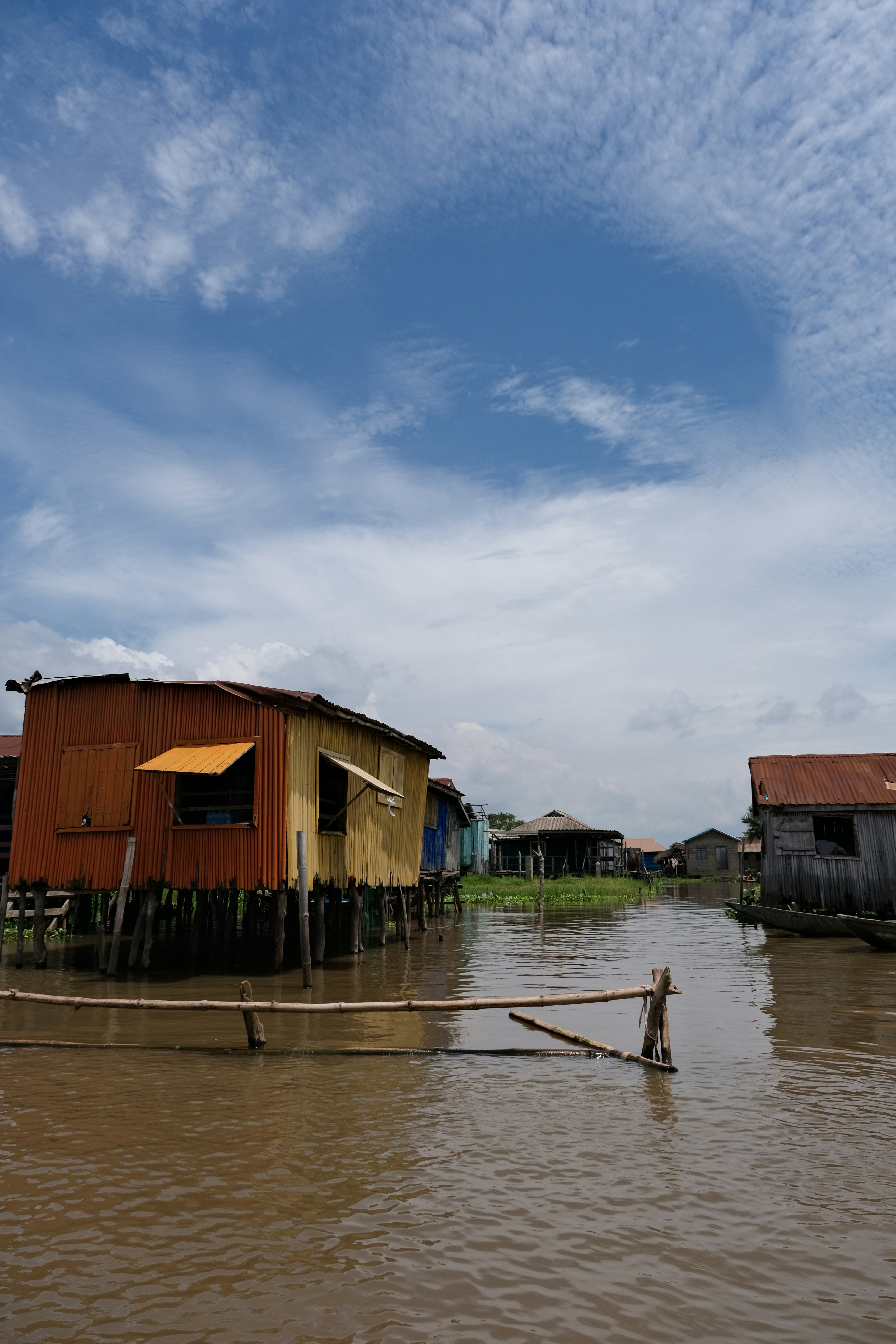
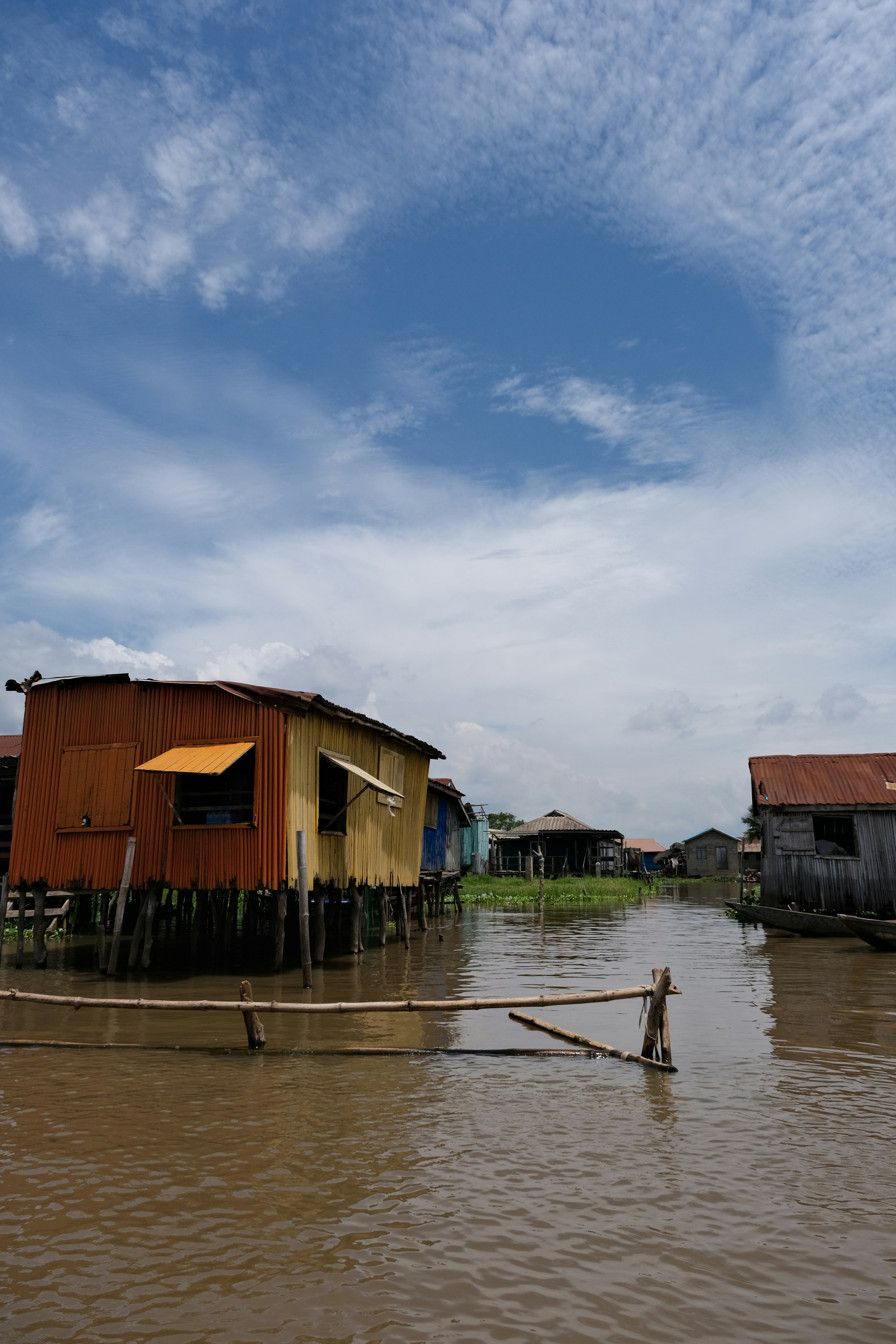
Flood Settlements are no longer rare emergencies; they are seasonal shocks that repeat with each big storm. Many informal neighborhoods sit on low-lying, hazard-prone land with fragile housing, blocked drains, and limited emergency access. When heavy rain hits, homes, livelihoods, and health are at risk.
This is about more than weather. It is about rights, planning, and public delivery. In this piece, we translate field experience into actions that reduce exposure, protect families, and speed recovery. You will find clear steps for risk mapping, in-place upgrades, drainage, early warnings, and funding. The goal is simple: fewer losses next season than this one.
Flood Settlements: Map Risk with Community Knowledge
Good maps cut losses before the clouds form. Start with short walk-throughs during light rain and watch how water moves. Mark pooling points, blocked culverts, steep lanes, and houses that flood first. Use printed satellite images and add chalk notes where water crossed thresholds in past storms.
Check basic elevation with a rod or phone altimeter. Identify safe assembly points and the routes that stay passable when streets turn to streams. Publish the map in schools, clinics, and shops so everyone knows escape paths and staging points for sandbags or pumps.
Update these “living maps” each rainy season. Small changes—like a new fence or filled ditch—can alter flow. When maintenance crews and residents share the same map, scarce resources reach the right places fast, and the same storm does less damage.
Flood Settlements: Upgrade In Place to Reduce Immediate Risk
Upgrading where people already live protects both homes and livelihoods. Simple works have big impact: grade pathways to guide runoff, lay open drains with inspection points, and install culverts at lane crossings. Raise door thresholds and add concrete aprons to divert sheet flow away from rooms.
Lighting matters. Reflective markers and solar lights guide safe movement during night storms or outages. Design for upkeep: straight channels, accessible silt traps, and debris grates that resident teams can lift with basic tools.
If relocation is unavoidable, keep it near-site, transparent, and supported with help for moving costs and work transitions. Most neighborhoods can be made safer without uprooting entire social networks. In-place upgrades deliver quick, visible wins that build trust and momentum.
Flood Settlements: Make Drainage the First Line of Defense
Water follows gravity, and blocked drains turn a downpour into a disaster. A pre-season desilting plan beats last-minute heroics. Clear inlets upstream, trim vegetation that chokes flow, and add silt traps at the head of lanes to catch debris before it enters channels.
On steep sections, place check dams or small gabions to slow runoff and reduce erosion. Protect outfalls so channels do not carve fresh gullies. Publish a weekly clearing roster and pair municipal crews with trained resident volunteers equipped with gloves, rakes, and wheelbarrows.
Measure progress in meters of drain reopened and choke points eliminated. When people see consistent maintenance and clean channels, they keep waste out of waterways—and the water keeps moving when it matters most.
Flood Settlements: Deliver Early Warnings That Reach Every Door
A warning that arrives late is not a warning. Layer communication channels so no one is missed: SMS and WhatsApp groups, mosque or church announcements, rotating loudhailers, and simple sirens at key corners. Set clear trigger levels for rainfall or river gauges and test them monthly.
Paint safe routes and elevated assembly points on walls with bold arrows. Equip block leaders with torches, whistles, reflective vests, and basic first-aid kits. Encourage households to prepare “go-bags” with IDs, medicines, small cash, chargers, and plastic sheeting.
Practice matters. Short drills build muscle memory so people move quickly when the alert sounds. Timely, trusted warnings cut injuries, protect belongings, and shorten the road to recovery.
Flood Settlements: Protect Health with Flood-Smart WASH
Health risks surge as waters recede. Standing water spreads diarrhea and skin infections, while damp rooms worsen respiratory illness. Sanitation units should be raised above typical flood marks with sealed pits and vent pipes fixed to frames. Place handwashing stations with soap near shared toilets.
Stock chlorine tablets at community hubs, and post simple pictorial guides for disinfecting floors and containers. Increase waste collection during rainy months to keep debris out of drains.
After a storm, run a 24-hour hygiene sprint: pump out water, disinfect surfaces, and sun-dry bedding. Door-to-door checks help elders, pregnant women, and people with disabilities get quick care. Treating health as core disaster response prevents outbreaks and speeds return to normal.
Flood Settlements: Strengthen Homes with Low-Cost, High-Impact Tweaks
Small changes can save rooms and routines. Raise thresholds; seal wall-to-floor joints; and add concrete aprons to push water away from doors. Elevate sockets and protect wiring from splash zones. Use treated timber and rust-resistant fixings where budgets allow.
Store documents and valuables in sealed plastic bins placed on shelves. Lift sleeping platforms off floors to keep bedding dry. Vent kitchens and bathrooms to reduce humidity and mold. Anchor lightweight roofs to resist gusts that accompany storms.
These measures are affordable and fast to install. They protect health, safeguard schoolbooks and tools, and slash cleanup time. One rainy season with fewer soaked rooms is often enough to convince neighbors to copy the upgrades.
Flood Settlements: Unlock Services Through Tenure and Land Rules
Unclear tenure can stall investment in safer infrastructure. Incremental recognition—occupancy letters, community registers, or site permits—opens pathways to services while long legal processes continue. Public, simple rules build confidence and reduce conflict.
For new plots, avoid river bends and floodplains, reserve green strips along channels, and keep homes above known flood marks. Lanes must be wide enough for emergency access and drain maintenance.
Where exposure is extreme and cannot be reduced, design fair relocations with transparent criteria and near-site options to protect livelihoods. Publish rationale and maps so residents understand why certain spaces must remain open for drainage or emergency staging.
Flood Settlements: Tie Budgets to Visible, Local Results
Funding should follow data, not headlines. Track where floods recur, how many homes are affected, and which fixes deliver the biggest reductions in loss. Publish quarterly scorecards at neighborhood level: meters of drain cleared, culverts repaired, households protected, and drills completed.
Use open dashboards so residents can verify progress and submit geotagged photos. Link payments to milestones people can see—raised crossings, installed pumps, or emptied silt traps. Provide micro-grants for community micro-projects like step repairs and stone placement at slippery spots.
Transparent numbers align incentives and keep schedules on track. When communities can monitor delivery, maintenance becomes a habit instead of a scramble.
Flood Settlements: Finance Fast and Build for Durability
Speed without durability is wasted money. Prioritize high benefit-cost items—primary drains, elevated crossings, and flood-safe sanitation—and budget for maintenance from day one. Write routine tasks into contracts with clear frequencies.
Choose materials that tolerate repeated wetting: concrete lintels, galvanized fixings, treated wood, and quality sealants. Use modular designs so upgrades expand as funds allow. Blend municipal budgets with philanthropic and private contributions, but keep oversight public and procurement transparent.
Link disbursements to pre-season readiness checks. A strong culvert still fails if no one is paid to keep it clear. Durable results depend on reliable maintenance lines that survive budget cycles.
Flood Settlements: Center Community Leadership and Practice Drills
Residents know which lanes flood first and who needs help. Train local teams in safe tool use, basic surveying, and first aid. Support women and youth leaders, who often manage water, caregiving, and communication under pressure.
Schedule monthly maintenance days ahead of the rains and record progress on a public wall calendar. Celebrate quick wins—like a reopened drain or a newly lit walkway—to keep energy high. Pair community labor with municipal support and supervision.
Practice evacuations in schoolyards and community halls. Teach children to follow painted arrows to high ground and to recognize the sound of alarms. Shared routines turn panic into purposeful action.
FAQs
What are Flood Settlements and why do they face higher risk?
Flood Settlements are neighborhoods located in flood-prone areas. Dense housing, weak drainage, and intense rain combine to raise the danger.
How can Flood Settlements reduce damage before the next rainy season?
Clear drains, mark safe routes, set alert triggers, and add low-cost home upgrades like raised thresholds and sealed joints.
Who is responsible for protecting Flood Settlements during storms?
Local government must plan and fund defenses, while resident leadership ensures warnings, maintenance, and access work on the ground.
Conclusion
Flood Settlements show where planning, services, and rights meet daily reality. The fixes are practical: map risk with residents, maintain drains, deliver timely alerts, and build flood-smart sanitation and homes. Protect the most exposed pockets first, upgrade in place where possible, and relocate only when risk cannot be reduced.
Back these steps with transparent budgets, steady maintenance, and regular drills. When communities and authorities work together and learn after each storm, the same rainfall causes less harm next time. Safer cities start by treating Flood Settlements as the frontline of resilience.