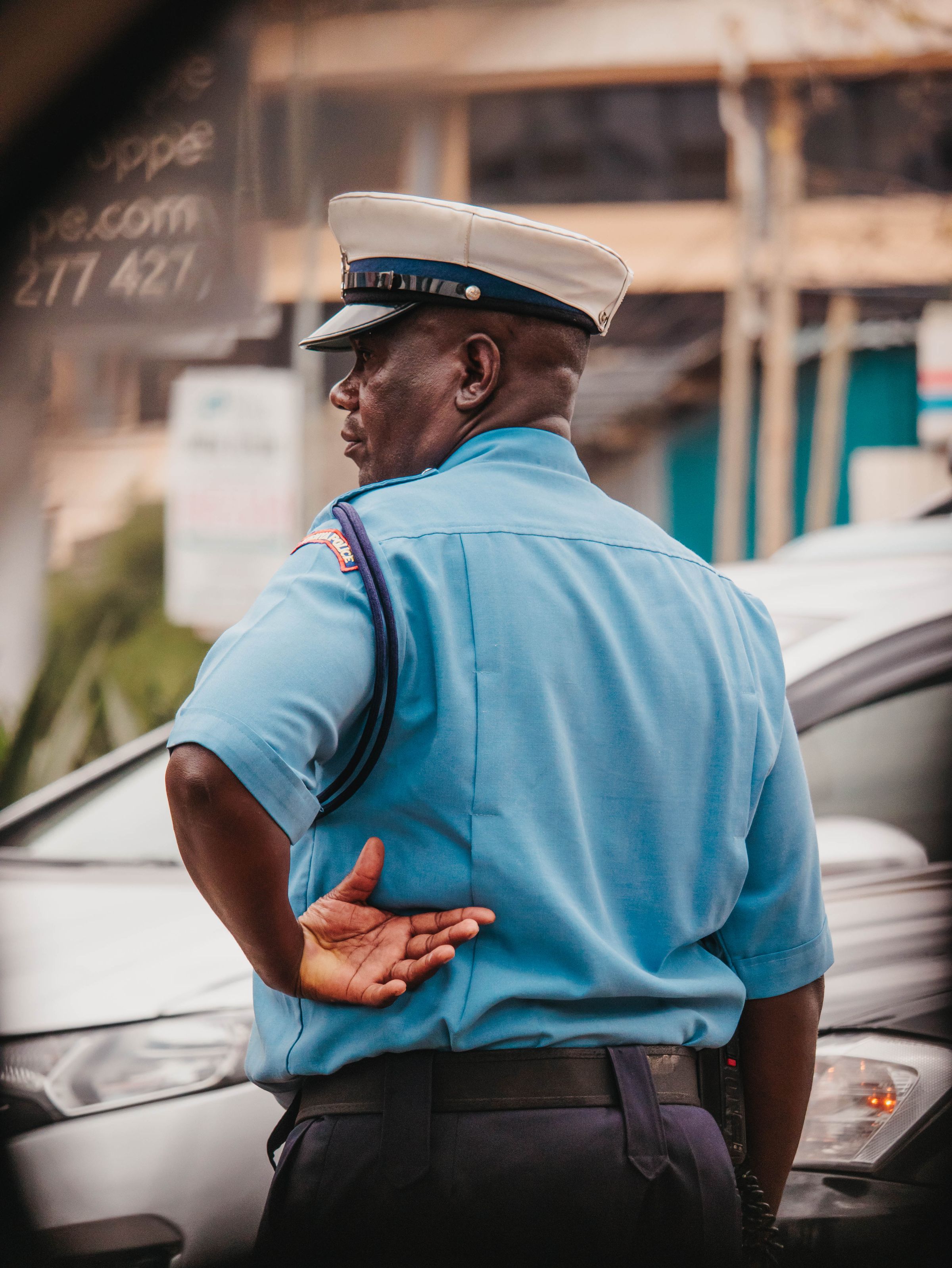
At least 21 cases covering murder, arson and intimidation have been opened by South Africa’s police service since special voting began on Monday, with six suspects arrested for offences that strike directly at the integrity of Wednesday’s local government elections.
NatJoints chairperson Lieutenant General Tebello Mosikili laid out the scale of the security operation at a media briefing on Tuesday evening on law enforcement’s state of readiness. Her message to political actors and criminal elements alike was unambiguous: anyone using the elections as cover for violence would face decisive action, and no excuses would be entertained when crime is committed.
The most serious incident on the ledger is the killing of an MK Party regional leader in KwaZulu-Natal during the special voting period. The Political Killings Task Team has been assigned to assist with the murder investigation, and Mosikili expressed confidence that the investigating team would pursue available leads to bring those responsible to justice. The case forms part of a broader docket of 21 incidents that also includes the theft of banners, tents and campaign material, and the defacing of election posters, losses that fall on parties and candidates as the cost of contesting the vote.
Five of the 21 cases have already been referred to court, an early signal of how quickly the state intends to convert arrests into prosecutions. Among the six suspects in custody, two were arrested for impersonating an Electoral Commission of South Africa official at Ngcobo in the Eastern Cape, one for destroying election material in Mmametlhake in Mpumalanga, one for malicious damage to property in Pienaar, also in Mpumalanga, and one for taking a photograph of a ballot paper in Christiana in the North West.
Mosikili also confirmed the death of an IEC presiding officer in Buhrmansdrif, in the Ngaka Modiri Molema District Municipality in North West. Police are investigating the circumstances to establish the cause. Contingency plans have been activated, and the voting station is expected to be fully operational on Wednesday, limiting any operational disruption to the vote.
Meanwhile, enforcement is being extended to the smallest breaches of electoral rules, which officials treat as threats to the credibility of the process. In Limpopo, police arrested a 32-year-old man for allegedly photographing his marked ballot paper at the Masakhane voting station in Mokwakwaila at around 11:30 on Monday. Brigadier Hlulani Mashaba said the presiding officer reported the incident, officers responded and apprehended the suspect, and the suspect reportedly shared screenshots of the images with the police.
The operational bill for securing the elections extends beyond visible policing. Mosikili said a dedicated centre, led by the State Security Agency, is monitoring cyberattacks, with the South African National Defence Force or any other security agency to be activated where necessary. That layered posture reflects the view that the cost of a compromised election, whether through violence, sabotage or digital interference, would far exceed the expense of the security deployment itself.
With the official campaigning period ending at midnight on Tuesday, Mosikili issued a warning with direct political implications: no campaigning, political persuasion, solicitation or intimidation of voters would be permitted on election day. Every eligible voter, she said, must be able to exercise their democratic right freely, without undue influence, intimidation or interference from any political party or individual. Protests on election day would be prohibited, and anyone found contravening Section 76 of the Municipal Electoral Act 27 of 2000 would be dealt with accordingly.
Infrastructure risks have also been managed. Addressing electricity interruptions that affected some municipalities over the past two days, Mosikili said the challenges had been addressed and contingency measures were in place to prevent further disruptions, a point of reassurance for voting stations dependent on stable power.
The full picture of the police operation and the cases opened ahead of the vote is detailed in the original report at https://www.news24.com/southafrica/crime-and-courts/murder-arson-and-intimidation-21-cases-opened-as-police-prepare-for-election-day-20261103-1203.
Mosikili closed her briefing by stating that the state of readiness remains at the highest operational level, with the necessary capacity, resources, coordination and contingency arrangements in place to secure the 2026 local government elections, and that police are ready to ensure South Africans can exercise their democratic rights in a peaceful, safe and secure environment. Whether the pace of prosecutions holds after the vote, and whether further incidents emerge on election day itself, will test the durability of that readiness.