The state has put a price tag on breaking the deadlock in one of South Africa’s largest corruption prosecutions: an estimated R1.6 million for software and data services so that former Transnet executives can search through the massive evidence load against them. The proposal, reported by Eyewitness News (https://www.ewn.co.za/2026/10/21/state-offers-to-pay-r16m-for-software-to-break-transnet-corruption-trial-deadlock), is aimed at unblocking a multi-billion-rand trial that has been stalled before it could even begin.
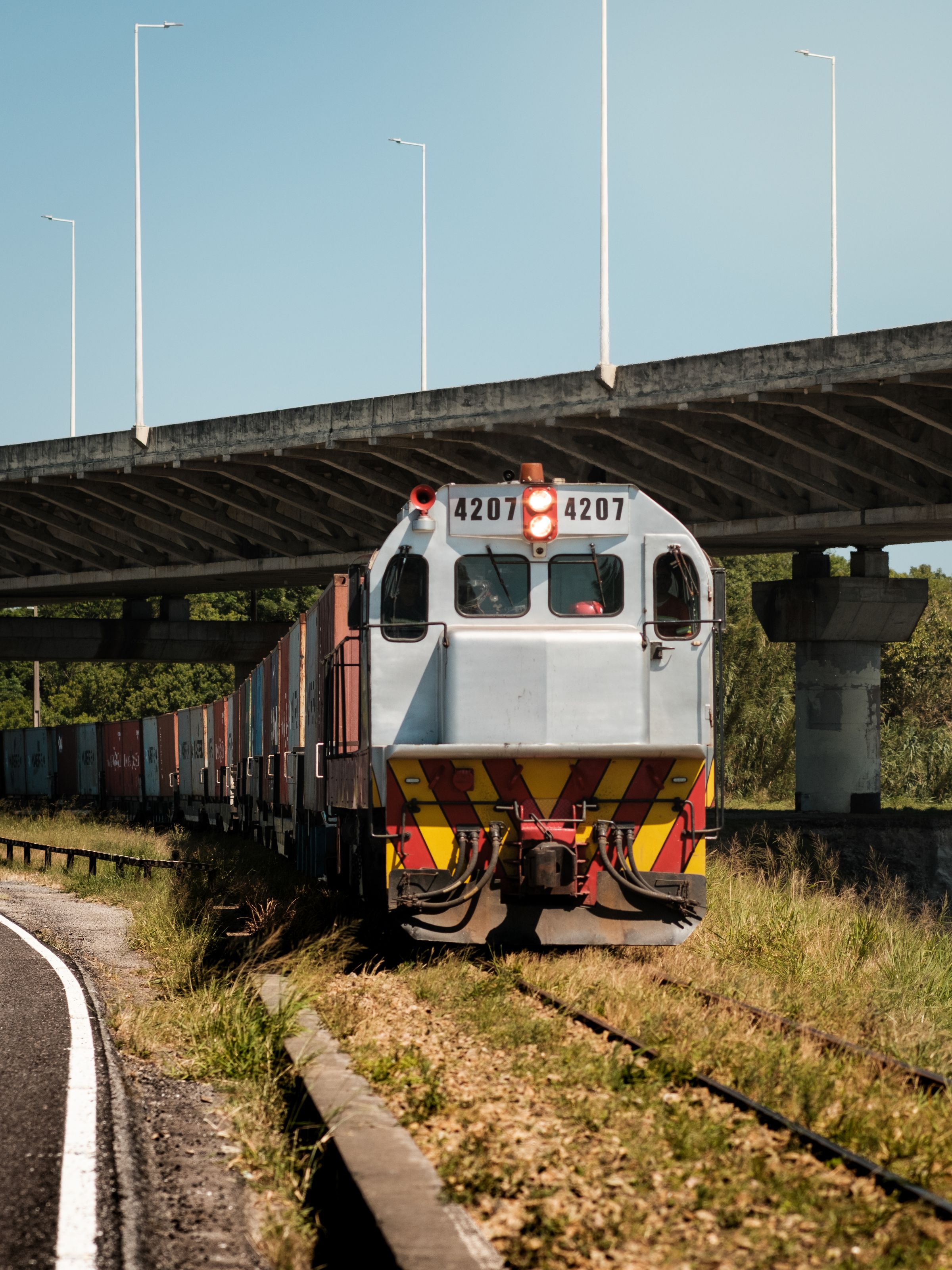
The accused include former Transnet executives Brian Molefe, Anoj Singh and Siyabonga Gama, along with Garry Pita, Thamsanqa Jiyane, Niven Pillay and Kuben Moodley, among 15 accused in total. They face graft charges linked to the procurement of 1,064 locomotives worth more than R54 billion. Companies Trillian, Regiments Capital and McKinsey are charged with fraud, corruption and money-laundering in connection with the same procurement. The state alleges that Regiments Capital was irregularly brought into the contract, increasing its value and scope by more than R305 million.
At the centre of the current dispute is the sheer scale of the evidence: 49 terabytes of data that the defence says it cannot properly interrogate without additional tooling. The state’s offer covers uploading the Transnet data onto a searchable platform, with the defence given three months to review it. The state has also offered to process the separate Regiments Capital and Trillian datasets, making them searchable at no cost to the accused. According to the state, this would give the defence the same ability to search and analyse the evidence as the prosecution enjoys. If both arrangements run at the same time, the full process could take up to six months.
Prosecutor Manilal told the court that the offer, estimated at about R1.6 million, has a limit. “Should the defence request an extended period to review the data, the cost will need to be negotiated with the service provider, and such cost will be borne by the defence,” he said. In other words, the state will fund the baseline exercise, but any overrun in time or cost shifts onto the accused themselves.
The defence has pushed back on both fronts. It has raised concerns about the time allowed to review the data and the possibility of having to pay for an extension. Its argument is that the accused must be given a fair opportunity to prepare their case, a position that frames the state’s cost-capped offer as potentially inadequate given the volume of material involved.
Meanwhile, the fight over access to the evidence is one of the issues in an application to have the case struck off the roll because of unreasonable delays. The group of accused wants the case removed entirely on that basis. The trial was supposed to begin in February this year but has yet to get underway, and the cost and logistics of evidence handling have become entangled with the broader question of whether the prosecution can proceed at all.
For the state, the R1.6 million proposal is a relatively modest outlay against the scale of a case built on procurement worth more than R54 billion, and a way to demonstrate that delay is not of its making. For the accused, the economics of the offer cut the other way: a fixed review window with the risk of bearing further costs themselves strengthens their argument that the case cannot fairly proceed. The High Court is expected to rule on the trial delays, and how it weighs the state’s funded offer against the defence’s cost and time concerns will help determine whether the matter finally reaches trial or collapses under the weight of its own procedural history.