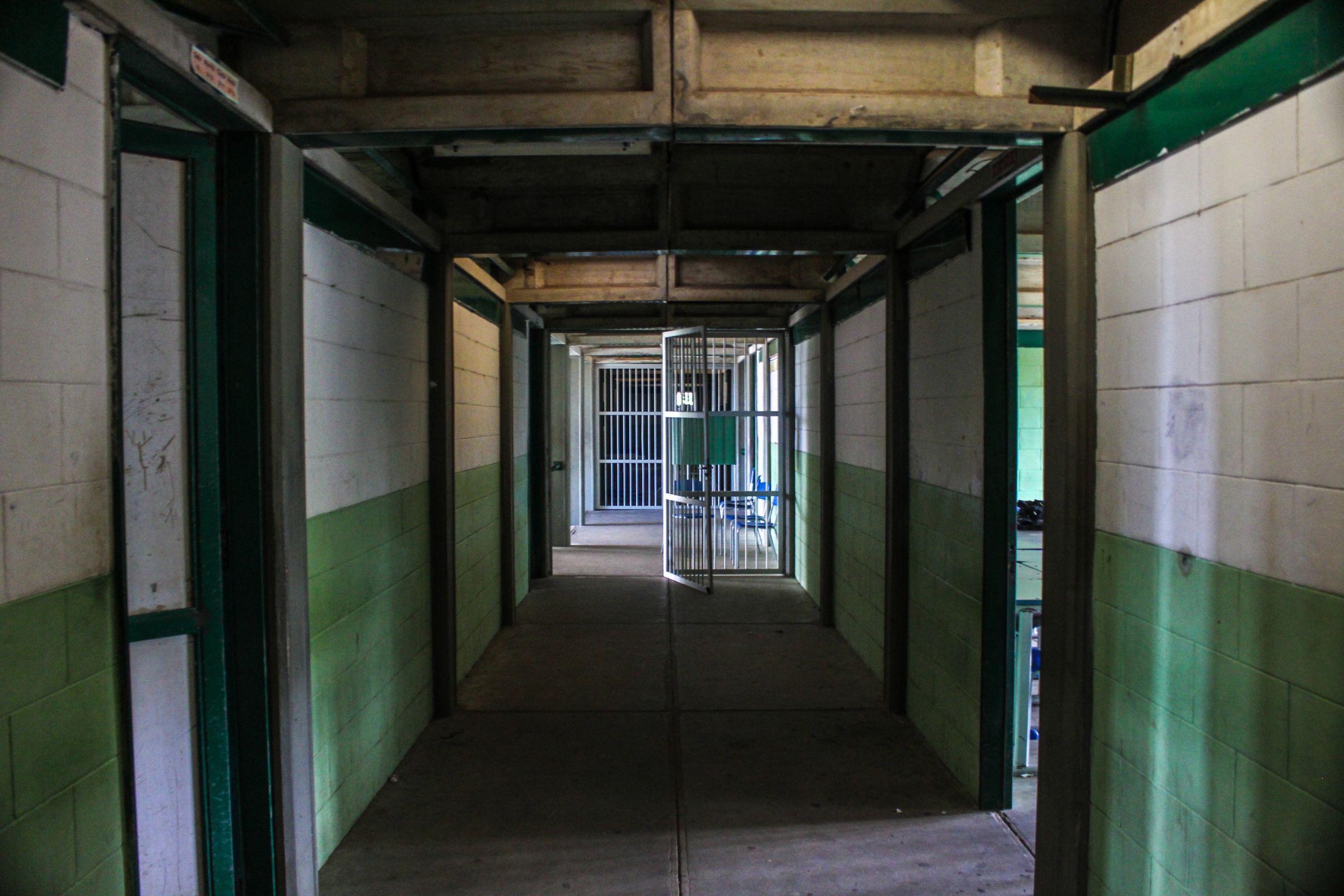
For a man whose legal troubles have kept him behind bars at Kgosi Mampuru Prison, Tuesday brought no release and no verdict. Peet Viljoen, the disbarred lawyer turned reality television personality, appeared once more in the Pretoria Specialised Commercial Crimes Court, where his R27 million property fraud case was postponed to 30 November.
The delay serves a practical purpose. Both his defence team and the prosecution confirmed that plea negotiations are still under way and that progress has been made. No final plea agreement has been announced, and the talks remain ongoing.
The case hanging over him is a heavy one. He faces nearly 400 charges, among them fraud, theft, forgery, uttering, and corruption. The allegations centre on the unlawful sale of 46 properties owned by the City of Johannesburg, municipal properties valued at approximately R27 million. The charges stem from conduct said to date back to 2010, and the case has drawn considerable public attention, largely because of Viljoen’s profile as a reality television personality and his former career as a lawyer.
For now, Viljoen remains in custody. His attempts to secure bail have come to nothing. In earlier appearances his legal team sought his release, but the court reportedly considered him a flight risk. So while the negotiations continue in consultation rooms, he waits in prison, presumed innocent until proven guilty.
The postponement to 30 November is intended to give both sides additional time for their discussions and for consultations with their respective clients. It will also allow Viljoen’s case to be heard alongside that of his co-accused, whose identity and circumstances the court proceedings have kept tied to his own.
What happens next depends on whether the two sides can reach a deal. A plea agreement, if reached and accepted by the court, could determine how the case proceeds. It could also decide whether Viljoen enters a guilty plea to any of the nearly 400 charges against him. Such an outcome would spare everyone involved a prolonged trial, though it would still require judicial scrutiny before it could take effect.
Neither side has signalled what form any agreement might take, or which charges, if any, would form part of it.
Meanwhile, the parties themselves will spend the coming weeks in consultation. Prosecutors must weigh the strength of their case across a charge sheet running to hundreds of counts, while the defence must advise a man who has already spent months in custody on what a negotiated end might look like. The court has given them until the end of the month.
Viljoen is expected back in the Pretoria Specialised Commercial Crimes Court on 30 November, when the parties will report on the state of their discussions. Until then, the charges stand, and the man at the centre of it all remains where he has been since his bail application failed: in custody, waiting to learn whether his case ends in a negotiated plea or in a trial on allegations stretching back more than a decade.