The rand’s slide to a one-year low has put the price of political uncertainty squarely in front of investors, with the currency trading at 17.56 against the dollar by 0540 GMT on Friday, hovering near its weakest level in 12 months. For a risk-sensitive currency already pressured by a firmer greenback flirting with a 19-month high, the unresolved coalition negotiations following local elections have added a distinctly domestic layer of risk.
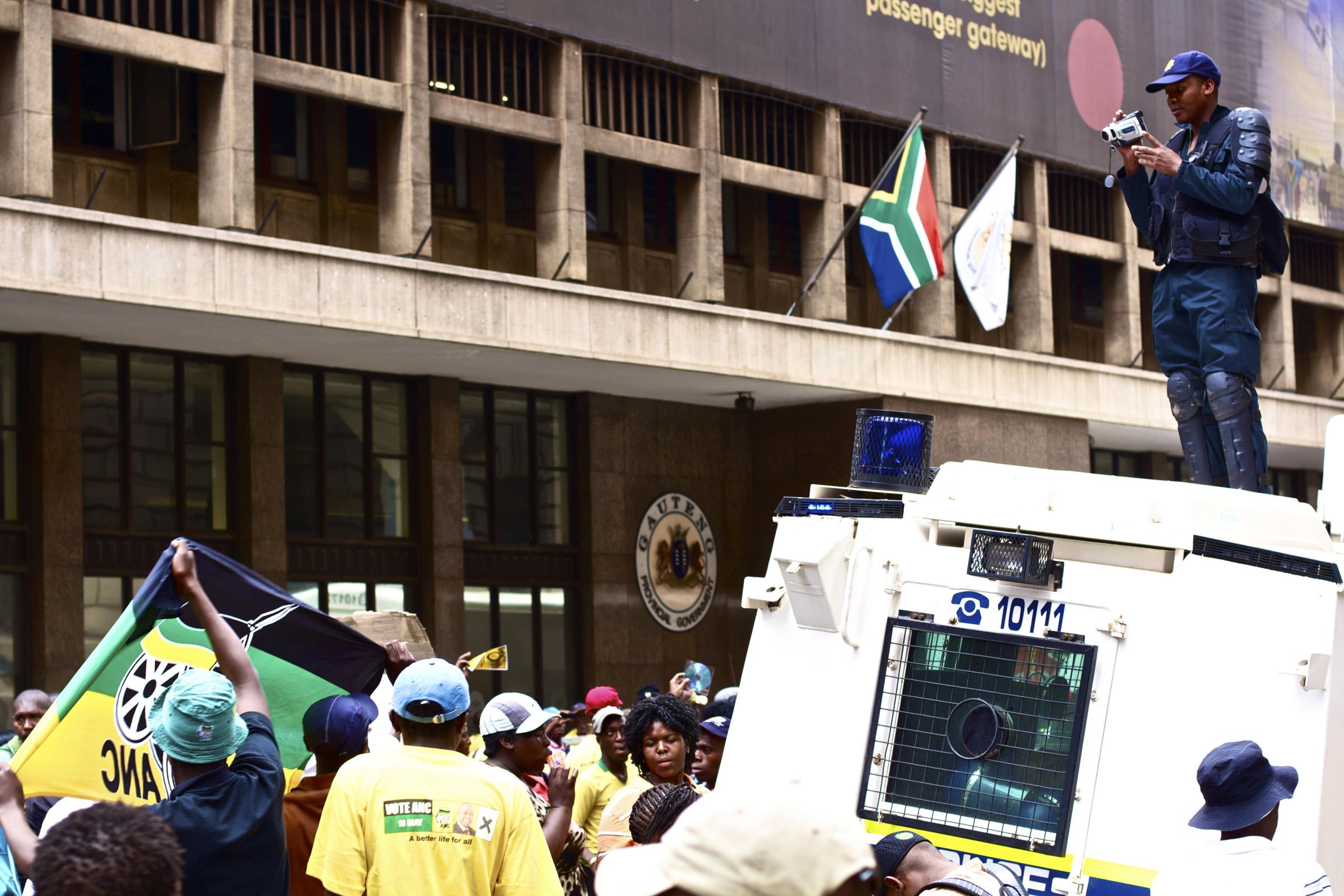
At the centre of the market’s attention is Johannesburg, South Africa’s economic hub, where the African National Congress and its partners are negotiating local power-sharing. The party is nearing a deal with smaller rivals to govern the city, a move that would sideline the pro-business Democratic Alliance despite its first-place finish in the metro. Investors are treating the outcome as a key test of whether increasingly fragmented politics can deliver stable governance where the country’s economic activity is concentrated.
The stakes reach beyond municipal politics. “Ousting the DA at the local government level could spill over into the GNU, potentially destabilising national politics and having more significant implications for investor sentiment,” the Bureau for Economic Research said in a weekly review note. That warning frames the coalition talks as more than a local bargaining exercise. The currency market is effectively pricing the risk that local power-sharing arrangements could unsettle the national government of national unity itself.
Meanwhile, monetary policy has added its own source of uncertainty. Thursday’s central bank decision to hold rates was a close call, with four Monetary Policy Committee members voting to keep the policy rate unchanged and three favouring a 25-basis-point increase. That hawkish split underscored persistent inflation concerns. For currency traders, it signalled that the policy outlook is less settled than a hold might suggest.
The result is a currency caught between external and domestic pressures. A stronger dollar has been a persistent drag on the rand in recent sessions, and the coalition negotiations have layered domestic political risk on top of it. The Bureau for Economic Research’s note, alongside the split rate decision, points to a market weighing two questions at once: whether the inflation picture will force tighter policy, and whether fragmented politics can still produce governable coalitions.
By contrast, the reaction in fixed income has been measured so far. South Africa’s benchmark 2035 government bond was steady in early deals, with the yield at 8.635%, suggesting bond investors have not yet repriced risk to the same degree as the currency market. Whether that calm holds may depend on how the Johannesburg negotiations resolve, and on whether the outcome stays contained at the local level or, as the Bureau for Economic Research cautions, spills into national politics with broader consequences for investor sentiment.
For market-watchers, the near-term calendar is straightforward. The rand’s level against the dollar, the shape of the governing coalition in Johannesburg, and the composition of the next Monetary Policy Committee vote all offer signals on where risk sits. Further detail on the currency’s move is available at https://www.cnbcafrica.com/2026/south-african-rand-near-one-year-low-with-coalition-talks-in-focus/, and the coming sessions will show whether the one-year low marks a floor or a waypoint as the coalition talks continue.