African governments and public institutions will have a dedicated platform at INTERMAT Paris 2027 to pursue the infrastructure their citizens depend on, as the international exhibition prepares a first-of-its-kind African Summit connecting public priorities with financing and equipment.
The summit is scheduled for April 22, 2027, within the wider exhibition running April 21 to 24 at Paris Nord Villepinte in France. Organisers expect 1,200 exhibitors and 150,000 visitors from 130 countries. The African Summit is designed to bring African governments, public institutions, financiers and international industry players together around investment and business opportunities across the continent.
Nine countries have been selected for particular attention: Nigeria, South Africa, Algeria, Côte d’Ivoire, Egypt, Kenya, Morocco, Senegal and Tunisia.
According to Akin Akinbola, managing director and chief executive officer of Promosalons Nigeria, Cameroon and Gabon, discussions will examine strategic infrastructure projects, equipment requirements, financing opportunities and development priorities across Africa, including long-term infrastructure prospects extending to 2050 and beyond. The summit will focus on unlocking investment opportunities in African construction markets, addressing infrastructure financing and equipment modernisation challenges, and examining how energy transition and technological innovation can accelerate development.
For Nigerians, the practical stakes are direct. Inclusion offers local construction companies, equipment suppliers, infrastructure developers and government institutions a chance to engage with international manufacturers, financiers and potential industrial partners. For African economies generally, and Nigeria in particular, the summit provides a way to connect infrastructure priorities with international expertise, financing and construction technologies as governments and private operators work to expand the capacity of roads, utilities and public works that citizens rely on daily.
Meanwhile, the wider exhibition is organised around sustainability, a theme with public consequences given the environmental footprint of construction. Five areas structure the event: earthmoving, demolition and transportation; roads, minerals and foundations; lifting and handling; building, civil engineering and concrete; and new technologies and new energies.
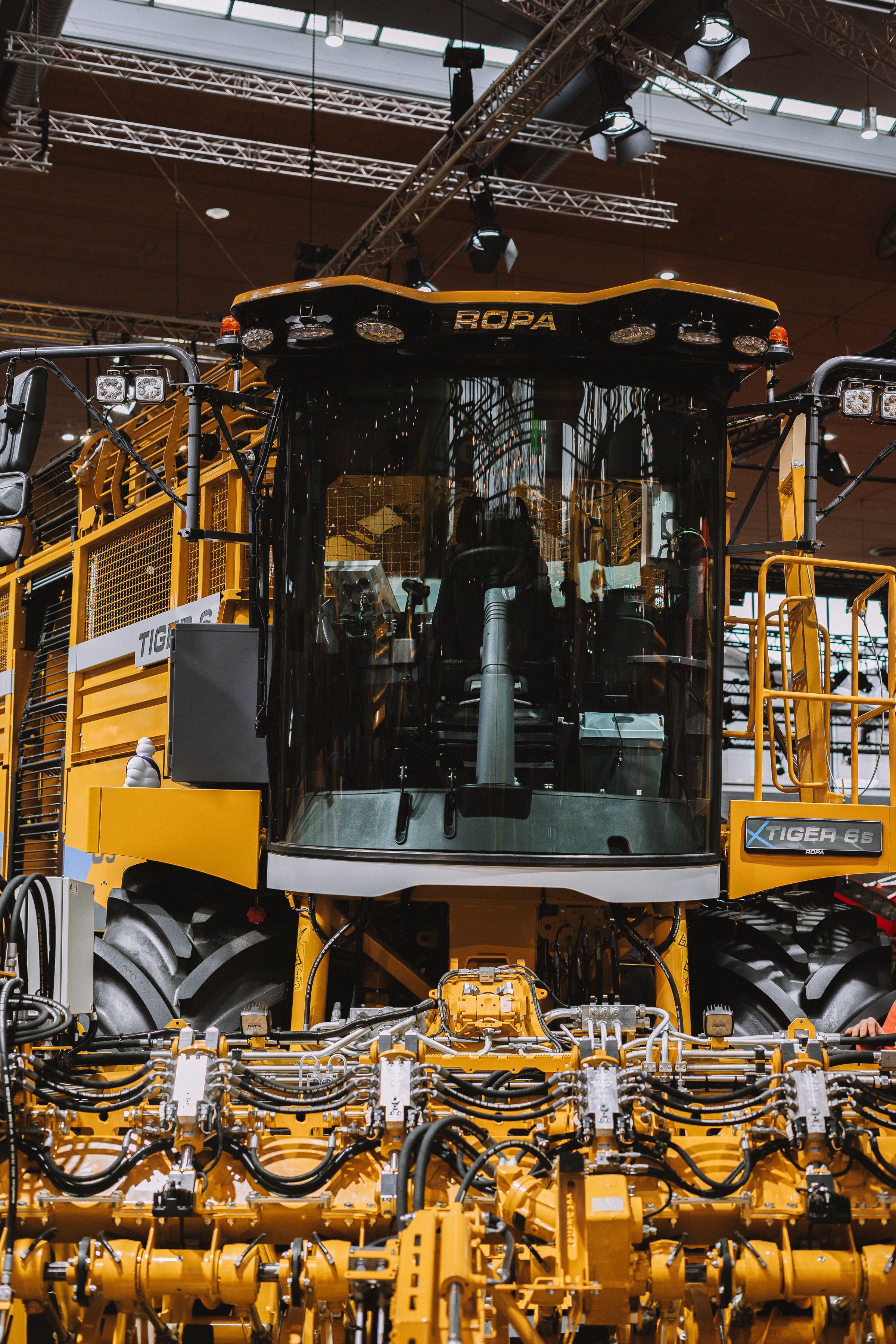
Innovation will feature prominently. More than 20 start-ups are expected to showcase technologies supporting the decarbonisation and digitalisation of construction sites, and an outdoor demonstration area will allow manufacturers to display machinery under operating conditions. The 10th INTERMAT Innovation Awards will recognise equipment, technologies and services advancing construction and infrastructure, with winners announced on April 21, the exhibition’s opening day.
The event will also host the fourth edition of World of Concrete Europe, expected to attract 200 exhibitors across the concrete value chain. Its programme includes demonstrations and a three-day forum from April 21 to 23 examining lower-carbon materials, alternative binders, prefabrication, recycled aggregates, automation and artificial intelligence. These subjects bear on the durability, cost and environmental impact of the built environment that shapes public life.
International equipment manufacturers expected at the exhibition include Liebherr, Volvo, JCB, Bobcat, Hitachi, Komatsu, SANY, Kobelco, Manitou and Wirtgen. A business-matching service will allow visitors to arrange appointments with exhibitors ahead of the event, a practical measure intended to make the exhibition more accessible to delegations and operators travelling from abroad.
The organising logic behind the African Summit reflects a broader recognition that infrastructure gaps across the continent require both capital and technology from beyond national borders. By placing African governments and public institutions in direct contact with financiers and manufacturers, the summit aims to shorten the distance between public development priorities and the resources needed to deliver them.
Whether the connections made in Paris translate into projects on the ground will depend on follow-through by the governments and institutions involved. For now, the summit gives African public authorities, including Nigeria’s, a scheduled, structured opportunity to present their infrastructure needs to a global industry audience gathered in one place.