Introduction
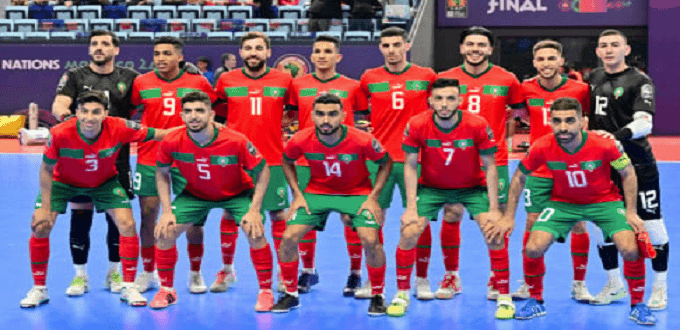
Football is far more than just a sport—it's a passion that unites millions of people across the world. In this context, certain nations have become football superpowers, like Brazil, Germany and France. Morocco, though recognised for its regional performances, harbours an ambitious dream: to break into the global top 10 in football. This goal looks achievable given the country's steady progress and growing investment in the sport.
Chasing this superpower status represents a major challenge for the Atlas Lions, but also an opportunity for Morocco to position itself among the world's football elite. The project demands not just work on player performance, but also strategic reorganisation across all levels of the national game.
For more: /
Morocco and football: a past with promise
Football in Morocco dates back to the 1920s with the arrival of clubs and the founding of the Royal Moroccan Football Federation in 1955. The country has experienced several periods of success and setback. The first major performances came in the 1970s and 1980s, with appearances at FIFA World Cups and Africa Cup of Nations tournaments.
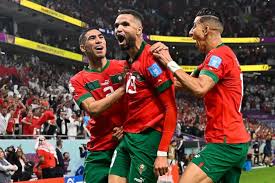
In 1986, Morocco became the first African nation to reach the quarter-finals of the FIFA World Cup, a historic achievement that captured the imagination. Yet the country failed to maintain its place among the world's leading nations. It took until 2022 for Morocco to pull off another feat, reaching the semi-finals of the World Cup in Qatar. This exceptional run reignited hope and fuelled Morocco's ambitions to enter the global top 10.
Morocco's strengths in its push for top 10 status
One of Morocco's main assets is its pool of talent. With players like Achraf Hakimi, Yassine Bounou, Sofiane Boufal and Hakim Ziyech, the country boasts undeniable quality competing in prestigious European clubs. These players bring invaluable international experience that makes Morocco a feared team on the world stage.
Moreover, Morocco is investing heavily in developing its young players. Academies such as the Mohamed VI Academy for Excellence are a clear example. These facilities allow young footballers to access quality training, preparing them to compete at the highest level.
Finally, institutional support for Moroccan football is increasingly visible. The Moroccan government has launched projects to develop sports infrastructure, particularly through building modern stadiums and renovating existing facilities. The aim is to give national teams the conditions they need to prepare properly.
The role of national teams in this rise
The performances of the Atlas Lions have been crucial to this momentum. Their 2022 World Cup run marked a turning point for Moroccan football. Under coach Walid Regragui, Morocco overcame formidable opponents including Belgium, Spain and Portugal, and pulled off a shock by reaching the semi-finals. This performance lifted Morocco up the FIFA world rankings and captured global attention.
Beyond the World Cup, participation in the 2021 Africa Cup of Nations and the 2026 World Cup qualifiers show a cohesive and ambitious team ready to fight for every position.
The challenges Morocco must overcome to reach the top 10
Despite its progress, Morocco still faces several hurdles to join the elite. Competition on the world stage is fierce, with nations like Brazil, Argentina, France and Germany entrenched at the top for decades.
Additionally, the Moroccan league, while constantly improving, still lags behind European leagues. Developing the domestic league and raising its competitive standard are essential to allow many Moroccan talents to flourish on home soil.
Morocco's strategic vision for becoming a football superpower
To achieve this goal, Morocco has put in place a strategic vision that includes youth development, modernising infrastructure and improving the quality of the domestic league. The country is also exploring partnerships with European clubs and academies to allow its young talents to gain experience and train alongside the world's best players.
The World's Greatest Sports Teams and Morocco's Quest to Reach the Global Top 10 in Football
The world's greatest sports teams have a long history, shaped by years of hard work, exceptional performances and strategic vision. In football, certain teams have dominated the international stage for decades. Nations like Brazil, Germany, France, Argentina and Spain hold an anchored place at the top of world football. These teams not only have world-class players but also world-class infrastructure, rigorous training systems and a tradition of success that constantly propels them to the highest positions in global rankings.
The Giants of World Football
- Brazil: The Football Empire
Brazil is undoubtedly one of the most iconic and dominant nations in world football. With five World Cup titles (1958, 1962, 1970, 1994, 2002), the country has captured the world's imagination. Legendary players like Pelé, Zico, Ronaldo, Ronaldinho and Neymar embody the heritage and innovation of Brazilian football. Brazil has a youth development system often seen as a model, with academies and clubs continuously producing exceptional talent. The country also has infrastructure among the world's best, allowing it to maintain its elite status on the international stage. - Germany: The Tactical War Machine
Germany, with four World Cup titles (1954, 1974, 1990, 2014), is one of the most consistent and feared teams in football history. What sets Germany apart from other nations is its methodical and pragmatic approach to football, where discipline, teamwork and tactical efficiency are key elements. The country has a tradition of producing versatile and robust players, capable of adapting to different game situations. Moreover, Germany's football infrastructure is among the world's best, with modern stadiums, quality training centres and a highly competitive football league. - France: The Team of Champions
France has enjoyed enormous success in recent decades, with two World Cup victories (1998, 2018) and a European Championship win (1984, 2000). The country has developed a youth training system through Clairefontaine, which is considered a global model. With talents like Thierry Henry, Zinedine Zidane, Kylian Mbappé and Antoine Griezmann, France has shown that the evolution of French football goes hand in hand with tactical innovation. The current team, led by top-level coaches, continues to be a threat on the world stage. - Argentina: The Soul of Football
Argentina is one of the most passionate football nations, and its sporting culture has produced some of the greatest players of all time, notably Diego Maradona and Lionel Messi. With two world titles (1978, 1986), Argentina has always been a team of talent, combining great creativity with the ability to handle pressure in big matches. The Argentine football system rests on strong traditional clubs, a rich football culture and a competitive infrastructure. Argentina's exceptional run at the 2022 World Cup is proof of this, and the country remains a feared team. - Spain: Possession Football and Tiki-Taka
Spain, with its 2010 World Cup victory and three European titles (1964, 2008, 2012), has been one of the most dominant teams of the 21st century. One pillar of Spain's success is its possession-based game, built on tiki-taka, a style characterised by short passes and ball control. Players like Xavi Hernández, Andrés Iniesta and Fernando Torres embodied this revolutionary style of play that influenced not just European football but world football. Spain has modern football structures, with a competitive national league (La Liga) that continuously nurtures new talent.
Morocco: Can It Join the Top 10?
Morocco, as an emerging nation in world football, dreams of joining the ranks of superpowers like Brazil, Germany, France or Argentina. While the task seems daunting, several factors suggest this goal is achievable.
- Promising Talent:
Morocco now has a generation of talented players competing in prestigious European clubs, such as Achraf Hakimi (Paris Saint-Germain), Yassine Bounou (Sevilla FC) and Sofiane Boufal (Angers SCO). These players, alongside young local talents, represent a pool of quality that can bring the team to a high competitive level. The progress these players make at their respective clubs, where they face the world's best teams, prepares them to shine on the international stage. - Solid Training Systems:
One key to Morocco's success lies in its training system. The Mohammed VI Academy and other youth development projects are crucial steps in securing a bright future for Moroccan football. The country is also investing in improving its sports infrastructure, which is an important lever for football growth at the national level. It is essential that young talents have access to modern facilities and are supported by qualified coaches. - A Winning Mentality:
Morocco showed at the 2022 World Cup that it is capable of competing with the world's best teams. By reaching the semi-finals, the Moroccan team proved it is ready to take on football's giants. Teamwork, determination and tactical discipline are assets Morocco can use to climb the world rankings. - Institutional and Government Support:
The Moroccan government has shown growing interest in football development by investing in infrastructure and sports management. This political will to improve Moroccan football, with particular focus on training and improving domestic competitions, is an encouraging sign. If this momentum continues, it could allow the country to strengthen its position on the world stage.
However, for Morocco to reach the top 10, it must still overcome several challenges. Competition from the world's great teams remains intense, and the country must maintain consistency in its international performances. It will also need to invest more in the domestic league to improve internal competitiveness, attract more talent and prepare to face the best teams on a regular basis.
Conclusion: An Ambitious but Achievable Dream
Morocco's dream of entering the global top 10 in football is ambitious, but not impossible. The country has the human resources and talent needed to get there, provided it continues to invest in training, infrastructure and maintains a coherent strategic vision. The exceptional performance of the Atlas Lions at the 2022 World Cup proved they are capable of competing with the world's best teams. Morocco is on the right track, but to definitively enter the top 10, it must not only perform on the world stage but also strengthen its domestic league and improve talent management.
Ultimately, with sound planning, continued investment and a clear strategy, Morocco could well realise its dream of becoming a football superpower in the years ahead.
External links: