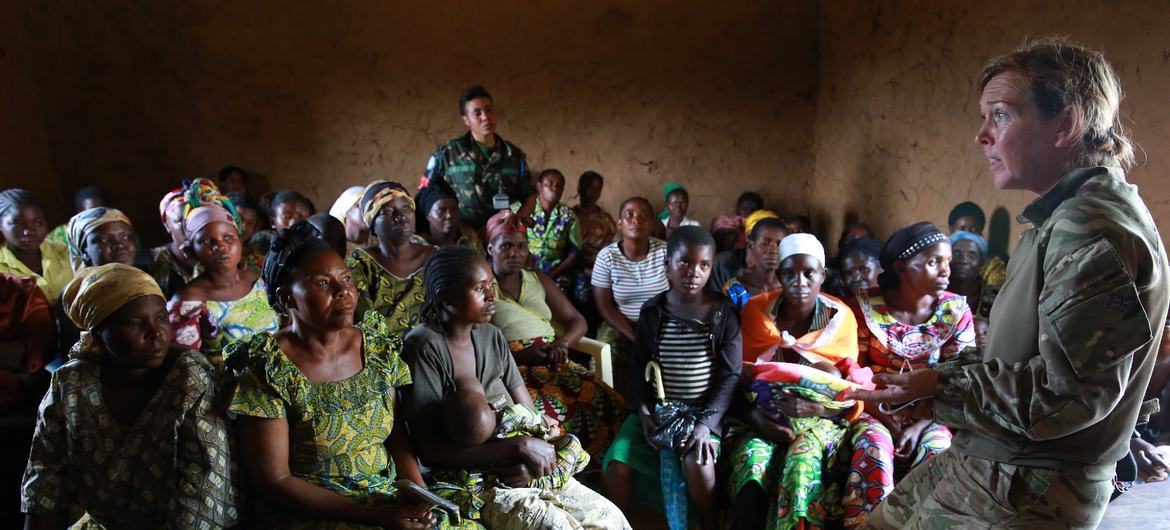
The peace agreement signed between the Democratic Republic of Congo (DRC) and Rwanda has drawn mixed reactions, particularly in areas controlled by rebel groups. This article explores the challenges and doubts surrounding how this agreement will actually work on the ground.
Introduction
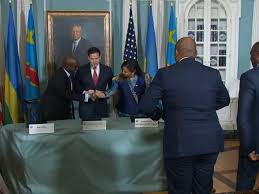
The recent peace agreement between the Democratic Republic of Congo (DRC) and Rwanda, signed in Washington, has sparked divided responses. While some see the deal as a glimmer of hope for peace in the Great Lakes region, others—particularly in rebel-controlled areas—are sceptical about whether it will actually be implemented. This article examines the obstacles facing the peace process, looking at both the political and humanitarian implications of the agreement.
The Historical Background to DRC-Rwanda Relations
Relations between the DRC and Rwanda have been shaped by decades of conflict, particularly following the 1994 Rwandan genocide, which left deep scars across the region. The DRC, then known as Zaire, became a refuge for Hutu extremists fleeing Rwanda. This sparked a series of conflicts that continue to affect both countries today. Over the years, Rwanda has been accused of backing rebel groups in the DRC, while the DRC has accused Rwanda of meddling in its internal affairs. These historical tensions have made it hard to build lasting peace between the two nations.
Despite these obstacles, international players have pushed for peace talks between the DRC and Rwanda. The Washington agreement is seen as a turning point, but many remain doubtful about whether it can address the deep-rooted problems between the two countries.
Key Elements of the Peace Agreement
The peace agreement includes several important provisions aimed at easing tensions and restoring stability to the region. A major point is both countries' commitment to stop backing rebel groups and to disarm militias operating in border areas. The agreement also calls for joint efforts to rebuild communities devastated by war and to boost cross-border trade and cooperation.
While these provisions matter, the real test is putting them into practice. What's happening on the ground, especially in rebel-held areas, suggests reaching these goals could be tough. The peace agreement needs buy-in from all sides, including groups that have long resisted government control, which makes implementation complicated.
Challenges in Implementing the Peace Agreement
A major hurdle is widespread distrust among people living in rebel-controlled zones. For many, the DRC government and Rwanda are seen as foreign powers that have exploited the region for political and economic gain. Armed rebel groups and the lack of central authority in these areas create serious obstacles to making the agreement work.
Moreover, the peace agreement does not adequately address the underlying social and economic grievances that fuelled the conflict. Issues like poverty, lack of education and poor health services continue to fuel instability, and these cannot be solved by a political agreement alone. Without tackling these problems, the peace agreement is unlikely to bring lasting peace to the region.
International Reaction to the Agreement
The international community has largely welcomed the peace agreement, with organisations like the United Nations and the African Union praising the DRC and Rwanda's efforts. However, some human rights groups have raised concerns that the agreement does not do enough to protect civilians in rebel-held areas. These groups argue that the peace process must be inclusive, bringing in all stakeholders—including local communities and armed groups—to ensure civilian rights and safety are protected.
International donors and peacekeeping forces will also play a crucial role in making the agreement succeed. UN peacekeepers could help provide security during the transition period, but their effectiveness will depend on cooperation from local authorities and rebel groups.
The Humanitarian Toll in Rebel-Held Areas
In regions still controlled by rebel groups, the humanitarian situation remains dire. Millions have been displaced by the conflict, and access to basic services like healthcare, education and clean water is severely limited. The peace agreement has raised hopes, but it has also sparked fears of fresh violence and reprisals against civilians caught in the crossfire.
In these areas, local people remain uncertain about what comes next. Many doubt whether the DRC government and Rwanda can enforce peace without a strong local presence. Distrust of both governments also means many communities are reluctant to join the peace process, worried they will be left out of decision-making.
What Lies Ahead for the Peace Process?
Despite the scepticism surrounding the peace agreement, the DRC and Rwanda have committed to pushing the process forward. But the road ahead will be rocky. Getting rebel groups to stick to the agreement's terms will require serious commitment from both governments, as well as international players who can provide support and hold everyone accountable.
Rebuilding communities destroyed by war will also be a long and difficult task. Without addressing the root causes of the conflict, the peace agreement is unlikely to bring lasting stability to the region. The international community, including the UN and regional organisations, will need to provide ongoing support to make the agreement work.
Conclusion
While the peace agreement between the DRC and Rwanda offers a glimmer of hope for the region, whether it will succeed remains unclear. The challenges of implementing it in rebel-held areas, the need to tackle the root causes of conflict and the need to protect civilians are all major hurdles to overcome. Only time will tell whether this agreement leads to lasting peace or whether the region slides back into violence.
🌐 For more on this story:
- Reuters on the DRC-Rwanda agreement
- The Guardian – Critical analysis of the agreement
- BBC / The Star – Reactions from Goma
- Global Press Journal – Local hope and scepticism
Thanks for reading. You can visit our website to follow all the latest news. africaciviclens.com