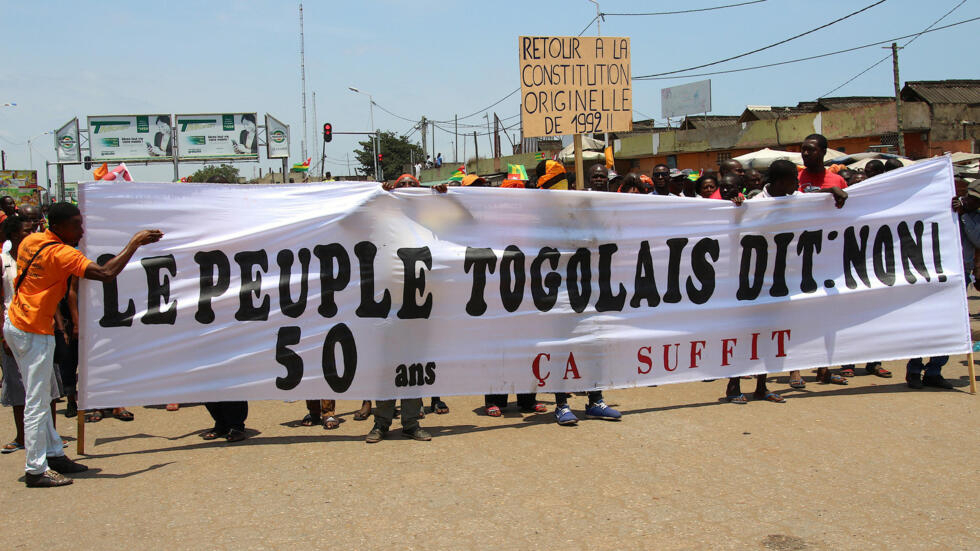
In late June 2025, Lomé, Togo's capital, saw an unprecedented mobilisation called "Hands Off My Constitution", driven by young people, trade unions, influencers and the diaspora. Protesters were called to the streets from 26 to 28 June, demanding Faure Gnassingbé step down and opposing a constitutional reform that would allow the president to hold power indefinitely :contentReference[oaicite:1]{index=1}.
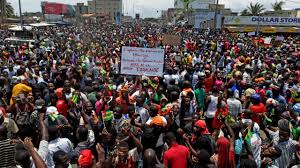
What's happening in Togo? The stakes and toll of anti-Gnassingbé protests
Togo at a crossroads: hopes for change through anti-Gnassingbé protests in 2025
🔍 Why do these protests matter in Togo?
- Power concentrated in one place: Gnassingbé was appointed Prime Minister in early June, a position with no term limits that many see as a "constitutional coup" :contentReference[oaicite:2]{index=2}.
- Cost of living crisis: young people are angry about rising electricity prices and lack of jobs despite weak economic growth :contentReference[oaicite:3]{index=3}.
- Dynasty rule: the Gnassingbé family has run Togo since 1967. Faure took over from his father Eyadéma in 2005, a continuity that's drawing growing rejection :contentReference[oaicite:4]{index=4}.
🩸 The human cost and official responses
According to civil society and human rights organisations:
- At least seven people died, including three bodies found in lakes and lagoons around Lomé :contentReference[oaicite:5]{index=5}.
- Dozens were injured by tear gas, beatings, and attacks by plainclothes officers or militia :contentReference[oaicite:6]{index=6}.
- More than sixty arrests were reported over the three days of protests :contentReference[oaicite:7]{index=7}.
The government downplays these figures: it mentions two deaths by drowning and says no deaths resulted from the crackdown on protesters :contentReference[oaicite:8]{index=8}.
⚔️ Crackdown and on-the-ground response
Security forces — gendarmes, police and military units — used tear gas, batons, and carried out house raids in opposition strongholds like Bé :contentReference[oaicite:9]{index=9}. Witnesses describe violent scenes, including masked militia in civilian clothes :contentReference[oaicite:10]{index=10}.
🌍 Regional stakes and calls for international action
Togo's crisis fits into a broader pattern of democratic backsliding across West Africa, where governments extend their grip through constitutional changes :contentReference[oaicite:11]{index=11}.
Voices are calling for an international investigation into the violence and use of force, led by the opposition and NGOs :contentReference[oaicite:12]{index=12}.
🔮 What lies ahead
The "Hands Off My Constitution" coalition has already announced more rallies. The government is caught between attempts at calm and strict order: partial internet shutdowns, information blackouts, targeted arrests.
If the protests continue, weak national dialogue could push the country into lasting instability, fuel emigration, or trigger intervention from regional bodies like ECOWAS, keen to prevent a major political crisis.
🗣️ The voice of Togo's youth
Young Togolese are driving these protests in Togo. Hit hard by joblessness, insecurity and no future prospects, they're mobilising in large numbers against Faure Gnassingbé's rule. Many denounce a locked-down system where freedoms are squeezed, where the internet in Togo is regularly cut during tense periods, and where calls for more democracy in Africa often go unheard. This engaged generation is demanding real political change and dreaming of a Togo that is fairer, more transparent, and more inclusive.
🧭 Find out more
- Details on the death toll (Reuters).
- Video of violent scenes (DW).
- Report on Togo's youth.
- Call for an international inquiry (Mediapart).