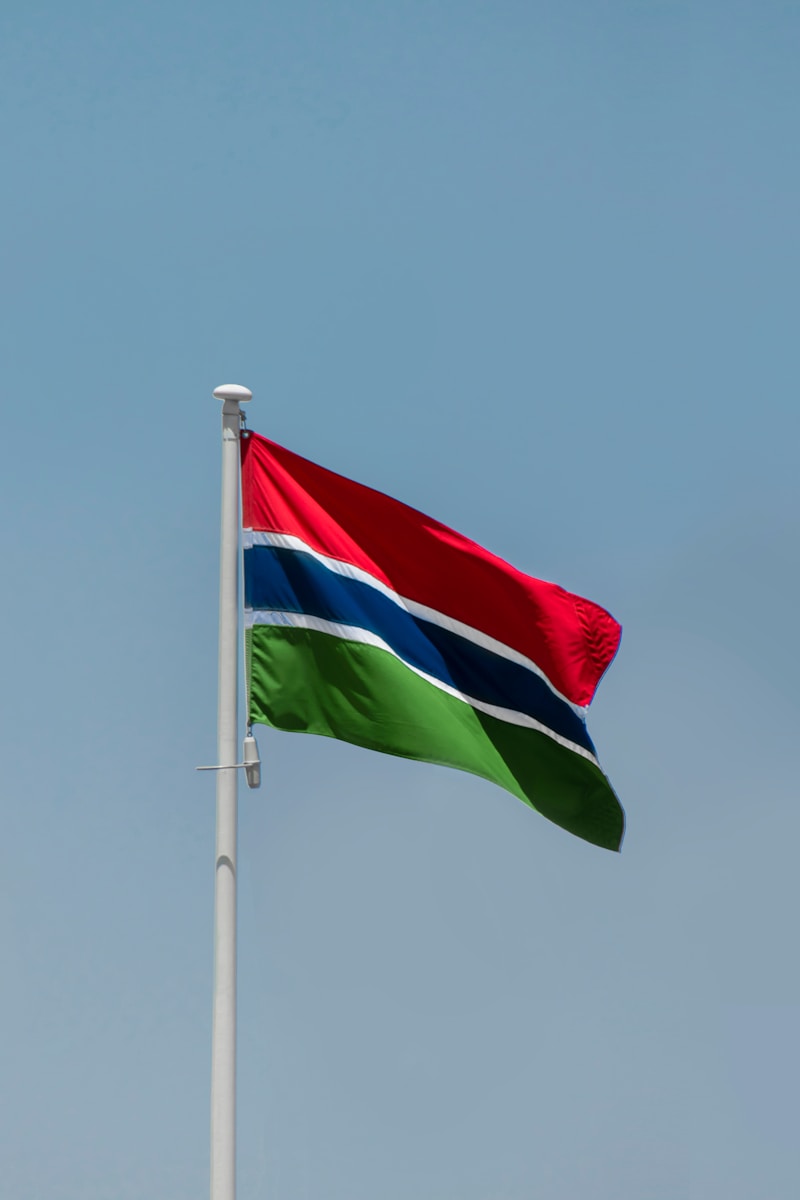
Gambia, one of West Africa’s most dynamic nations, has been on a journey of constitutional reform since the end of Yahya Jammeh’s authoritarian rule in 2017. The promise of a new democratic era was embodied in the draft of a new constitution designed to strengthen the rule of law, protect human rights, and establish a more inclusive government structure. However, despite the enthusiasm surrounding these reforms, the process has come to a halt. This article examines five key reasons why Gambia’s new constitution remains at an impasse.
1. Political Polarization and Partisan Divides
One of the major hurdles in Gambia’s constitutional reform process is the deep political polarization that divides the country. Political parties and actors, particularly those aligned with the previous regime and those advocating for change, have struggled to find common ground. This divide is not just ideological but deeply entrenched in the country’s political culture.
The reform process, initially presented as a unifying effort, has been marred by political infighting and power struggles. Different political factions have put forward competing demands, often prioritizing party interests over the greater good of the country. For instance, the opposition parties have expressed concerns about certain provisions in the draft constitution that they view as too favorable to the ruling party. On the other hand, the government has been reluctant to cede power, particularly in areas related to executive authority and presidential term limits.
These disagreements have stalled progress, as lawmakers struggle to pass a consensus-driven document. The lack of political will to compromise has left the country in a state of limbo, where the much-needed constitutional reform is at a standstill.
2. Controversial Presidential Term Limits
One of the most contentious issues in the new Gambian constitution has been the question of presidential term limits. The draft constitution proposed a limit of two presidential terms, which was seen as a major step toward curbing executive power and preventing any future leader from staying in power for extended periods, as was the case with the former president, Yahya Jammeh, who ruled for 22 years.
However, this provision has been met with strong resistance from certain political figures, including some members of the current administration. Some argue that the term limit is too restrictive and may prevent capable leaders from serving beyond two terms. Others feel that the provision is an unnecessary political concession that could limit the power of the president in a way that hampers effective governance.
These debates over term limits have created a significant impasse, as both sides remain entrenched in their positions, making it difficult to reach a compromise. The disagreement over this fundamental issue continues to block the path to a new constitution that is widely accepted by all Gambians.
3. The Role of the Military and Security Forces
Another major obstacle to the constitutional reform process in Gambia is the question of the role of the military and security forces in politics. Under the previous regime of Yahya Jammeh, the military played a crucial role in maintaining the government’s power, often using force and intimidation to suppress opposition. The fear of a military coup or undue interference in civilian governance remains high in the country.
The new constitution seeks to limit the political influence of the military and place greater emphasis on civilian rule. However, many of the country’s military leaders remain hesitant to relinquish their political influence. The issue of demilitarizing Gambian politics and ensuring that the military respects civilian authority has been a major sticking point in the reform process.
Some lawmakers and political leaders have expressed concerns that weakening the military’s influence could leave the country vulnerable to external threats or internal instability. As a result, proposals to reform the military and redefine its role in a democratic society have been met with resistance, further prolonging the constitutional reform process.
4. Unresolved Legal and Judicial Reforms
A strong, independent judiciary is one of the pillars of a functioning democracy, yet Gambia’s judicial system remains riddled with corruption, inefficiencies, and a lack of trust from the public. The reform of the judiciary is a key component of the new constitution, aimed at creating an independent system that can fairly adjudicate cases without interference from political actors or the executive branch.
However, the country has struggled to address these issues effectively. Reforms to the judiciary have faced delays due to resistance from entrenched political and legal elites who benefit from the current system. Furthermore, the lack of qualified legal professionals, limited resources, and the absence of comprehensive judicial reforms have all hindered the creation of a transparent and accountable justice system.
This failure to resolve legal and judicial reforms has serious implications for the constitutional process, as a weak judiciary would undermine the effectiveness of any new constitution. Without a functional and independent legal system, the principles of justice and equality enshrined in the constitution would remain nothing more than aspirations, rather than practical realities.
5. Public Disillusionment and Lack of Trust
The final reason for the deadlock in Gambia’s constitutional reform process lies in the growing disillusionment among the public. The initial optimism following the fall of Jammeh’s regime has gradually given way to frustration as promised reforms have stalled. The lack of progress on the new constitution, combined with ongoing economic challenges and persistent issues of governance, has led many Gambians to question the political elite’s commitment to meaningful change.
The public’s lack of trust in the reform process has led to waning support for the government and its initiatives. Many citizens feel that political leaders are more focused on preserving their power than on creating the democratic system that was promised during the transition period. This erosion of public confidence has made it more difficult for reformists to build the broad-based support necessary to push the new constitution through.
Furthermore, the failure to involve ordinary citizens in the drafting process has led to a disconnect between the government and the people. Many Gambians feel that their voices have not been adequately heard in the ongoing discussions, making it harder for the reform process to gain momentum.
The Way Forward: Navigating the Roadblocks
The constitutional reform process in Gambia remains at a crossroads, but it is not without hope. To overcome the deadlock, it is crucial that all political actors put national interests ahead of partisan concerns and work toward finding common ground. Key issues such as presidential term limits, the role of the military, and judicial independence must be addressed in a way that ensures the new constitution is both democratic and functional.
Additionally, it is essential to restore public trust in the process by involving citizens in meaningful ways. Public consultations, education campaigns, and greater transparency in the drafting process can help re-engage the population and generate support for the final document.
The international community can also play a critical role by offering technical and financial support for the reform process. Encouraging external actors to provide assistance, while respecting Gambia’s sovereignty, could help move the process forward in a more sustainable and inclusive manner.
Conclusion: A Critical Turning Point for Gambia
The failure to finalize a new constitution represents a critical juncture in Gambia’s democratic journey. The country’s future depends on the successful adoption of a constitution that reflects the aspirations of its people and promotes accountability, justice, and good governance. While significant challenges remain, Gambia’s experience with constitutional reform also offers valuable lessons on the complexities of transitioning from autocracy to democracy.
The process may be stalled, but it is far from over. Gambia must continue its efforts to overcome these obstacles and push for the completion of the reform process. The stakes are high, and the nation’s ability to move forward into a new era of democratic governance hinges on the success of this constitutional reform.
For more news: africaciviclens.com