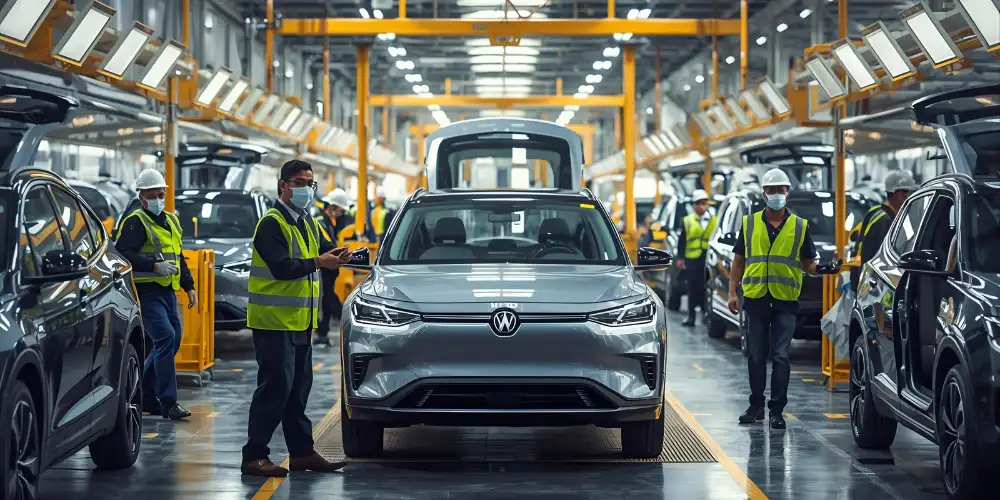
South Africa is taking a strategic step to enhance its electric vehicle (EV) industry by engaging in partnerships with leading Chinese automakers, particularly BYD. This initiative comes at a crucial time as demand for electric and hybrid vehicles is rapidly increasing across the country, reflecting a significant shift towards sustainable mobility and environmental responsibility.
The Rise of Local EV in South Africa
The South African government has identified the expansion of the Local EV sector as a top priority. By promoting electric and hybrid vehicles, the country aims to reduce dependence on fossil fuels, cut carbon emissions, and improve urban air quality. Public awareness campaigns and incentives for EV adoption are part of a comprehensive plan to integrate greener transportation solutions across cities like Johannesburg, Cape Town, and Durban.
Government Incentives and Policy Support
Policies supporting Local EV growth include tax reductions for electric vehicle buyers, import duty adjustments, and grants for manufacturers investing in local production. These measures are intended to make EV ownership more accessible while encouraging the establishment of local production plants by global companies. According to the Department of Trade, Industry, and Competition, these policies have already attracted several Chinese EV firms to consider establishing factories in South Africa.
BYD’s Role in Expanding Local EV Manufacturing
BYD, a leading Chinese electric vehicle manufacturer, has emerged as a pivotal partner in South Africa’s plan to expand its Local EV market. The company is preparing to introduce models like the Atto 3 and Dolphin Surf while setting up local assembly lines. With BYD’s investment, the country expects to increase EV production capacity significantly, potentially creating thousands of new jobs in the automotive sector.
Partnerships and Technology Transfer
Beyond producing vehicles locally, BYD is committed to technology transfer initiatives, ensuring that South African engineers and technicians gain experience in EV design, battery management systems, and sustainable manufacturing practices. This collaboration supports a long-term vision where the country can maintain technological independence while contributing to the global electric vehicle supply chain.
Challenges Facing Local EV Growth
Despite the promising outlook, several challenges must be addressed to ensure sustainable Local EV growth. Infrastructure limitations, including the insufficient availability of public charging stations and grid capacity constraints, pose significant hurdles. Moreover, the initial cost of electric vehicles remains high, which can slow adoption rates among middle-income consumers.
Market Education and Consumer Awareness
Educating the public about the benefits and reliability of Local EVs is essential. Initiatives such as test-drive events, public EV showcases, and educational campaigns aim to overcome consumer skepticism. By improving awareness and demonstrating the long-term cost savings and environmental benefits of electric vehicles, the government and private sector hope to accelerate adoption rates.
Collaboration with Other Chinese Automakers
In addition to BYD, other Chinese companies such as Chery and Great Wall Motors are exploring opportunities to enter the South African market. These partnerships not only diversify the available Local EV models but also contribute to competitive pricing, improved technology, and local employment opportunities. International collaborations play a critical role in supporting South Africa’s ambition to become a regional hub for electric vehicles.
Regional and Global Market Impact
The growth of Local EV manufacturing in South Africa could also influence the wider African market. By establishing assembly plants and supply chains locally, South Africa may export electric vehicles to neighboring countries, creating a ripple effect that promotes sustainable transportation across the continent. Global automakers and investors are closely watching these developments to identify emerging opportunities in Africa.
Future Outlook for Local EV
Experts predict that South Africa’s Local EV sector will experience substantial growth in the next decade. The number of electric vehicles on South African roads is expected to increase dramatically, supported by the expansion of charging infrastructure and favorable government policies. The combination of local production, international partnerships, and consumer adoption creates a strong foundation for a thriving EV industry.
Sustainability and Environmental Benefits
Expanding Local EV production contributes directly to South Africa’s climate goals. Reduced carbon emissions from vehicles, lower urban pollution levels, and increased energy efficiency are among the key environmental benefits. The government’s long-term strategy aligns with global sustainability targets, positioning South Africa as a leader in green transportation in Africa.
Conclusion
The collaboration between South Africa and Chinese automakers, led by BYD, represents a major milestone in the development of the Local EV industry. By investing in production, infrastructure, and technology transfer, the country is poised to establish itself as a regional leader in electric and hybrid vehicles. These efforts not only support economic growth and job creation but also advance environmental sustainability and innovation.
According to a recent report by Reuters, South Africa is currently in negotiations with Chinese automakers to expand Local EV production, with one company expressing strong interest in building vehicles locally (see more at Reuters). click here.
For more news, click here.