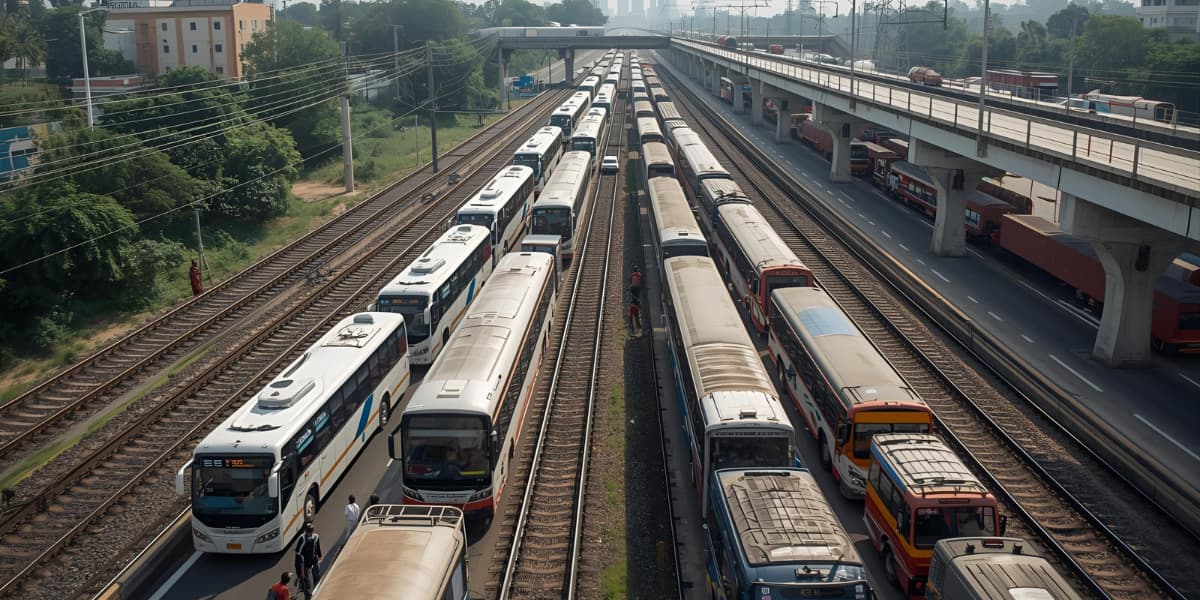
Transportation is the backbone of economic growth, connecting people, goods, and services across vast distances. Africa transportation is entering a transformative era, with Nigeria leading several initiatives that could redefine mobility across the continent. From modern rail networks to smart urban transit, the future of transportation promises efficiency, sustainability, and connectivity for millions.
1. Expansion of Rail Infrastructure
Rail transport in Nigeria and other African nations is undergoing a revival. Africa transportation highlights projects like Lagos-Kano rail expansion and East African standard gauge networks. These initiatives aim to reduce travel times, improve cargo transport, and enhance regional integration, creating new economic corridors that boost trade and employment opportunities.
2. Rise of Electric Mobility
Electric vehicles (EVs) are gaining traction as governments promote sustainable alternatives. Africa transportation shows that Nigeria is investing in EV infrastructure, from charging stations to incentives for manufacturers. The shift to electric mobility reduces carbon emissions, encourages clean energy adoption, and positions African cities as leaders in green innovation.
3. Smart Urban Transit Systems
Urban areas face congestion, pollution, and inefficiency. Africa transportation emphasizes the adoption of smart transit solutions such as app-based bus services, metro expansions, and real-time traffic monitoring. These systems improve commuter experience, reduce travel time, and enhance city planning, making urban transport more reliable and environmentally friendly.
4. Development of Smart Highways
Smart highways are being introduced to improve road safety and efficiency. Africa transportation highlights initiatives in Nigeria and South Africa where digital signage, traffic sensors, and automated tolling systems are integrated into major road networks. These technologies enhance monitoring, reduce accidents, and streamline logistics, making road transport more reliable and efficient.
5. Integration of Multi-Modal Transport
Combining rail, road, air, and maritime systems is key to modern mobility. Africa transportation emphasizes multi-modal hubs that connect ports, rail stations, and airports seamlessly. This integration reduces transit times, lowers transportation costs, and encourages regional trade, supporting Africa’s ambition to become a global logistics hub.
6. Investment in Sustainable Logistics
Logistics and freight systems are evolving to meet environmental and economic goals. Africa transportation showcases projects promoting electric trucks, optimized supply chains, and renewable energy-powered warehouses. Sustainable logistics not only reduces the carbon footprint but also strengthens Africa’s competitiveness in global markets, attracting investors and boosting economic growth.
7. Adoption of Mobility-as-a-Service (MaaS)
Mobility-as-a-Service platforms are changing the way people access transportation. Africa transportation shows that app-based ride-sharing, subscription-based transit, and integrated payment systems are gaining popularity. These innovations increase convenience, reduce travel costs, and encourage efficient use of transport infrastructure across urban and rural areas.
8. Drone and Aerial Transport Solutions
Drone technology is increasingly used for cargo delivery, medical supplies, and remote logistics. Africa transportation highlights initiatives in Nigeria and Ghana where drones provide timely access to hard-to-reach areas. Aerial transport reduces dependence on traditional road networks, speeds up deliveries, and enhances emergency response capabilities.
9. Policy and Regulatory Frameworks
Effective regulation is essential for safe and sustainable transportation. Africa transportation reports that governments are introducing policies to support innovation, safety, and environmental standards. For detailed insights, see World Bank analysis on Africa transportation infrastructure. Clear frameworks encourage investment, protect consumers, and ensure long-term viability of new transport technologies.
10. Preparing for a Connected Future
The future of mobility in Africa depends on seamless connectivity and technological integration. Africa transportation emphasizes the importance of digital infrastructure, smart planning, and public-private partnerships. By embracing innovation today, Nigeria and other African nations can build resilient, efficient, and sustainable transport systems for generations to come.
Conclusion
Africa transportation is entering a transformative era marked by technology, sustainability, and strategic investment. From rail expansion to smart highways and drone logistics, the continent is reshaping mobility for a modern economy. For readers seeking a deeper analysis of transportation innovation across Africa, see our related article on Africa smart transport initiatives. Understanding these trends ensures better planning, policy-making, and economic growth.