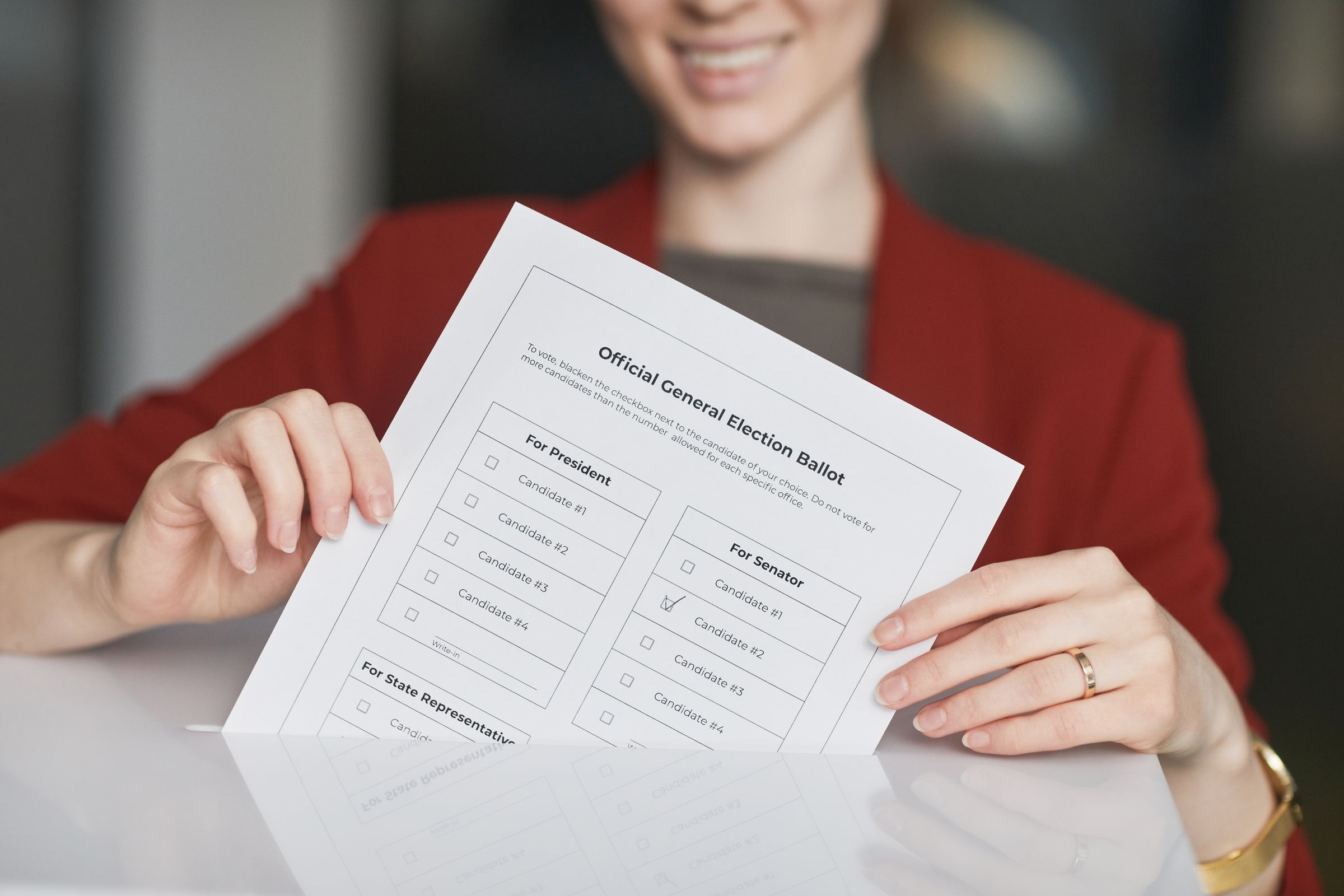
South Africa’s Electoral Commission published final results on Sunday showing the ruling African National Congress falling below 31% of the vote in Wednesday’s municipal elections, its worst showing ever. The tally confirmed that the ANC lost its majority in six of the country’s eight metropolitan regions, leaving no outright winner in several major cities and forcing politicians into coalition negotiations to form municipal governments.
The result places the accountability of office-holders at the center of the national debate. The Democratic Alliance, the ANC’s closest rival, won just under 25% of the vote nationally and secured an absolute majority in Cape Town, allowing it to retain control of the city without a coalition. The pro-business, center-right party also performed strongly in the capital, Pretoria, and in Johannesburg, the economic hub, and is expected to build coalitions that exclude the ANC.
Within the ANC, senior officials have acknowledged the scale of the setback. Secretary-General Fikile Mbalula told reporters on Saturday that the party must work to win back public confidence. “We cannot ask the people to trust us merely because of our history,” he said, describing the outcome as “very catastrophic” for the movement even though it remains the largest party. President Cyril Ramaphosa, who leads the ANC, has not yet addressed the performance directly, but in his weekly presidential letter he conceded that “municipal failures have contributed to declining public trust and confidence in democratic governance.”
That admission points to the core governance problem. Many South Africans are frustrated by water and electricity shortages, and the ANC has taken much of the blame for the poor state of municipal administration. High unemployment, crime and widespread corruption also rank high on the public agenda, and the party’s decline has unfolded amid disillusionment over corruption and mismanagement. Smaller parties have emerged across the political landscape, steadily cutting into the ANC’s voter base.
The trajectory is a long one. The ANC, once led by Nelson Mandela, the country’s first Black president and a Nobel laureate, was instrumental in ending apartheid and took power in 1994 when South Africa became a democracy. It governed with an absolute majority for most of its history until the 2024 general election, when it lost an outright parliamentary majority for the first time in the democratic era, securing just over 40% of the national vote after taking 46% at the previous municipal elections in 2021. After that loss, the ANC formed a cross-party national unity government with all parties represented in parliament, which remains in power.
Analysts see the municipal result as a warning about the party’s authority going forward. “This is the most severe result that the ANC would have feared,” political analyst Daniel Silke told the AFP news agency on Friday. “It’s the ANC’s worst result in history,” he added, noting that the outcome will undermine the party’s ability to exert authority at both the local and national level, and could serve as a bellwether of voter sentiment ahead of the 2029 general elections. Further detail on the result is available at https://www.dw.com/en/south-africa-elections-anc-marks-its-worst-ever-performance/a-79887482.
For now, the immediate task is one of government formation. With no outright winner declared in several major cities, coalition talks are expected to be difficult, and the composition of municipal administrations will determine who is held responsible for fixing failing services. DA leader Geordin Hill-Lewis told reporters that the contest is over and the work of governing must begin. “All of the cut and thrust that comes with the election is now over, and it is time now… to put together governments that can actually fix these towns and cities,” he said. “We have already reached out to many parties over the last 24 hours and will continue to do so today.”
Whether the coalitions now being assembled in city councils across the country can restore basic services, and with them public trust in democratic governance, is the question Ramaphosa’s party must answer before voters return to the polls in 2029.