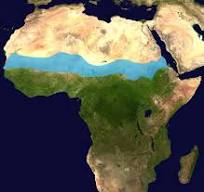
The Sahel region, comprising Burkina Faso, Mali, and Niger, has long been a focal point of geopolitical and security concerns. During the Trump administration, the US State Department officially established commercial diplomacy as the central pillar of its African strategy (AI, 19/06/25). This marked a shift towards integrating economic interests with traditional security-focused approaches, particularly in the fight against jihadism, which continues to threaten stability across the region.
Commercial Diplomacy: A New Pillar of US African Strategy
On June 19, 2025, the US State Department emphasized commercial diplomacy as a cornerstone of its engagement in Africa. For the Sahel, this approach aims to stimulate economic growth by promoting trade partnerships, encouraging American investments, and fostering sustainable development initiatives. Recognizing that economic instability often fuels extremist violence, commercial diplomacy is designed to create jobs, improve infrastructure, and strengthen governance in these vulnerable countries.
This strategy includes initiatives to ease trade barriers, support entrepreneurship, and develop critical sectors such as agriculture, mining, and renewable energy. The goal is to make the Sahel more attractive for private-sector investment, thereby contributing to long-term regional stability.
Ongoing Security Challenges: Combating Jihadism
Despite the economic focus, the fight against jihadism remains a top priority. Burkina Faso, Mali, and Niger face persistent threats from jihadist groups affiliated with al-Qaeda and ISIS, who exploit porous borders and weak state control to carry out attacks. The Trump administration continued to provide military assistance, including training, intelligence sharing, and logistical support to regional forces combating terrorism.
Regional cooperation, particularly through the G5 Sahel Joint Force, received support from the US to enhance coordinated security operations. The administration emphasized that economic progress and security efforts must advance hand-in-hand to achieve sustainable peace.
Diplomatic Engagement and Multilateral Cooperation
US diplomacy actively sought to strengthen ties with regional organizations like the African Union and multilateral partners including the European Union and the United Nations. Through these alliances, the US aimed to support comprehensive programs addressing humanitarian needs, governance reforms, and conflict resolution.
Political stability remains fragile in the Sahel, prompting diplomatic efforts to encourage good governance and institutional reforms, which are critical to creating a secure environment conducive to economic growth and investment.
Economic and Political Challenges
Despite these ambitious goals, several obstacles impede progress. The Sahel suffers from poor infrastructure, political volatility, and corruption, which deter investment and slow development. Additionally, ongoing violence threatens both economic activities and civilian life, complicating diplomatic and commercial efforts.
The US strategy addresses these challenges by promoting transparency, anti-corruption measures, and supporting civil society engagement. Inclusive economic policies aim to ensure that growth benefits a broad segment of the population, reducing grievances that extremist groups exploit.
Looking Forward: The Legacy of the Trump Administration’s Sahel Policy
The Trump administration’s approach to the Sahel reflected an evolving US foreign policy that integrates economic diplomacy with traditional security concerns. This dual strategy seeks to build a foundation for sustainable peace and prosperity in Burkina Faso, Mali, Niger, and the wider region.
Future policies are expected to continue balancing these priorities, fostering partnerships that strengthen regional resilience against extremist threats while expanding economic opportunities.
Related Links and Further Reading
- US State Department Africa Strategy
- Council on Foreign Relations: Violent Extremism in the Sahel
- Internal Link: US Sahel Commercial Diplomacy Initiatives
Table of Contents
Thanks for reading for more news please visit our website