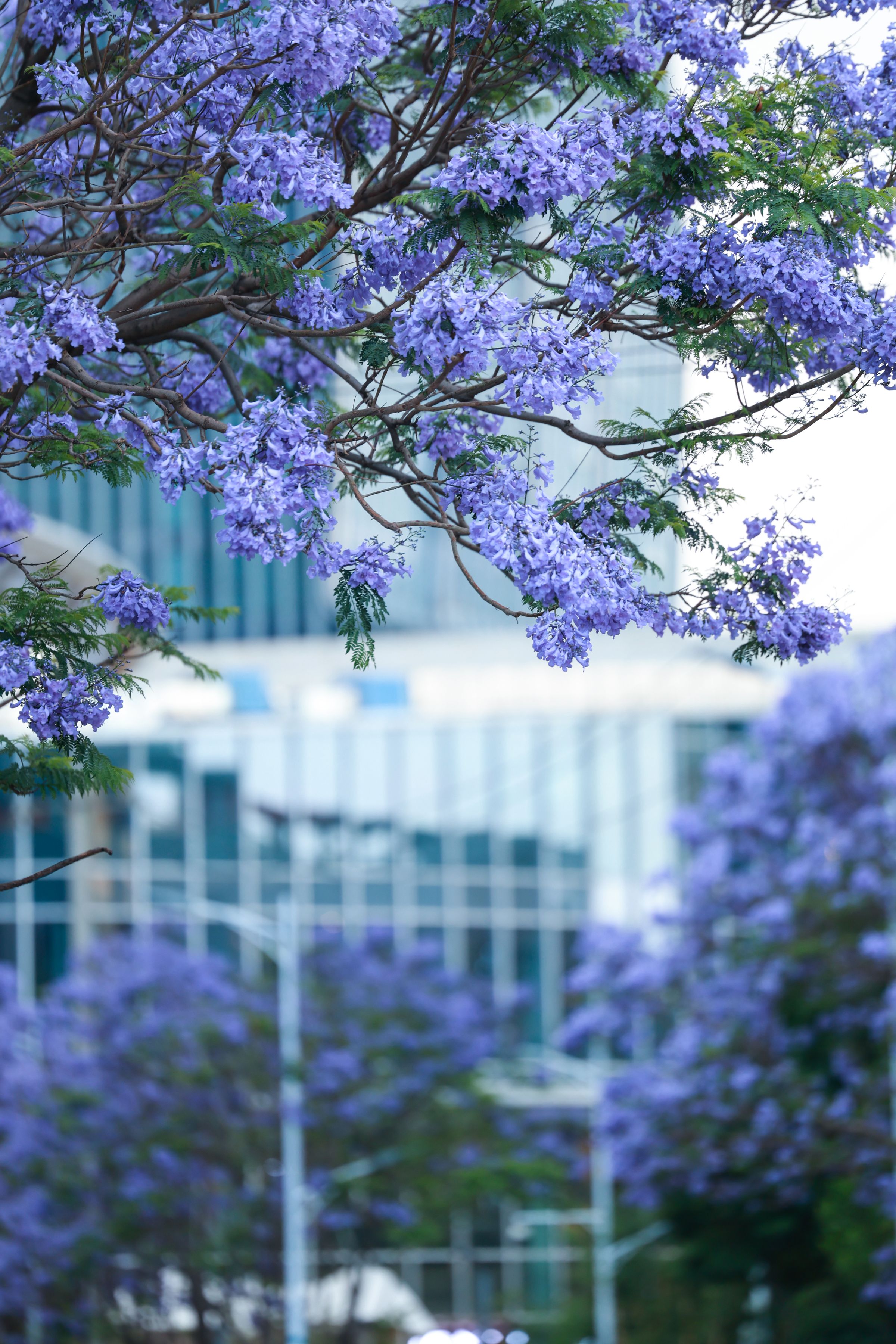
Time Out switched on its Pretoria operation on Wednesday morning, adding the capital to a delivery network that already runs in Cape Town, Johannesburg and Durban. The launch puts a fourth South African city on the platform’s map and extends the global city guide’s local footprint.
The announcement came from Aisha Mohammed, Managing Director of Time Out South Africa, during an interview on Breakfast with Martin Bester on Jacaranda FM. She framed the new city operation as part of a working system designed to move information about food, arts, music, outdoor activities and lifestyle offerings to both local and international audiences.
At the centre of the service is a simple operational model: teams on the ground in each city. Mohammed said the platform relies on editors, experts and cultural connectors who explore different aspects of local life, covering food, music, art, drinks, sport and outdoor activities. Their recommendations are informed by first-hand experiences rather than general information alone. “We like to say we know because we go,” she said. The approach, she explained, is intended to ensure that what the guide publishes reflects the actual experiences available in each city.
The product itself functions as an online guide and social media service, delivering recommendations on restaurants, bars, cultural attractions, outdoor spaces and activities. Mohammed stressed that the information is packaged in short, bite-sized form so audiences can act on it quickly. “We’re very, very, very excited to be in Pretoria. The network of Time Out for us is about making sure we are able to provide the best of our cities to our audiences in a way in which it’s an element of culture, music, art, lifestyle, food, but in a way in which we provide what’s best in short, bite-sized information, so that you can experience your city in the best way you know how.”
In Pretoria, the guide’s coverage draws on what the city already has in place: rooftop venues, restaurants, garden cafés, coffee shops and outdoor spaces for families and visitors. Mohammed noted that the capital’s different neighbourhoods and cultural communities offer opportunities to explore its varied identity. Sport, she added, forms another important part of South African culture, with fan engagement and sporting traditions contributing to the character of local communities.
Beyond serving local users, the launch is positioned as a distribution channel outward. Mohammed said it is an opportunity to highlight South Africa’s cultural diversity and share local experiences with an international audience, arguing that the country’s food, music, art and lifestyle offerings have distinctive characteristics that deserve greater global recognition. “South Africa, more than any other country in the world, has the beauty of diversity,” she said. Being part of a global network, she added, allows the platform to promote South African cities beyond the country’s borders.
Access to the service is straightforward. Residents and visitors can use the guide online and through social media to find recommendations on where to eat, what to do, and which events and experiences to explore over the weekend. Those wanting regular updates can visit TimeOut.com/Pretoria and subscribe to the newsletter, and the platform is also available on Instagram at @timeout.pretoria.
Mohammed said the broader aim of the platform is to help people discover what makes their cities unique, with a strong focus on South African culture and heritage. With Pretoria now live, the network’s South African operations cover four of the country’s major cities. The test, as with any service of this kind, is whether the on-the-ground model of local teams and first-hand recommendations translates into reliable, usable guidance for the people it is built to serve.