More parties; fewer voters
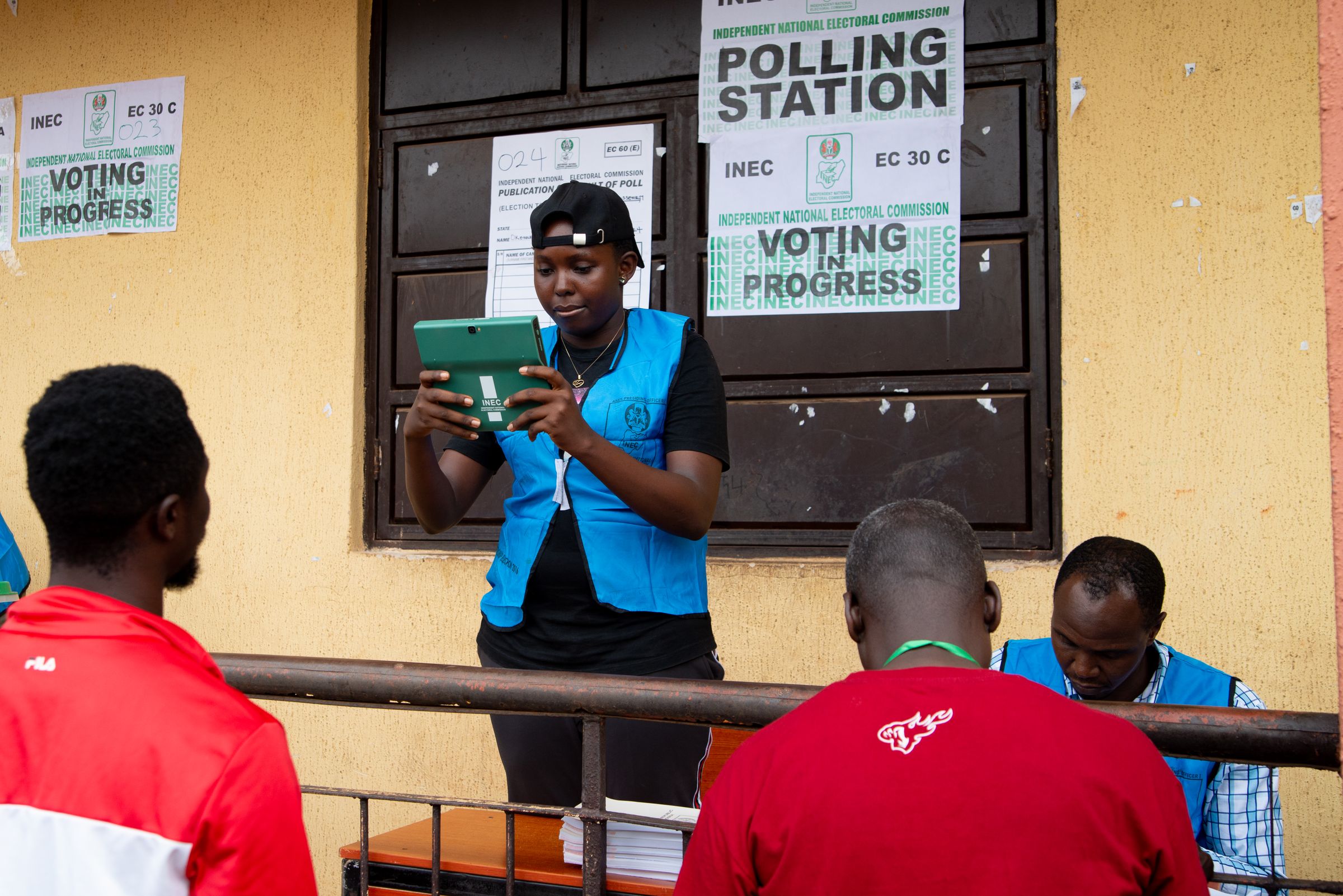
When 547 political parties contested South Africa’s local government elections in 2026, up from 323 in 2021, voters might have expected an election season alive with debate and crowded polling places. Instead, reports from different parts of the country on 4 November 2026 described some voting stations as unusually quiet, even as others experienced long queues. In certain areas, concerns were also raised about voters being moved to different voting districts and difficulties accessing their designated voting stations. The contrast sits at the heart of a question that now confronts South African democracy: does a wider menu of political choice actually serve the public, or has the growth of parties outpaced the public’s confidence in them?
The numbers behind that question are sobering. According to the Electoral Commission of South Africa, the 2021 local government elections recorded a turnout of 45.86% of registered voters, while the 2024 national and provincial elections drew approximately 58.64%. These figures cannot by themselves explain why individual citizens stayed home, and the observations from 2026 cannot establish the final national turnout. But they point to something citizens experience directly: whether the electoral system gives them real access, real choices and real reasons to believe their vote matters.
For ordinary residents, the stakes are most visible at municipal level. After more than three decades of democratic governance, unemployment, poverty, inequality and inadequate service delivery remain significant concerns. Communities depend on municipalities for essential services such as water, electricity, sanitation, waste removal and the maintenance of public infrastructure. Political parties place these issues at the centre of their campaigns, promising improved living conditions and more accountable leadership. Yet when communities continue to face the same difficulties after elections, many begin to question whether their votes have any meaningful influence over the conditions in which they live.
This is why voter abstention should not automatically be read as apathy. Some citizens may have little interest in electoral politics, but others remain engaged with political developments while feeling disconnected from the parties competing for their support. The distinction matters, because disillusionment can take root when people believe their concerns are not adequately represented, or that participation does not produce change. For young people in particular, campaign promises that never become employment opportunities, economic inclusion or improved public services can further weaken confidence in political leadership, widening the gap between what campaigns promise and what communities experience.
The proliferation of parties itself deserves scrutiny from the voter’s standpoint. Parties exist to represent citizens, communicate policy alternatives and compete for the chance to govern. But many campaign around similar issues, including the triple challenges of unemployment, corruption, poverty, and economic growth and poor service delivery. These are legitimate concerns requiring urgent attention, yet the repetition of similar promises does not help voters understand how one party intends to address them differently from another. Smaller and emerging parties must show credible policies, realistic proposals and the organisational capacity to deliver. An alternative political identity alone, without different solutions, adds options to the ballot without improving the quality of the choice. Faced with that, a dissatisfied voter may simply withdraw rather than back a party they do not consider credible.
Meanwhile, the fragmentation of the political landscape also reshapes how residents are governed. The growth of smaller parties has made coalition arrangements a defining feature of local government, particularly in municipalities where no single party wins an outright majority. Coalitions can broaden representation and encourage cooperation, but disagreements over leadership, political appointments and governing priorities can destabilise them. When partners prioritise party interests over the needs of residents, municipal governance can become a theatre of political disputes rather than effective service delivery. Accountability suffers too: when coalition governments fail, parties may shift blame to their partners, leaving residents unsure who should answer for poor services. Communities do not elect parties to secure council positions; they expect representatives to oversee administration, address local challenges and improve living conditions.
Practical barriers to voting must also be separated from political disengagement. Quiet voting stations in some communities should be considered alongside concerns about voter movement between voting districts, access challenges and election administration. It would be inaccurate to attribute every instance of low voter activity to dissatisfaction. Still, these developments reinforce the responsibility of the Electoral Commission and political parties to ensure citizens can exercise their constitutional right to vote without unnecessary obstacles.
Restoring public confidence, moreover, cannot be achieved through campaigns alone. It requires consistent engagement and visible accountability between elections. Parties should move beyond ambitious promises unsupported by realistic plans, offering manifestos with clear priorities, practical interventions and measurable commitments citizens can use to judge performance. Elected representatives should provide regular feedback on progress, through public accountability meetings, ward-level consultations and accessible reports on municipal performance. Communities are not simply constituencies to be mobilised at election time; they are active participants in democratic governance whose experiences should inform decision-making. This is especially true for young people, whose expectations extend beyond voting to genuine participation in discussions about employment, education, economic development and basic services.
South Africa does not necessarily need fewer political parties. Its multiparty democracy should keep creating space for competition, diverse representation and new ideas. But the growing number of parties must amount to more than crowded ballot papers and competing promises. The decline in voter participation should serve as a warning that political competition alone cannot sustain public confidence. For democracy to remain meaningful, citizens must believe their participation matters and that those elected hold a responsibility to improve their lives. Parties should move beyond campaigning for communities and begin campaigning with them. Political representation should not end when the votes are counted; it should be demonstrated through responsible leadership, meaningful engagement and the delivery of promises made to the people.
Reoratile Mputle is a master’s student at the University of Johannesburg. The views expressed here are those of the author and should not be attributed to the university or the publisher.