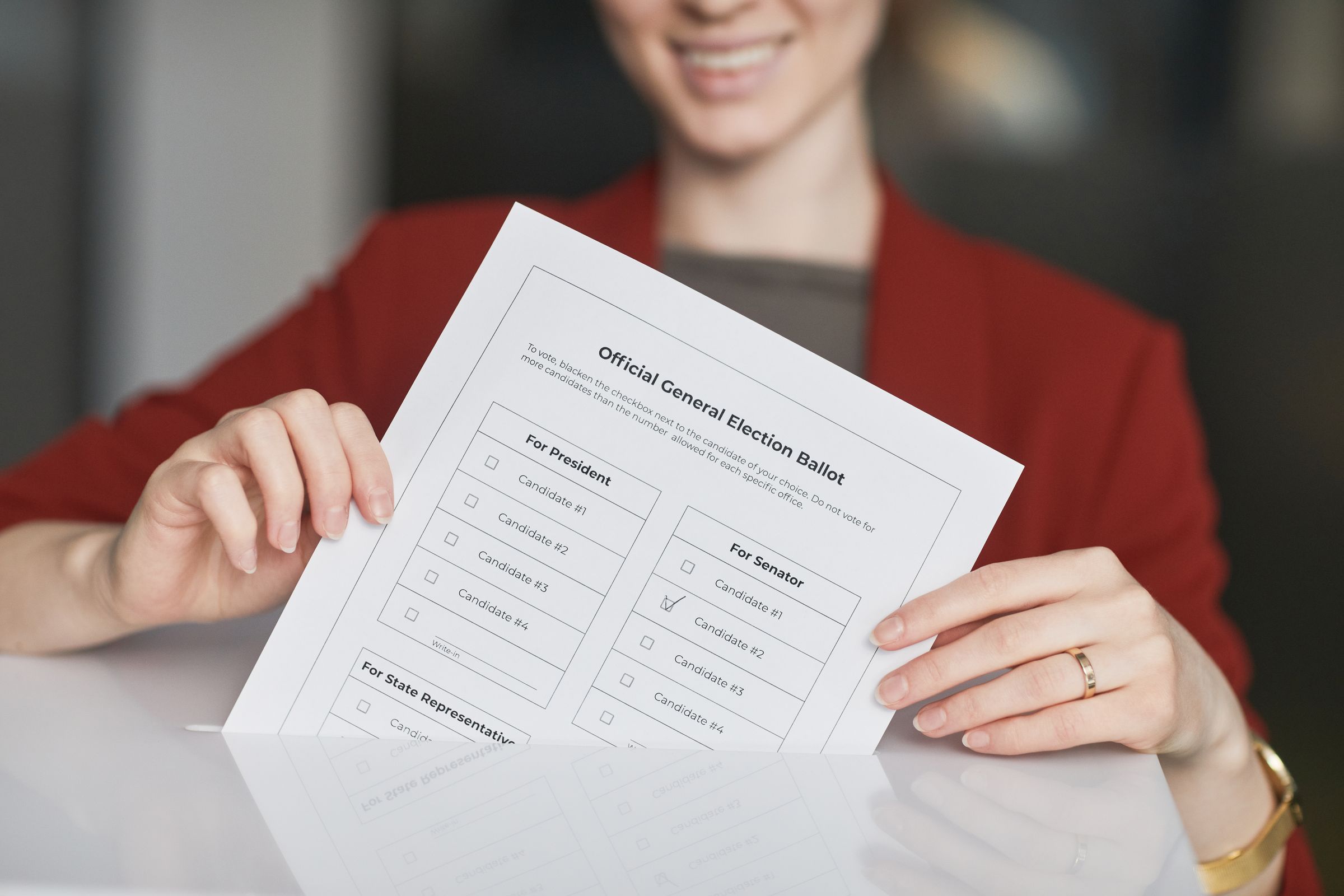
South Africans did their part on 4 November. Turnout rose to about 52%, up from 46% in 2021, and citizens waited for results published ward by ward at the National Results Operations Centre, visible to the world. On 8 November the Electoral Commission declared the elections free and fair. No street protests, no internet shutdown, no violence, no disputed outcome. For the residents who depend on these elections to deliver water, electricity and jobs, the process itself was a reassurance: the machinery of democracy worked.
What happened next is where the public’s stake comes into question. With nearly 140 councils left hung and parties given 14 days from the declaration to form governments, the bargaining that followed was conducted in the language of power brokers: cards, kingmakers, red lines, personal grudges. The electorate had spoken in sentences about services. The politicians, it seems, heard something else. The negotiations are about their interests, not the electorate’s, and about which mayoral post or municipal portfolio they can grab and run with.
By contrast, the institutions held firm. The Independent Electoral Commission has now run two contested cycles in which the governing party’s dominance collapsed, and it has delivered results that losers grumble about but cannot overturn. With 546 political parties contesting this election, the referee kept the trust of the field. Parties lodged 197 objections; the IEC investigated them in the open, ordered recounts in five wards and finalised them before declaring the results. The courts remain open and unbullied. Whatever one thinks of the outcome, the process was handled with credibility, a record many democracies far older than South Africa’s would envy.
The players are another story, and residents are the ones who pay the price when they fall short. ActionSA, now the kingmaker in all three Gauteng metros, made keeping its own Tshwane mayor, Nasiphi Moya, a condition of any deal, warning that without it there was no point in talking. It also refused to negotiate with the DA if Helen Zille, the DA’s Johannesburg mayoral candidate, remained at the table, citing a long-running personal grievance between her and ActionSA’s founder, Herman Mashaba. A decision about who governs Johannesburg’s R97 billion budget is being framed around a feud between individuals.
The ANC’s response to what its own leadership called a “catastrophic” result was not humility. Its secretary-general, Fikile Mbalula, declared that the party “will not beg for mayorship”. Days later, reports emerged that its national executive would consider ending the national coalition with the DA, with some members blaming the partnership for lost votes. That debate is tangled up with the contest to choose the party’s next leader in 2027. A party that fell to about 31% is weighing the stability of the national government against its own succession politics. The same instinct shaped its campaign: it promised to headhunt capable mayors and name them before polling day, then dropped the plan about two weeks before the vote for fear of deepening internal divisions. Voters in eight metros were asked to choose a party without knowing who it wanted to run their city.
The pattern is not confined to one side. The EFF’s leadership has called the DA “the enemy”, closing the door before a single conversation about service delivery had begun. MK says it will only talk to parties that are “ideologically aligned” with it. Inside the Government of National Unity, the DA voted against the 2025 fiscal framework its own coalition had tabled; the budget passed by 194 votes to 182 only because parties outside the GNU stepped in. Together these moves describe a political class that treats coalition as a contest for advantage rather than a shared duty to govern.
Residents already know where this leads. Johannesburg has had eight people in the mayor’s office since 2016, two of them twice, and five mayors in just 18 months to May 2023. The 2026 Mistra Coalitions Barometer names Johannesburg, alongside Karoo Hoogland, as the most turbulent municipality of the post-2021 era, with six administrations in a single term. Tshwane came close to collapse again in August, three months before the election. Each collapse resets the city: programmes stop halfway, senior managers take instructions from a new set of politicians, and budgets become bargaining chips. In Johannesburg, the incumbent mayor, his deputy and a senior committee member all lost their seats.
There is a fair counter-argument. Hard bargaining is normal in coalition democracies, and the same Mistra study found no statistically reliable link between coalition collapses and municipal audit outcomes. But the test is not whether parties bargain; it is what they bargain over. A demand for a written programme, a public agreement and a service-delivery scorecard is maturity. A demand that a rival leave the room is not. What would grown-up politics look like in the next 14 days? Coalition agreements published in full, mayors chosen for competence and protected for a full term unless they break the agreement, disputes settled through agreed mechanisms rather than motions of no confidence timed for headlines, and leaders who accept that 31%, 25% or 6% of the vote is a mandate to share power, not to dictate terms.
The voters have done their part, in greater numbers than before. The only actors who have not yet grown into this democracy are the ones asking to run it. They should catch up before voters decide that the game itself is not worth playing.
Dr Tendai Shephard Mbanje is a regional governance and elections expert and a postdoctoral fellow in the College of Law at the University of South Africa (UNISA). He served as Deputy Head of Mission of the UNISA Election Observation Mission to South Africa’s 2026 Local Government Elections. He writes in his personal capacity.