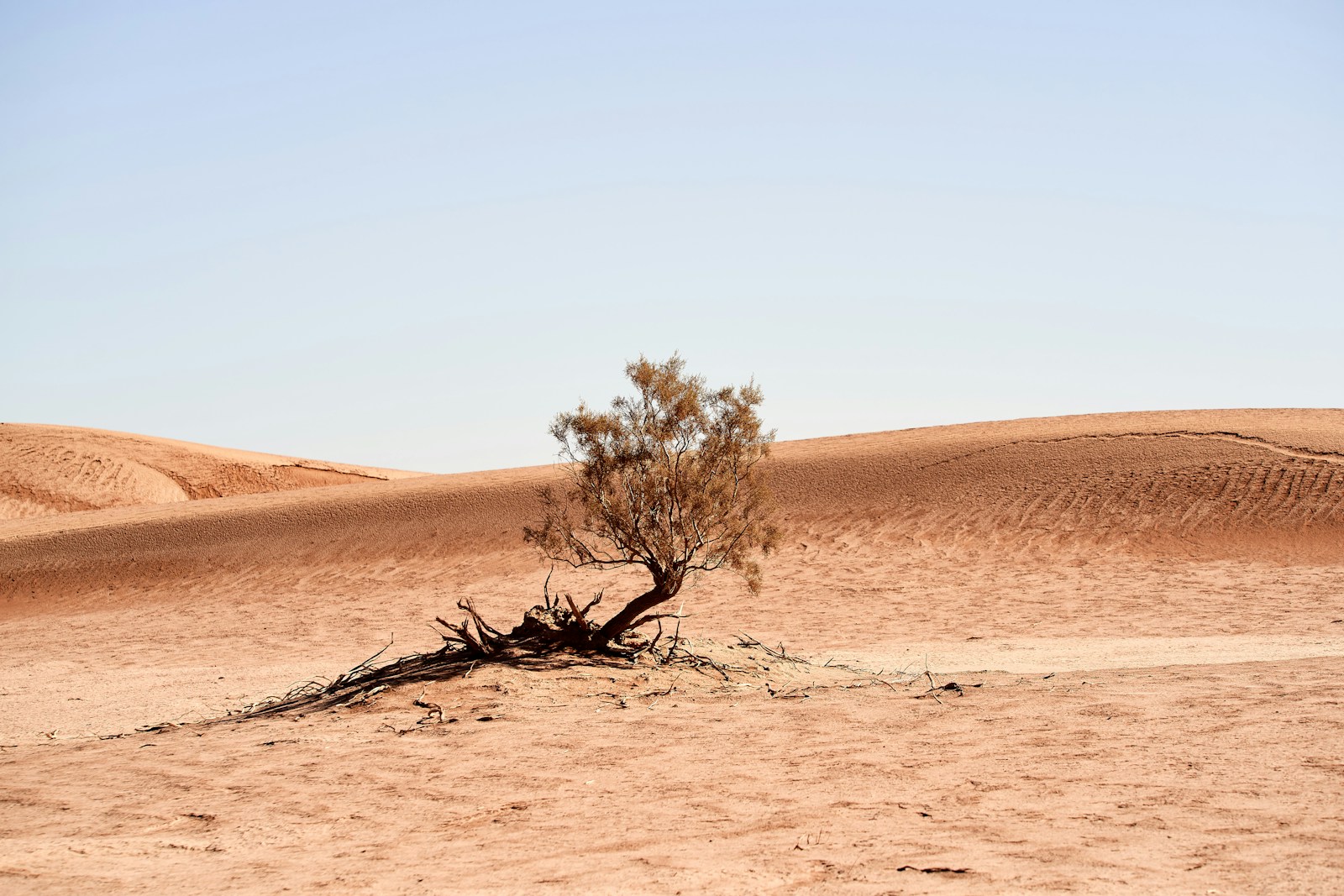
Climate change is worsening Africa's debt: solutions through conditional debt contracts
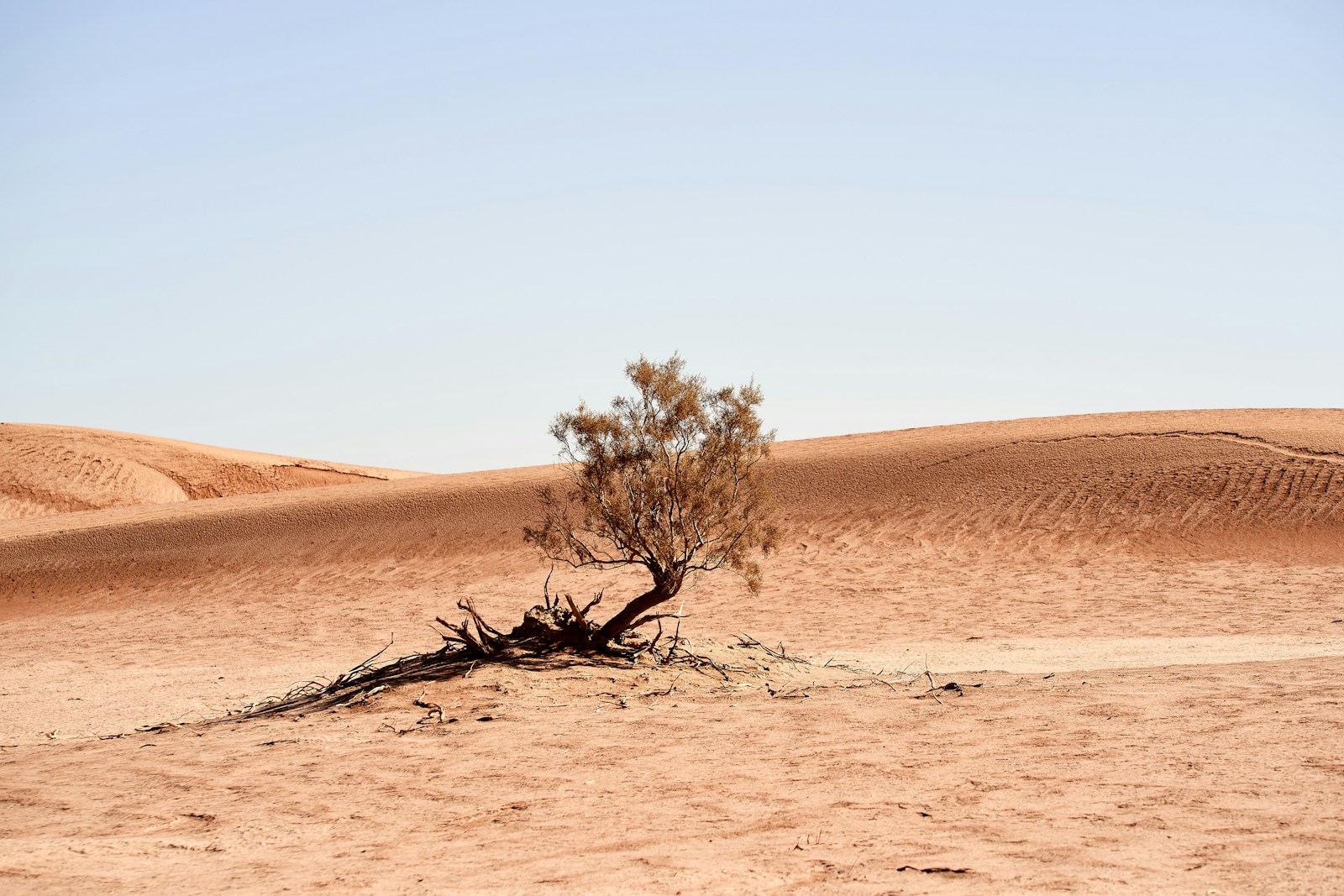
Climate change is worsening Africa's debt burden: how new debt instruments could offer a solution
Climate change and debt in Africa: towards innovative contracts for a sustainable future
Climate change and debt in Africa: towards innovative contracts for a sustainable future
Many African states face a double squeeze: rising debt and the devastating impacts of climate change. Although the continent contributes little to global greenhouse gas emissions, it bears the brunt of extreme weather events—prolonged droughts, devastating floods and rising temperatures—that are seriously undermining local and national economies.
This situation directly affects African countries' ability to meet their financial obligations. Natural disasters slow economic output, shrink government revenues and increase spending needed to rebuild destroyed infrastructure, leaving states with less financial room to manoeuvre. Yet current debt repayment mechanisms typically ignore these climate shocks, making the crisis worse.
The growing link between sovereign debt and climate crisis
Public debt in sub-Saharan Africa reached alarming levels, approaching $1,150 billion in 2023. An increasing share of repayments go to private creditors, putting heavy pressure on national budgets. For some governments, debt service now consumes more resources than vital sectors like education or access to clean water.
Against this backdrop, the relationship between sovereign debt and climate shocks has become a major concern. Countries must balance financial obligations against urgent needs for climate resilience, creating a difficult tension that hampers sustainable development.
Conditional debt instruments: a promising path
To tackle this problem, an innovative solution is gaining attention: conditional sovereign debt instruments. These financial mechanisms, often backed by development banks or climate finance providers, are designed to adjust automatically when pre-defined events occur, such as a drop in gross domestic product (GDP) or a natural disaster. They allow temporary changes to debt repayment terms when a country faces a major economic or climate shock.
In practice, when an extreme event affects a country's ability to repay, these instruments can suspend, reduce or defer debt payments. This creates valuable financial space to focus resources on rebuilding, protecting people and pursuing ecological transition, rather than immediately paying creditors.
Real examples already exist: Jamaica has issued catastrophe bonds that suspend repayments during hurricanes, while Rwanda has developed bonds linked to its climate sustainability goals, mobilising private capital for climate action. Some contracts are also indexed to GDP, reducing payments when the national economy shrinks.
Implementation challenges
However, these instruments come with difficulties. Legal complexity and precisely defining trigger events often cause problems, leading to disputes between borrowing countries and lenders. Moreover, the premiums charged by funders can be prohibitively high, limiting adoption of these contracts.
Additionally, the low credit ratings of many African countries discourage some investors and complicate the issuance of such instruments. Economic diversity, particularly the large informal sector, also makes it hard to reliably measure key indicators like GDP, which are essential for automatically triggering contract clauses.
South Africa's strategic role and the G20
As G20 president, South Africa holds a strategic position to defend the continent's interests and push for reform of the international financial system. Establishing a multilateral framework for restructuring sovereign debt, involving all creditors and debtors, appears key to ensuring rapid and fair restructuring.
This framework should prevent countries from borrowing so heavily that they cannot invest in climate protection. The G20's African experts group plays an essential role in coordinating efforts to improve access to financing that is affordable, suitable and aligned with sustainable development priorities.
At the same time, South Africa must work with the African Union to present a unified position at major international conferences, such as COP30 and the Conference on Financing for Development. This integrated approach will help better align debt management, development and climate action policies.
Recommendations for a more resilient future
To make conditional debt instruments work better, several conditions must be met. First, their design must be transparent, fair and suited to the specific realities of the countries involved. The rules triggering repayment adjustments must be clear, easy to apply and aligned with national development and climate adaptation plans.
Second, it is essential to invest in strengthening the technical and legal capacity of African governments, drawing on expertise from multilateral institutions such as the World Bank or the African Development Bank. This support will help countries manage and implement these complex financial tools.
Finally, a deep reform of international debt systems is needed to make them fairer, more transparent and more responsive to climate challenges. Africa, like other regions in the Global South, should not bear the weight of a climate crisis it did not cause but suffers most severely from.
Conclusion
Climate change is worsening Africa's debt crisis, threatening the continent's economic and social stability. In response, the emergence of innovative financial instruments such as conditional debt contracts offers a promising path to give African countries more room to handle climate and economic shocks. Yet their success will depend on rigorous design, stronger technical support and ambitious multilateral reform.
Africa's G20 presidency represents a historic opportunity to reshape the rules of global finance, placing climate justice and debt sustainability at the heart of international negotiations. Only an integrated and solidarity-based approach will build a future where Africa can not only face climate challenges but also prosper sustainably for generations to come.
To explore this topic further, read our analysis on the impact of climate change on sovereign debt in Africa and consult G20 recommendations for more equitable global financial governance.
To delve deeper into this issue, read our detailed article on the impact of climate change on Africa's debt, where we explore the economic and environmental challenges in greater detail.